


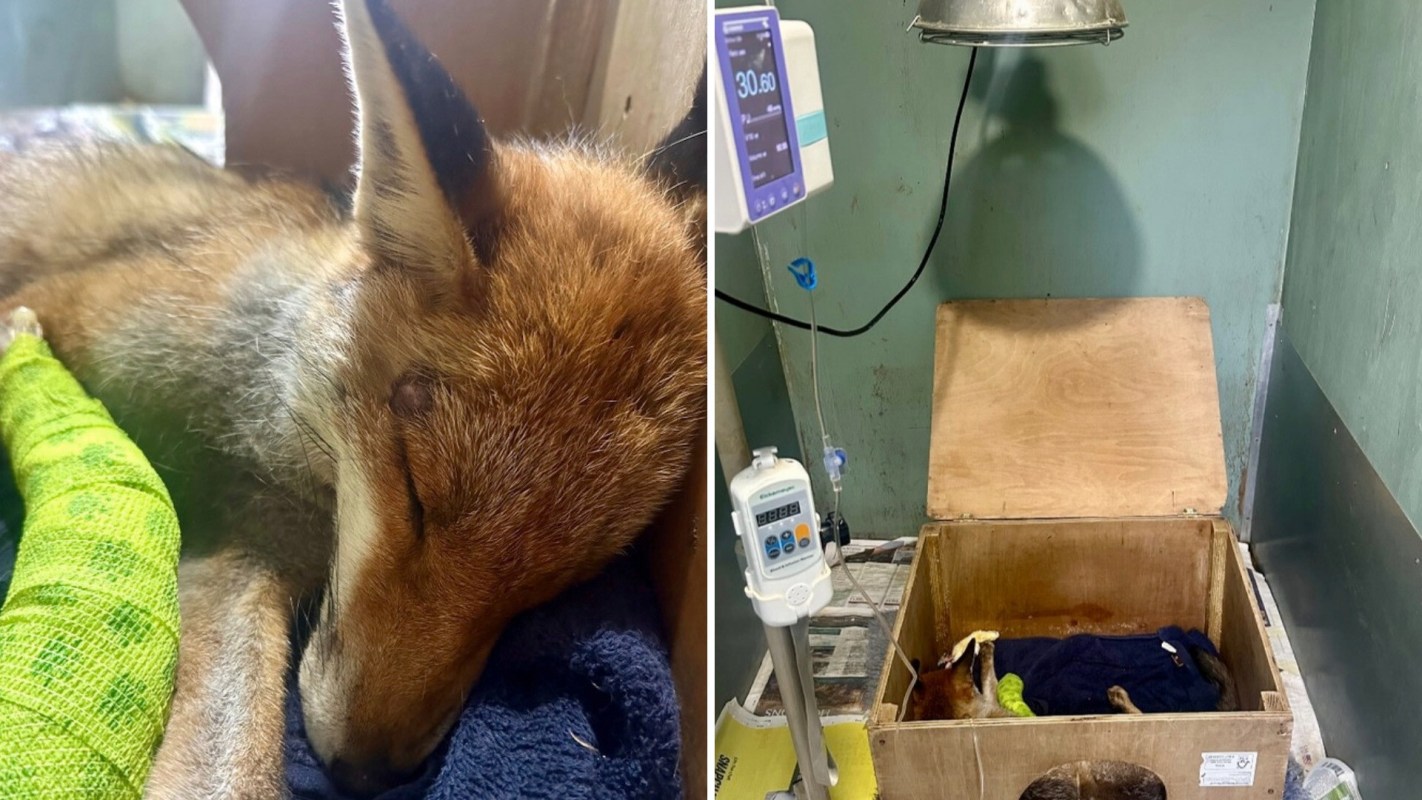
The story of a fox that ended up in emergency veterinary care during a heat wave is drawing attention online.
After being found collapsed, badly dehydrated, and barely able to move, the rescue team that saved him, the Wildlife Aid Foundation, shared his story and photos on Instagram.
What happened?
The WAF shared several images of the distressed fox. The photographs then capture the ailing fox through his early recovery in a cool enclosure.
As the rescue organization explained, "This poor little fox was found collapsed in the scorching heat, suffering from severe heat exhaustion and dangerously dehydrated. He was so weak he could barely move."
The WAF went on to say, "He was rushed to our dedicated veterinary team… where it quickly became clear just how critical his condition was." At the hospital, staff said the fox required life-saving fluids and immediate cooling to survive.
Why does it matter?
Extreme heat does not just affect people. These photos also show how quickly extreme heat can push wild animals into life-threatening situations.
TCD Picks » Quince Spotlight
💡These best-sellers from Quince deliver affordable, sustainable luxury for all




Wild animals can struggle to find shade, water, and safe places to recover when temperatures spike, especially in built-up areas where pavement and buildings trap heat.
For animals like foxes, heat stress can become dangerous quickly. By the time a wild animal is visibly collapsed, weak, or unable to move normally, the situation may already be critical, making fast intervention especially important.
During hot spells, people are more likely to come across birds, mammals, and other wildlife showing signs of dehydration or exhaustion in gardens, along roadsides, and in parks.
Providing water and shade can make a difference for nearby wildlife, but the greatest burden to protect dehydrated animals still falls on trained rehabilitation teams.
What's being done?
This fox was lucky to be under the care of the WAF's veterinary staff.
WAF reported that "this brave little fighter is now recovering safely… and is already showing encouraging signs of improvement. He's not out of the woods just yet, but every day he's growing a little stronger."
This kind of professional care is often the difference between life and death for animals suffering from heat exhaustion.
If you're interested in helping wildlife, leaving shallow dishes of fresh water in shaded areas can help during hot periods, and checking outdoor spaces for animals in distress can lead to faster rescue efforts.

Get TCD's free newsletters for easy tips, smart advice, and a chance to earn $5,000 toward home upgrades. To see more stories like this one, change your Google preferences here.







