


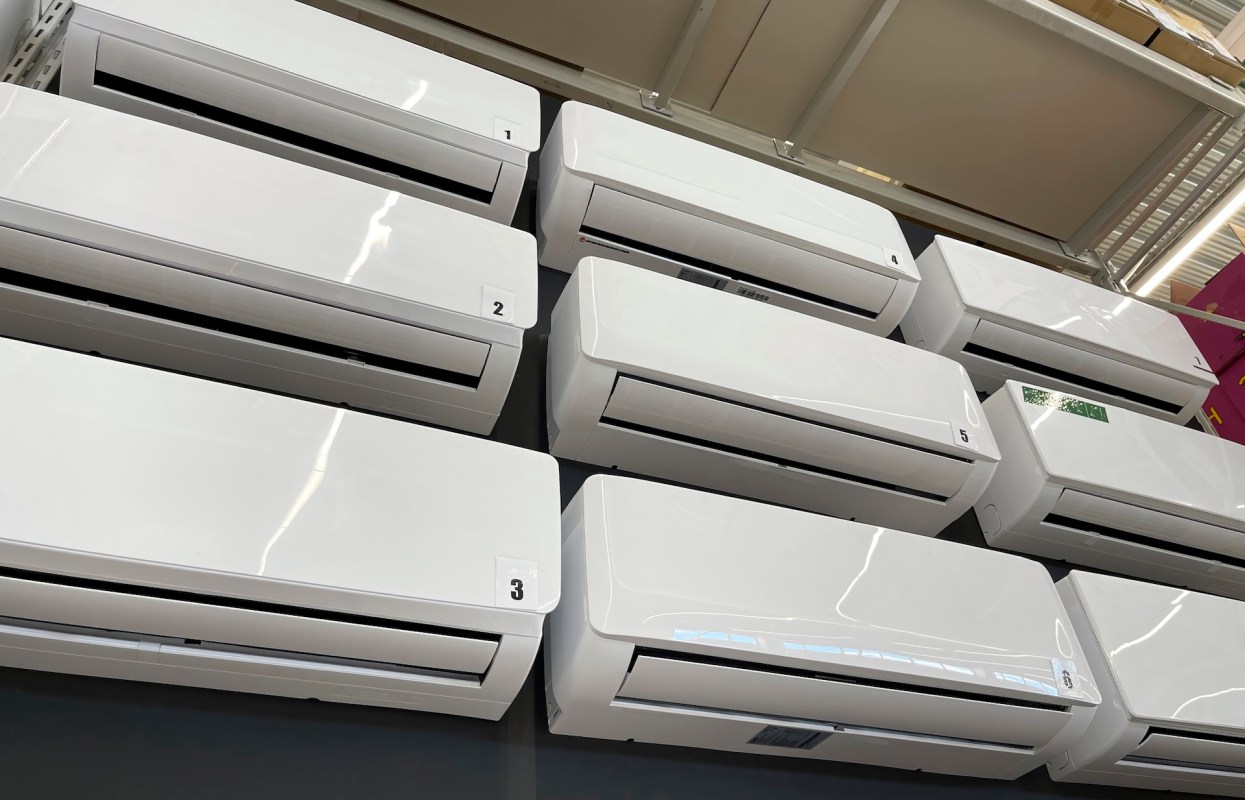
A Rhode Island homeowner trying to electrify an 1880 three-family house ran into a common problem: four mini-split quotes, but no clear consensus on system size. For the 1,460-square-foot first-floor apartment, three proposals came in at 36,000 BTU or below, while another contractor argued that 40,000 BTU was necessary, according to the Reddit post.
What's happening?
In a post on r/heatpumps on Reddit, the homeowner described a first-floor apartment with 11-foot ceilings in a house where ductwork is not a realistic option. The space is decently insulated except for older windows, and the two remaining bids were a $18,900 Daikin system with five heads at 40,000 BTU and a $19,500 LG system with four heads at 36,000 BTU.
That left the homeowner weighing contradictory advice. "The advisor with the state rebate program I'm using told me I don't want larger than 36 BTU or the system will be oversized," they wrote, but "Company 1 is insistent it must be 40k BTU or I'll be unhappy."
They also questioned whether the equipment brand should influence the decision: "I'm concerned about using LG equipment. Should I find someone to install mitsubishi or does the brand not matter that much?"
Users shared their thoughts on which brand might be the superior choice. One said they'd "definitely pick Daikin or Mitsubishi Electric over LG," while another advised using Daikin, adding that "at that size, I honestly don't think a 4k BTU difference will really matter."
Heat pumps are significantly more energy-efficient than traditional HVAC systems because they move heat rather than generate it, and they can handle both heating and cooling in a single system. That can translate into lower monthly utility bills, plus tax credits, rebates, and long-term savings for homeowners who choose the right setup; tools such as EnergySage's Heat Pump Marketplace can help people compare options more easily.
For homeowners who only need targeted comfort in one area, Merino offers single-room, ultra-efficient HVAC systems at a lower price point. The company markets them as a focused heating-and-cooling option that can be installed in under an hour.
Why does it matter?
An oversized mini-split typically costs more to install and may turn on and off more frequently, which can reduce comfort and dehumidification — an especially important concern during a humid Rhode Island summer.
Crushed by your bills? See instant solar savings from vetted installers in just a few clicks With energy prices through the roof, there's never been a better time to go solar — and EasyHome can help you find the best prices from the best installers in your area. EasyHome takes the guesswork and headaches out of energy upgrades by showing you estimated savings from a network of vetted local partners. To get started, just enter your ZIP and share a few details about your home — seeing your estimate is really that easy. |

An undersized system will struggle to keep up during cold snaps or heat waves, leaving people uncomfortable and more likely to rely on backup heating or window AC units. That can mean higher bills and less of the all-in-one convenience that makes heat pumps so appealing.
Ensuring that more people can make the switch to efficient heat pump systems is also important, as in Massachusetts, where government programs help low-income households access free or low-cost solar panels and heat pumps, cutting average energy bills by about $150 a month.
Equipment quality matters, but proper sizing, thoughtful head placement, and careful installation can make just as much difference as the brand name.
What can I do?
If you receive quotes and BTU values that vary widely, it's advisable to ask each installer for the load calculation behind the recommendation. Homeowners can also compare how many indoor heads are being proposed, what temperatures the system is rated for, what rebates apply, and whether the contractor has experience working with older homes and high ceilings.
Ask specifically how the system will manage humidity, since comfort is not only about reaching a target temperature. A slightly smaller, properly designed unit may outperform a larger one that short-cycles.
For people looking to pair home electrification with even lower energy bills, EnergySage also offers a free solar quotes comparison tool. With EnergySage's help, the average person can get incentives for solar purchases and installations.
And if you're still early in the heat-pump shopping process, it may be worth revisiting EnergySage's Heat Pump Marketplace to compare options before locking in a contractor.
In the end, commenters emphasized factors like proper sizing, installation quality, and ensuring their installer doesn't install an oversized system, which may matter more than any particular brand's reputation.

Get TCD's free newsletters for easy tips, smart advice, and a chance to earn $5,000 toward home upgrades. To see more stories like this one, change your Google preferences here.






