


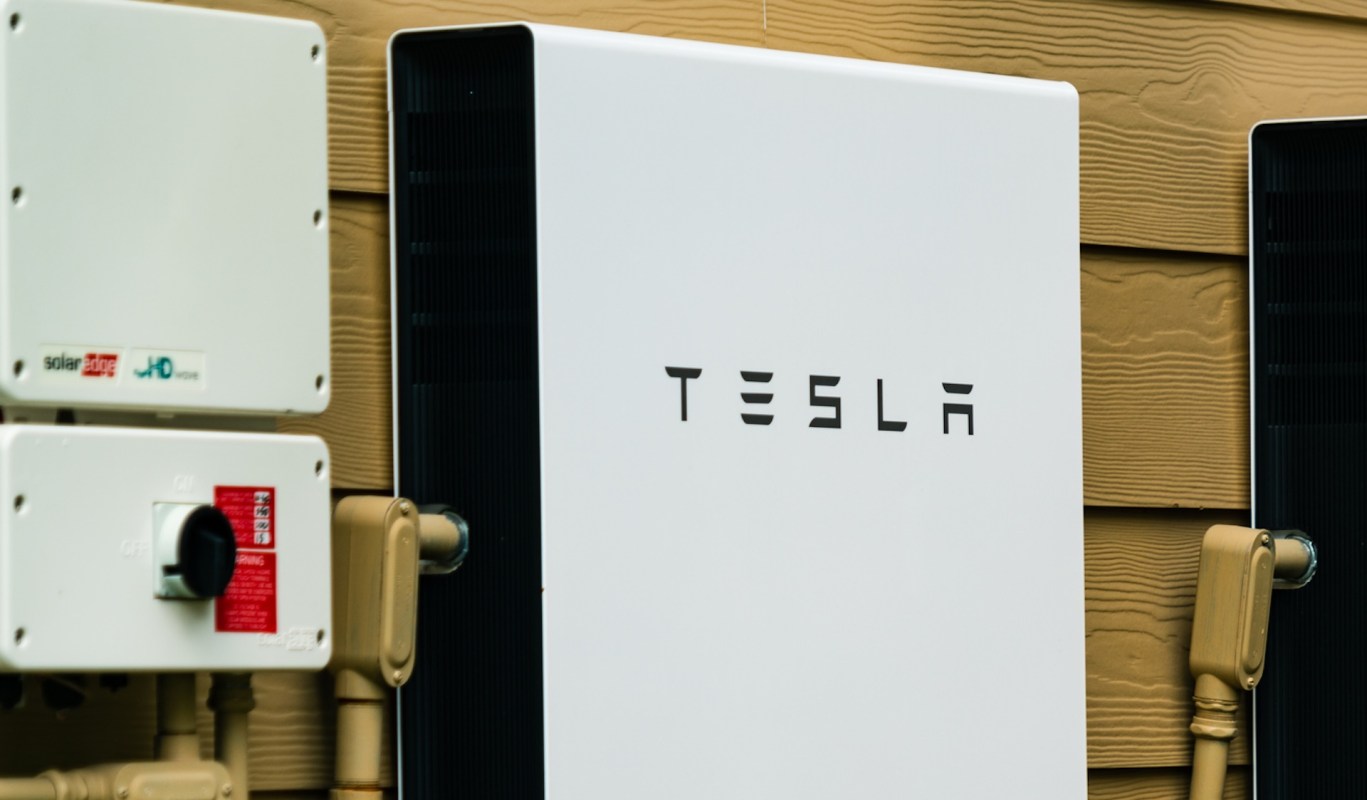
A California homeowner thought a Powerwall would automatically sell stored electricity back to the grid when evening rates spiked above $0.40 per kilowatt-hour. Instead, the battery kept most of its charge.
That small mystery points to a bigger lesson for anyone trying to cut utility costs under PG&E's NEM 3.0 rules: The most profitable move is not always exporting power.
What's happening?
In a Reddit post, a Northern California homeowner who said they were new to using a Powerwall 3 asked why it had not started exporting electricity during costly evening hours.
The original poster wrote, "I'd figured the PW would decide to discharge itself to make some money given it can re-charge in the morning just fine."
With the home still unfinished, evening electricity use has stayed minimal. Even so, the post said that July export prices had risen above $0.40 per kilowatt-hour, that PG&E's peak import pricing was about $0.58, and that the system was set to "ToU/Savings" with "export everything" turned on.
According to commenters, the Powerwall's savings algorithm compares export rates to the value of stored energy for self-consumption, so the battery may keep that electricity rather than export it.
In other words, saving that power to avoid a later purchase at about $0.58 can be worth more than selling it for $0.40.
If you're weighing your own setup, it may be worth exploring EnergySage's free tools to get information about home battery storage options, including competitive installation estimates. EnergySage has teamed up with the electrification brand Qmerit to guarantee you get the best price on home battery storage solutions.
Save $10,000 on solar panels without even sharing your phone number Want to go solar but not sure who to trust? EnergySage has your back with free and transparent quotes from fully vetted providers in your area. To get started, just answer a few questions about your home — no phone number required. Within a day or two, EnergySage will email you the best options for your needs, and their expert advisers can help you compare quotes and pick a winner. Solar panels can save you more than $50k over their 25-year lifespan, and EnergySage can help you save as much as $10k on installation. Which begs the question — isn't that worth an email or two? |

Why does it matter?
Selling stored energy at $0.40 per kilowatt-hour would bring in less than using that same energy to avoid buying power later at about $0.58 per kilowatt-hour.
That means a battery may save more money by covering your own evening use than by exporting to the grid, even when export rates look attractive at first glance.
Adding battery storage is one of the best ways to protect your home during outages, save money on energy costs, and go off-grid if and when necessary. Paired with solar, a battery can keep essentials running, shift cheap or self-generated electricity into expensive hours, and reduce the amount of power you need to buy from the utility.
What can I do?
If you are shopping for backup power, comparing installation quotes is a smart place to start.
A battery can be especially valuable in places with time-of-use billing, frequent outages, or lower solar export compensation because it gives you more control over when you use electricity.
For people who do not need a full-home system, Pila offers excellent battery backup options. Its plug-and-play batteries are priced at a fraction of the cost of a whole-home backup system, making them a more accessible entry point for many households.
If your home uses very little electricity during expensive evening periods, the battery may be following its programming exactly as intended: preserving stored power for the moment when it is most valuable.
"I haven't seen it happen yet," the OP wrote, before asking, "Will it only discharge to grid when the export rates are significantly higher than peak rates which are about $0.58?"

Get TCD's free newsletters for easy tips, smart advice, and a chance to earn $5,000 toward home upgrades. To see more stories like this one, change your Google preferences here.






