


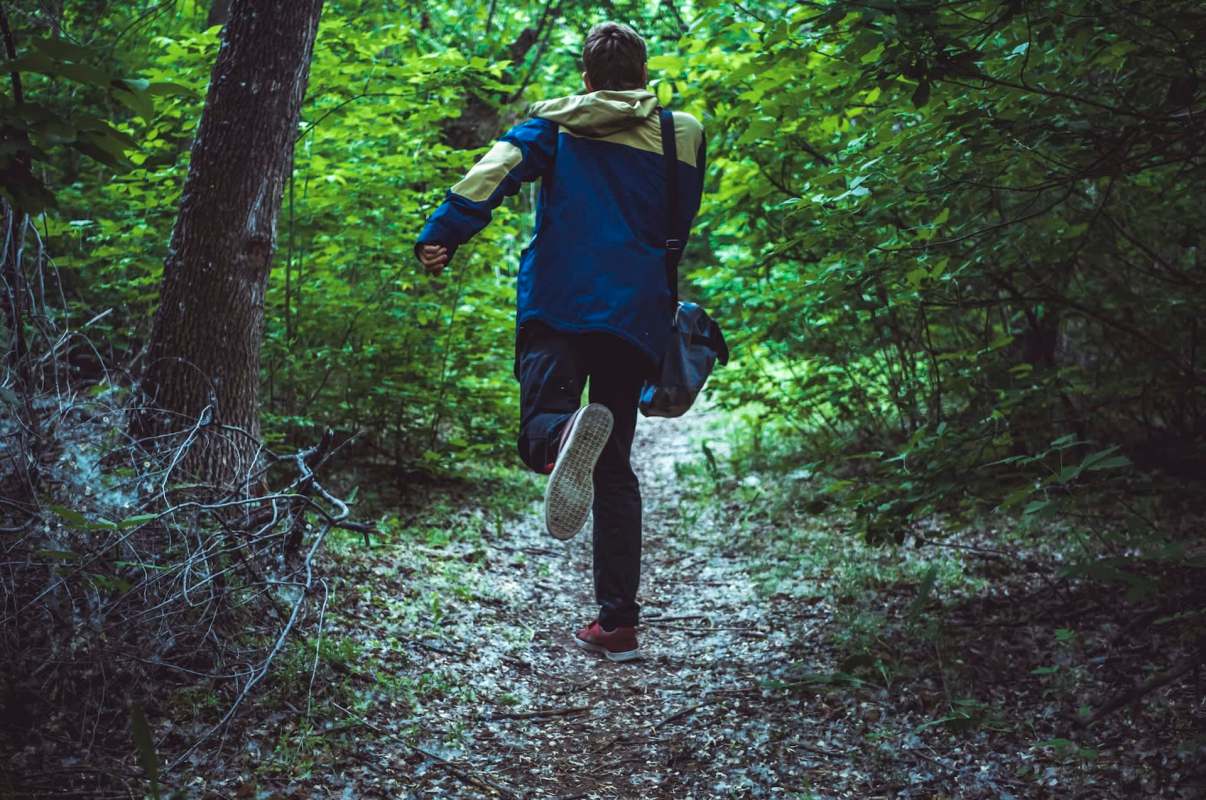
A holiday weekend hike in the Adirondacks took a frightening turn when two 17-year-olds ran from a bear on Buck Mountain and ended up stranded in the woods overnight.
As the Rochester Democrat and Chronicle reported, the teens found shelter in a hunter's camp, where they waited until forest rangers reached them and escorted them out the next morning.
What happened?
Citing a New York State Department of Environmental Conservation report, the paper said rangers got the call just after midnight July 5. The pair said they had climbed Buck Mountain in Washington County near Lake George, encountered a bear and could not make it back to the trailhead, according to the Democrat and Chronicle.
Rangers were told the hikers bolted after noticing the bear. They found a hunter's camp and stayed in the mud room while waiting for assistance, per the Democrat and Chronicle.
The paper added that according to the DEC, the rescue was over by 9:20 a.m., after rangers found the duo and guided them out of the woods.
"The agency did not say whether the hikers were injured or provide additional details about the bear encounter," the newspaper stated, adding that Buck Mountain is a popular Adirondack trail known for panoramic summit views of Lake George.
TCD Picks » Quince Spotlight
💡These best-sellers from Quince deliver affordable, sustainable luxury for all




Why does it matter?
Black bears live throughout the Adirondacks, though the DEC says encounters with them usually stay uneventful. Trouble can escalate when hikers panic and run or when darkness on a mountain turns a wildlife sighting into an emergency.
Heavy trail use, expanding outdoor recreation, and food or scented items can make bears more accustomed to human presence.
Researchers have long observed that conflict often increases when people move deeper into wildlife habitat or reward animals for approaching campsites, roads, and communities, as the BBC notes.
The more often wild animals associate people with food, the harder it becomes to keep both humans and wildlife safe.
What can I do?
Preparation can make a difference. Before heading out, check trail conditions; tell someone your route; carry a fully charged phone or backup battery; and bring layers, light, water, and emergency supplies in case a short hike unexpectedly turns into an overnight situation.
Seeing a bear is a moment to slow down, not run. Experts recommend staying calm, giving the animal space and backing away gradually. Keeping your distance is especially important if the bear is feeding, traveling with cubs, or focused on nearby food.
Packing out trash, securing snacks and scented items, and never feeding animals can reduce the likelihood that bears link people with easy meals.
Popular mountains such as Buck Mountain may feel familiar and accessible, but they are still wild places.

Get TCD's free newsletters for easy tips, smart advice, and a chance to earn $5,000 toward home upgrades. To see more stories like this one, change your Google preferences here.







