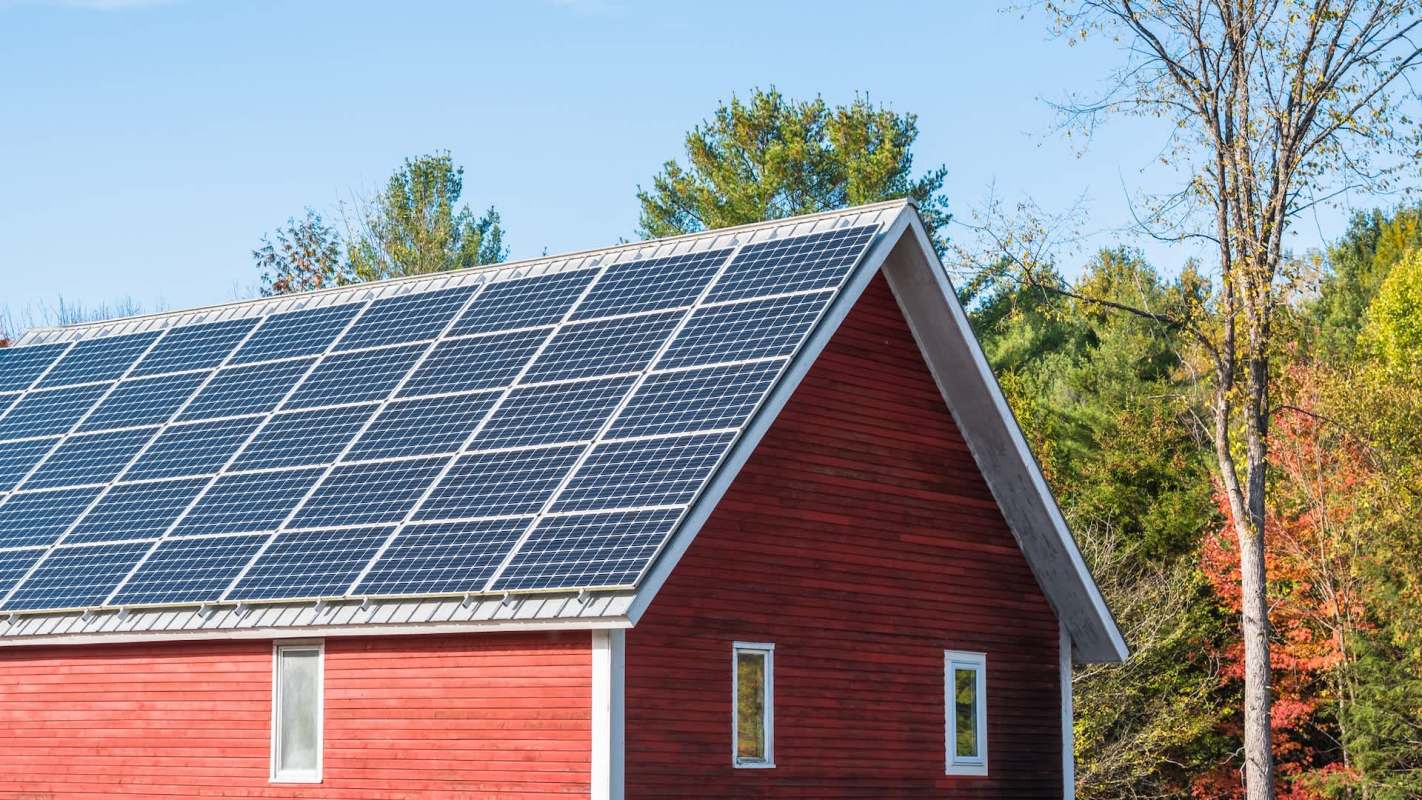
As temperatures surged in early July, solar panels on New England rooftops were supporting more than the buildings beneath them.
While homes and businesses used that power locally, the systems also took some of the burden off the regional grid as air-conditioning demand climbed.
Analysis connected rooftop solar to at least $130 million in reduced wholesale energy costs for electric customers during the weeklong hot spell.
What happened?
According to Maine Public, rooftop solar across New England cut how much electricity the region needed from its power system during the extreme heat between June 28 and July 4.
Jamie Dickerson of the Acadia Center, who oversees climate and clean energy programs, said the savings resulted from rooftop systems reducing the amount of power the regional grid had to provide.
The effect was strongest during the hottest hours of the day. At certain points, the Acadia Center found, rooftop solar was meeting about 25% of the region's total electric demand.
"It's distributed solar, it is close to where the load is, you know the actual electricity consumption, that means that it effectively reduces the peak demand that is seen on the regional grid," Dickerson said.
Going solar is one of the best ways to save money on home energy, especially when hot-weather demand can send electricity costs higher. Homeowners who want to explore the math can use EnergySage's free tools to get quick solar installation estimates and compare quotes.
Save $10,000 on solar panels without even sharing your phone number Want to go solar but not sure who to trust? EnergySage has your back with free and transparent quotes from fully vetted providers that can help you save as much as $10k on installation. To get started, just answer a few questions about your home — no phone number required. Within a day or two, EnergySage will email you the best local options for your needs, and their expert advisers can help you compare quotes and pick a winner. |

Why does it matter?
When power demand spikes during a heat wave, grid operators often have to rely on the most expensive available electricity sources to keep up. If rooftop solar can shave those peaks, it can help lower costs across the system, not just for people with panels on their homes.
That kind of peak reduction can also help when grid reliability is under the most pressure. ISO-New England, which operates the regional grid, said in a summer release that rooftop solar can lower demand by upward of 1,700 megawatts in typical weather, according to Maine Public.
ISO-New England also said that rising rooftop solar capacity has shifted the usual summer peak in electricity demand from around 4 p.m. to the early evening.
What's being done?
For households thinking about making the same kind of impact at home, EnergySage can help you go solar with free tools that let you curate competitive bids from local installers without them obtaining any of your contact information unless you choose to work with one further. That makes it easier to compare options and see whether rooftop solar could lower your monthly bills.
More From EnergySage
💡Go deep on the latest news and trends shaping the residential solar landscape

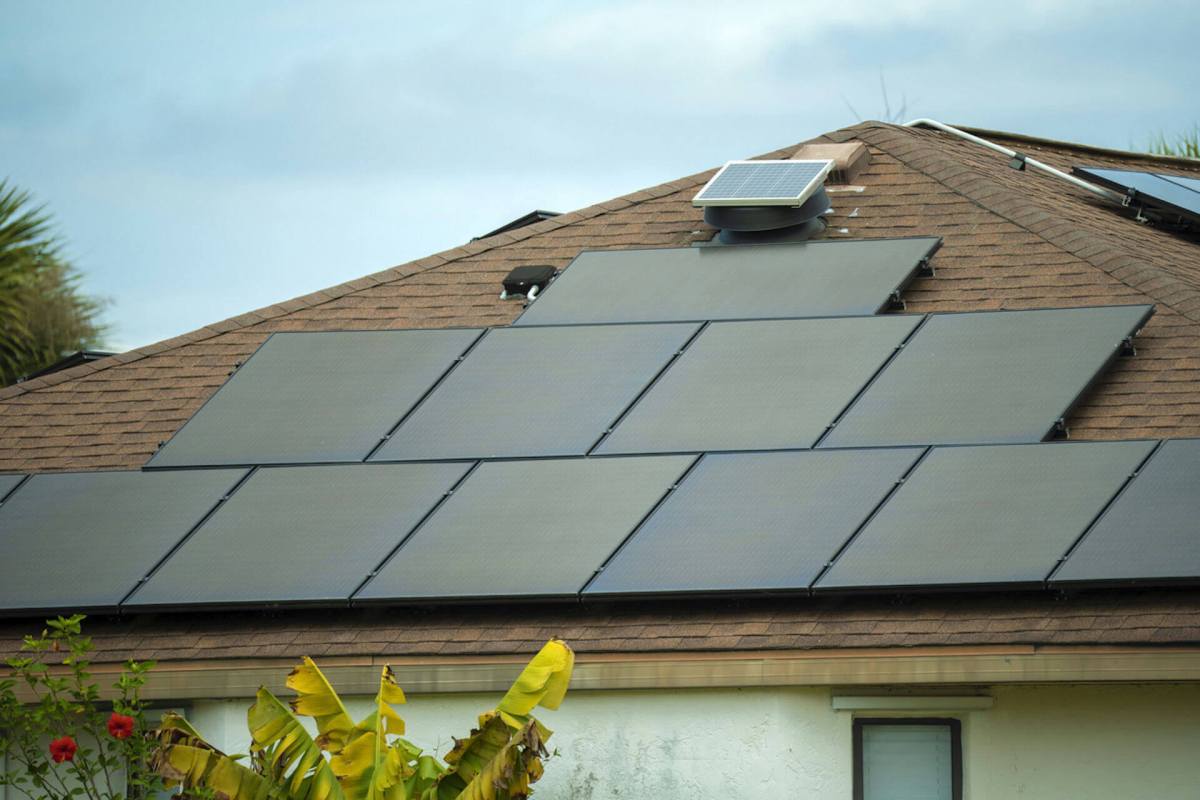
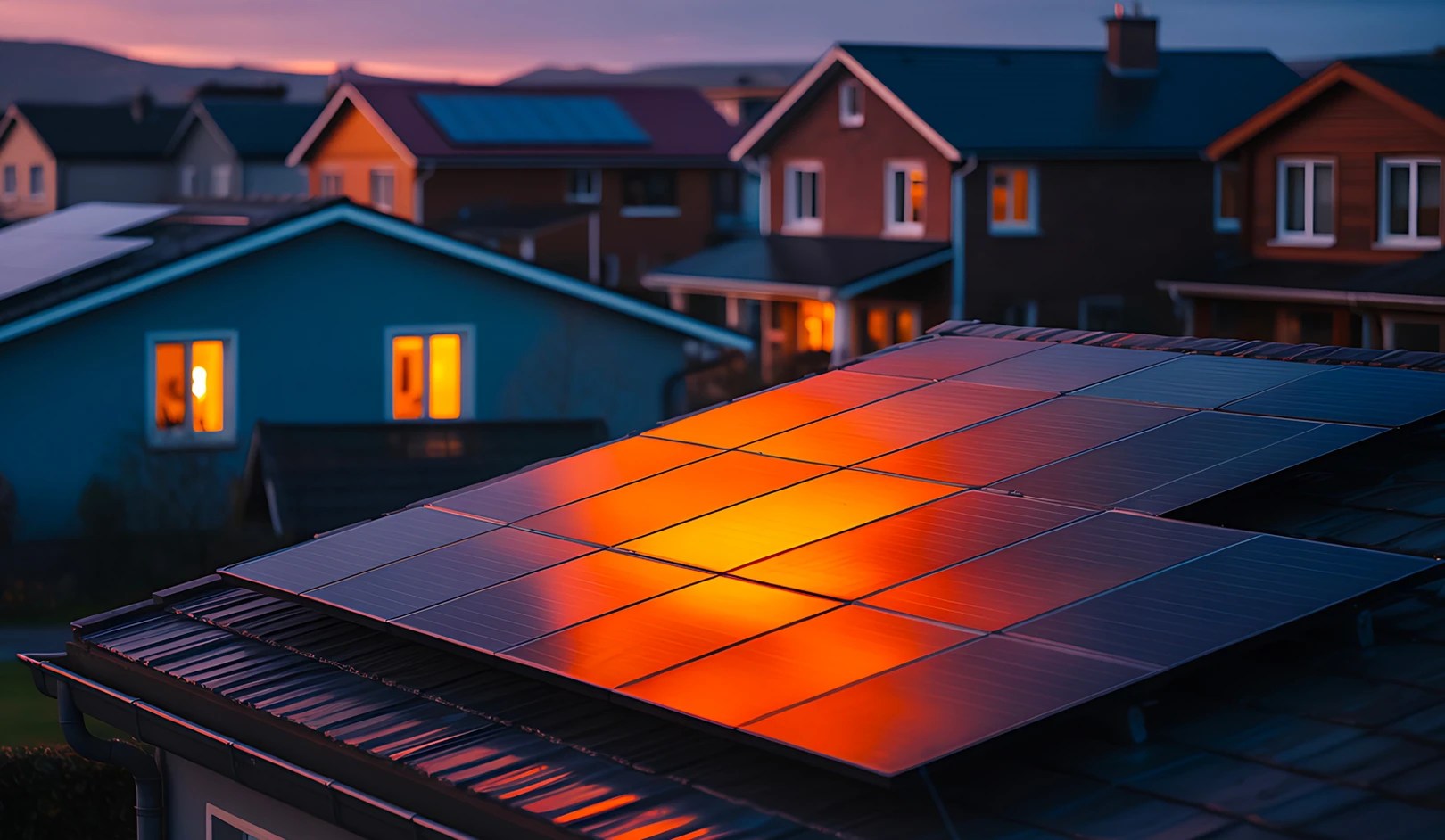

EnergySage's free services can also help homeowners make sense of a major purchase. With EnergySage's help, the average person can save up to $10,000 on solar purchases and installations.
EnergySage's solar map shows the average cost of a home solar panel system on a state-by-state level, along with solar panel incentives for each state, which can help homeowners get the best price for rooftop solar panels and access available incentives.
Adding battery storage to a solar setup is also one of the best ways to protect your home during outages, save money on energy, and go off-grid. EnergySage's free tools offer information about home battery storage options, including competitive installation estimates.
Solar's summer payoff isn't limited to New England. During a Level 1 grid emergency two summers ago, the same regional grid operator leaned on the same kind of relief as demand spiked with the heat.
Dickerson said the biggest cost effects showed up during the most intense heat of the week.
"Basically, we saw between 28% and 43% of daily costs were avoided by the distributed solar in the region," Dickerson said. "Between 2 p.m. and 7 p.m. on that hottest day of July 2, the distributed solar actually contributed more to the fuel mix than the region's nuclear fleet."

Get TCD's free newsletters for easy tips, smart advice, and a chance to earn $5,000 toward home upgrades. To see more stories like this one, change your Google preferences here.