


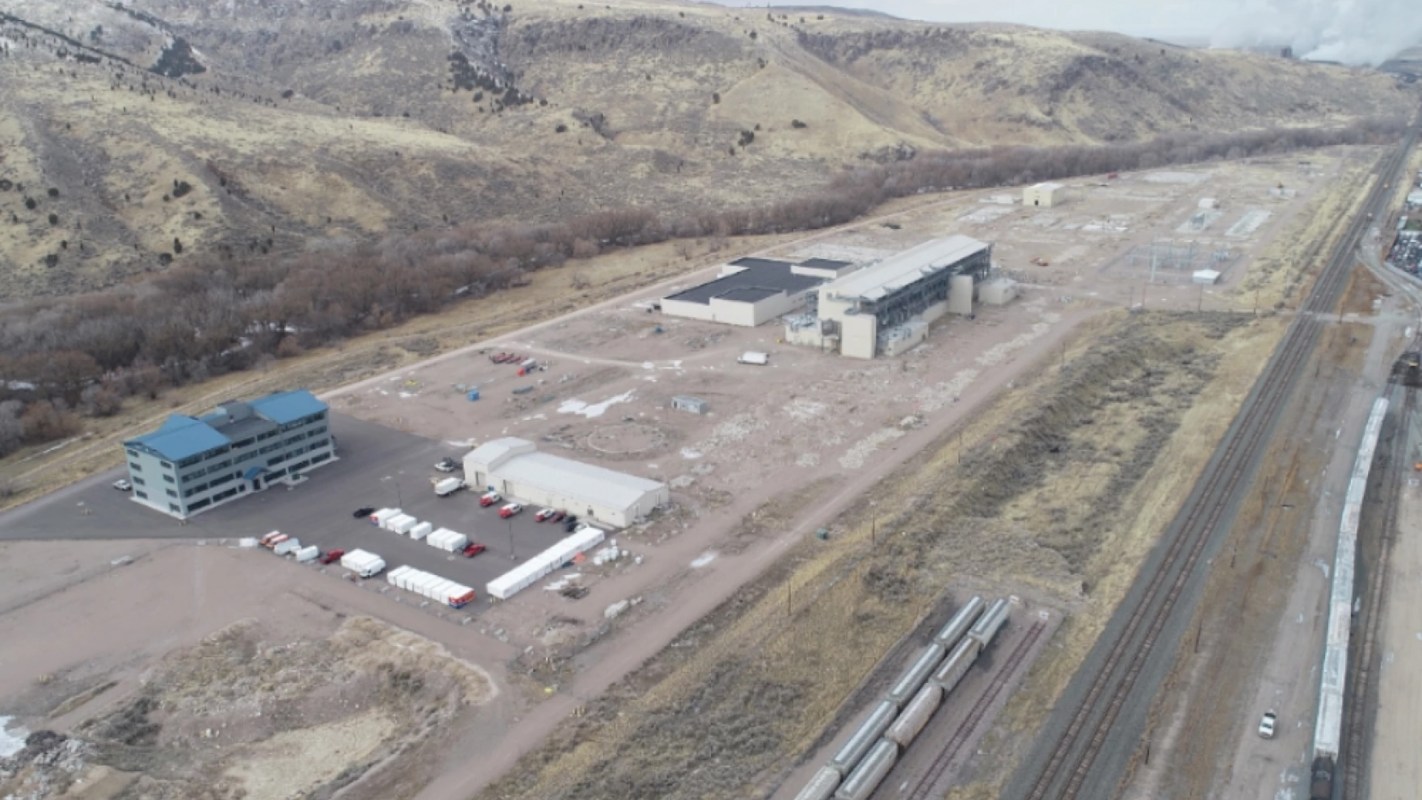
A $2.6 billion data center proposal in southeast Idaho appeared to be finished in May. This week, however, it is back on the agenda, highlighting how quickly communities are rethinking the costs tied to the artificial intelligence-era data center boom.
What happened?
After being denied on May 14, a proposed data center at a former polysilicon plant is headed back to the Pocatello City Council in Idaho for an appeal hearing on July 16, according to Utah Public Radio.
Opposition to large data centers has been increasing in Idaho, Utah, and elsewhere in the country, and in Pocatello, a hearing examiner found that developer Lex Developments had not demonstrated that the project would protect community health, safety, and welfare.
Power demand is one of the biggest worries, said Josh Johnson, central Idaho director for the Idaho Conservation League.
"It's not hyperbole to say that the energy use of data centers is unprecedented, in terms of the cumulative amount of energy that the data centers will use, but also how much energy a single massive data center can use," Johnson explained.
As an example, Johnson cited the proposed Stratos data center in Utah's Box Elder County, where developers expect the facility to require at least 7 gigawatts of power — more than double the state's current energy use, according to UPR.
TCD Picks » Quince Spotlight
💡These best-sellers from Quince deliver affordable, sustainable luxury for all




Why does it matter?
For nearby residents, the debate is about much more than a single building. Massive data centers can affect water supplies, electric grids, land use, and utility costs, especially in dry Western states already dealing with drought and rapid growth.
Water use has become another major flashpoint, Johnson said. According to UPR, a medium-sized data center can consume water on a scale comparable to that of an 18-hole golf course or a large alfalfa field.
The issue is also closely tied to AI. New data centers are frequently built to support AI tools, cloud computing, and other digital services. AI can offer benefits, including helping utilities forecast demand, improve grid efficiency, and better integrate solar and wind power.
The trade-offs include enormous electricity needs, heavy cooling water demands, and potential pressure on household power bills.
What's being done?
Idaho lawmakers have already made at least one change aimed at the water issue. During this year's legislative session, the state required closed-loop cooling systems, which UPR reported use less water than evaporative setups.
A data center that chooses not to use a closed-loop system must obtain cooling water from a municipality or public utility rather than directly from groundwater or a river. The policy does not eliminate the concerns, and states are beginning to write more specific rules for an industry that is expanding faster than many local governments can easily manage.
Johnson and other critics want the next step to be stronger oversight, along with fewer public subsidies. Idaho still offers tax breaks and, according to UPR, promotes itself as a favorable location for data center development, even though legislation that would have ended those incentives failed this year.
As Johnson put it, "We should be not only dialing back the incentives for data centers to come here, because those companies have a lot of money — they can pay their own way if they want to build in Idaho."
He added: "We also need to better regulate them."

Get TCD's free newsletters for easy tips, smart advice, and a chance to earn $5,000 toward home upgrades. To see more stories like this one, change your Google preferences here.






