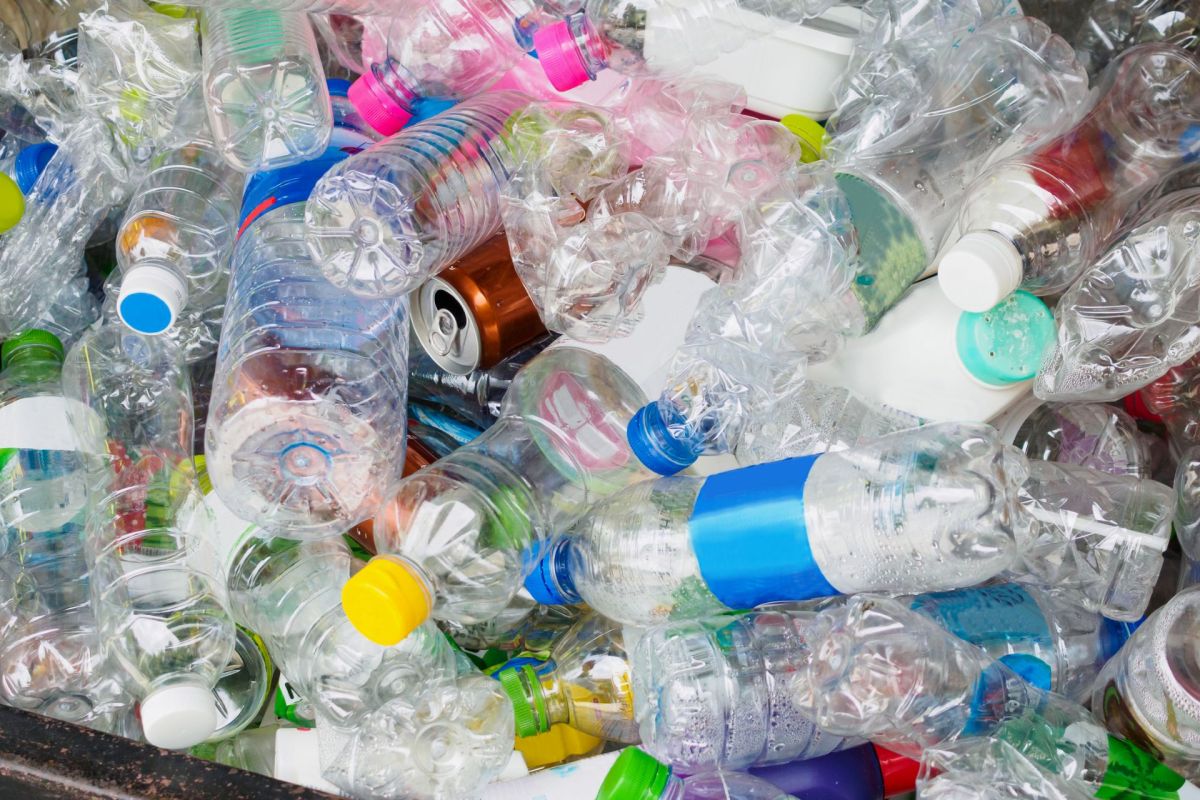
A plastics-processing facility in North Carolina that had been promoted as a possible answer to the growing plastic waste problem is now inactive, with regulators investigating whether hazardous chemicals were improperly handled there.
What happened?
Operations at Braven Environmental's facility in Zebulon, North Carolina, appear to have ceased, according to Inside Climate News.
The New York-based company ran the site from 2020 to 2025 and said its pyrolysis system could handle around 90% of plastics. A visit to the facility found it largely deserted, with an odor of old oil and an interior alarm going off, despite Braven still holding its permits.
State records show dozens of hazardous waste violations at the plant. Inspectors said the company may have allowed hazardous waste to reach the ground, and regulators later cited concerns involving benzene, arsenic, and hexavalent chromium, all of which are linked to serious health risks.
The North Carolina Department of Environmental Quality said it intends to investigate the property for possible contamination.
Judith Enck, a former Environmental Protection Agency regional administrator and current president of Beyond Plastics, said, "This should take the argument away that chemical recycling is the solution."
TCD Picks » Quince Spotlight
💡These best-sellers from Quince deliver affordable, sustainable luxury for all




Why does it matter?
The facility had been sold as part of a cleaner path for dealing with plastic, yet it also produced tons of hazardous waste and repeatedly attracted regulatory attention.
Supporters of pyrolysis often label it "advanced recycling," even though the process can produce toxic leftovers. In Braven's case, EPA records identified the company as a large quantity generator of hazardous waste, according to Inside Climate News, while state officials raised specific concerns about benzene, a known carcinogen.
Emails within the state also pointed to possible effects beyond the plant itself. North Carolina Department of Environmental Quality environmental specialist Thad Valentine cited one message saying that "landscape workers at the business next door became sick while working next to Braven, and an ambulance had to come."
Regulators were also investigating contaminated stormwater and possible leaks from tanks and drums kept outdoors.
What's being done?
Braven sought permission to send water from its oil-water separator into Raleigh's sewer system, but the city denied that request, according to Inside Climate News.
ICN also reported that city contractors later found benzene and other chemicals in separator-treated stormwater and dikewater at levels above regulatory limits, and the DEQ asked for additional testing after quality-control issues emerged at a lab used by the company.
Federal regulators have also been paying attention. In early 2025, an EPA special agent visited the property and observed water flowing from a stormwater pipe even though there had been no rain, deepening questions about what may have been discharged from the site.
In May, Braven told regulators it had paused operations for the time being. Inspectors have continued monitoring cleanup conditions and documented about 40 outdoor storage tanks with petroleum or its residue inside. They also recorded overflowing drums, damaged tanks, and inadequate secondary containment around petroleum waste, as Inside Climate News reported.
"We have idled the plant for the foreseeable future," Michael Bloss, the vice president of engineering and construction at Braven Environmental, said, per the publication.

Get TCD's free newsletters for easy tips, smart advice, and a chance to earn $5,000 toward home upgrades. To see more stories like this one, change your Google preferences here.