


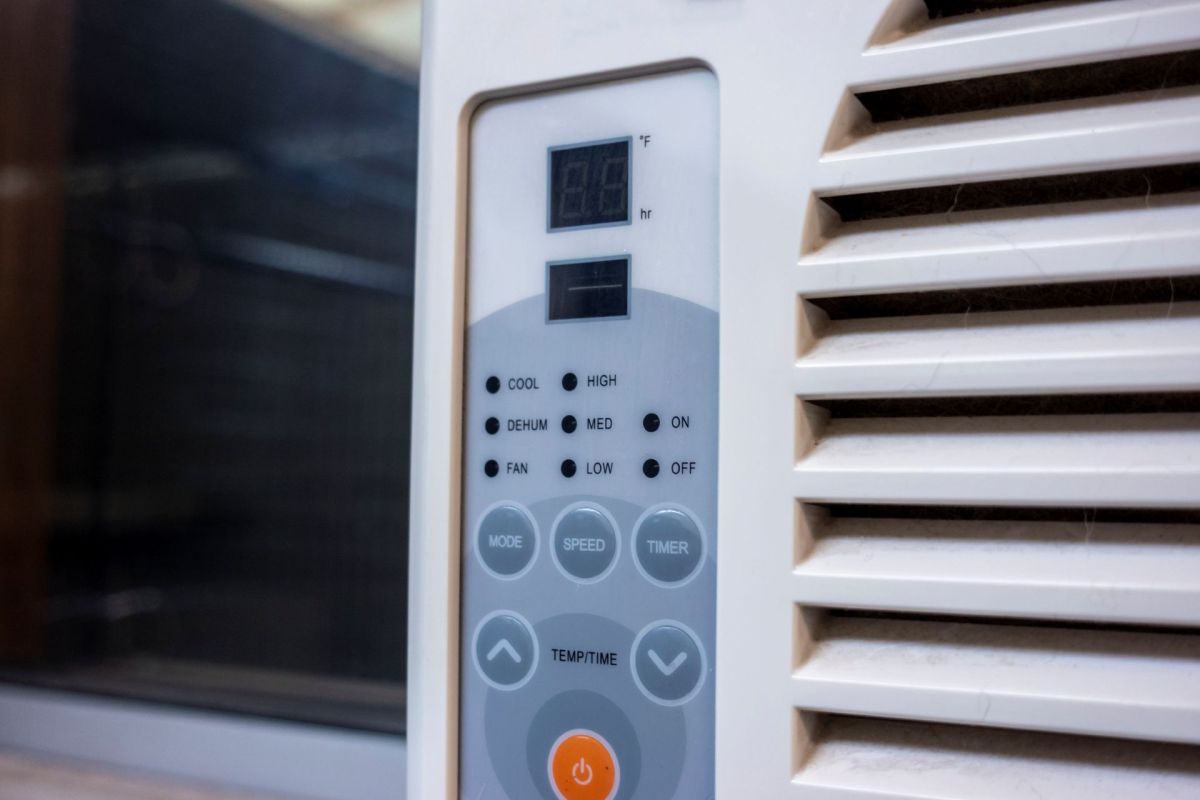
As Phoenix heads into another spell of dangerous heat, many residents are likely to keep their air conditioners running for hours on end. That kind of cooling helps people stay safe and comfortable, but it can also send electricity costs soaring.
Before the next bill shows up, a few basic maintenance moves may bring those cooling expenses down.
What's happening?
With an extreme heat warning in place for metro Phoenix through Friday, many households have little choice but to run their AC around the clock.
Swap air filters out monthly during summer, experts told AZFamily. Accumulated dirt can make the cooling system work harder than necessary.
The type of filter matters too. Higher-MERV filters trap more particles but make an AC unit work harder, while a cheaper filter with a midrange MERV rating can still catch dust and pollen without adding that strain.
Going solar is also one of the best ways to save money on home energy over time. Homeowners can use EnergySage to get quick solar installation estimates, and EnergySage lets them compare quotes from installers in one place.
Why does it matter?
In Phoenix, air conditioning doesn't simply make people more comfortable during peak summer heat. It's a health and safety requirement.
A clogged filter or neglected AC system can push electricity use higher and raise the risk of a breakdown during the hottest stretch of the season, when repairs are especially disruptive.
Save $10,000 on solar panels without even sharing your phone number Want to go solar but not sure who to trust? EnergySage has your back with free and transparent quotes from fully vetted providers that can help you save as much as $10k on installation. To get started, just answer a few questions about your home — no phone number required. Within a day or two, EnergySage will email you the best local options for your needs, and their expert advisers can help you compare quotes and pick a winner. |

Arizona State University professor Pat Phelan said AC maintenance pays off, even midseason, and pointed to installing an Energy Star-rated roof as another option for cutting costs long-term.
Arizona Public Service is among the companies offering budget billing, which uses past bills to create a steadier monthly amount and can make seasonal spikes easier to handle.
What can I do?
Start with the basics: replace filters monthly during heavy-use months, avoid buying an overly restrictive filter if a moderate option will do, and schedule AC service before a small issue turns into a major repair.
If you own your home and are considering bigger upgrades, solar may offer the strongest savings over time. EnergySage's solar map shows the average cost of a home solar panel system on a state-by-state level, along with details on solar panel incentives for each state. Together, those resources can help readers get the best price for rooftop solar panels and access available incentives.
More From EnergySage
💡Go deep on the latest news and trends shaping the residential solar landscape

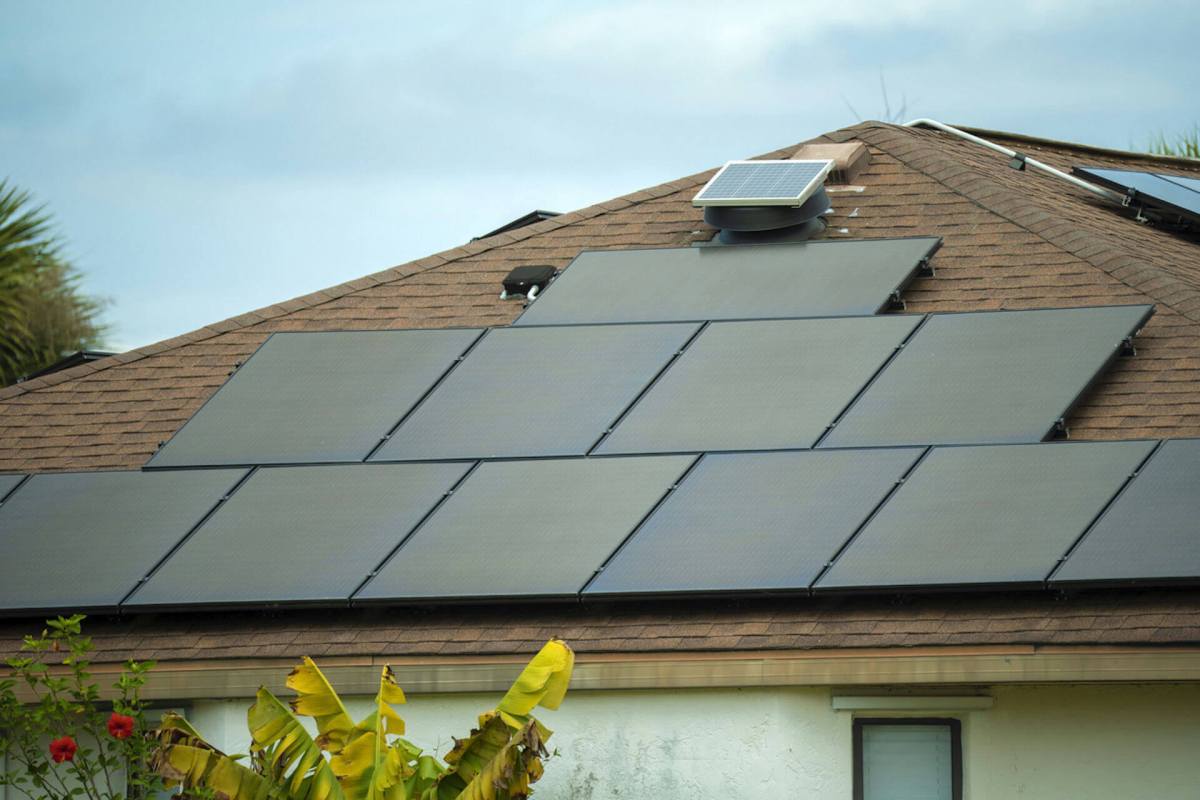

EnergySage's free services can also make comparison shopping much easier for homeowners who are unsure where to begin. With EnergySage's help, the average person can save up to $10,000 on solar purchases and installations.
Adding battery storage to a solar setup is one of the best ways to protect your home during outages, save money on energy, and go off-grid. It can also keep critical devices and appliances running when extreme heat strains the grid. Homeowners can explore EnergySage for information about home battery storage options, including competitive installation estimates.
Phelan said it's "never too late" to get AC serviced. "Have somebody come out and pay whatever it takes to have somebody take a look at it," he said. "You definitely want to head off any problems up front."

Get TCD's free newsletters for easy tips, smart advice, and a chance to earn $5,000 toward home upgrades. To see more stories like this one, change your Google preferences here.






