


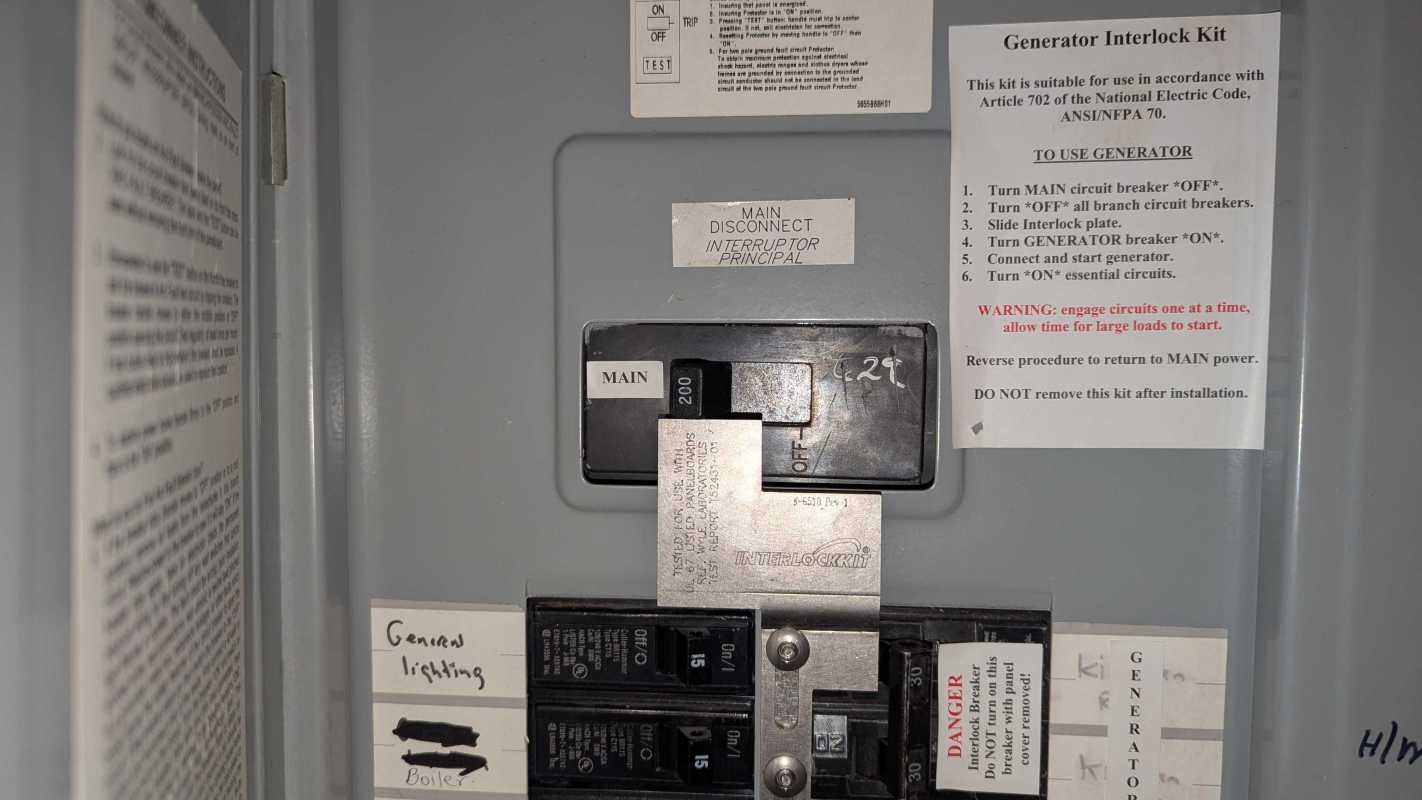
A homeowner shopping for a generator interlock kit stumbled onto a question that may sound familiar to anyone comparing electrical gear online: Is the cheapest option a smart deal or a risk not worth taking when outages hit?
What happened?
The price spread was at the heart of the Reddit discussion. A GenInterlock kit was listed at $70, while a no-name Amazon alternative cost $16, and the shopper questioned whether certification was enough to justify the difference. In a later update on Reddit, the poster said a Murray-branded interlock was UL-listed and priced at $120.
That left a sizable gap in upfront cost: $54 more for the GenInterlock and $104 more for the Murray kit compared with the bargain Amazon version.
These kits are intended to prevent generator and utility power from feeding a home panel simultaneously, helping reduce the risk of backfeeding during an outage. Without one, trying to power an entire household with a generator or battery backup could shock or electrocute electrical workers trying to repair the lines.
The original poster put the dilemma plainly: "GenInterlock has interlock kits for $70 and Amazon has kits for $16. Is there anything GenInterlock is offering over the no name kits to justify the price? How important is MET certification for these?"
For homeowners looking at the bigger home-energy picture, going solar is one of the best ways to save money on utility bills. Free tools from EnergySage can help you get quick solar installation estimates and make it easier to compare quotes from installers.
Why does it matter?
The appeal of a $16 kit is easy to understand. If it works, the immediate savings could go toward fuel, extension cords, or other outage supplies.
Interlock kits need to match the panel they are installed on, and certifications such as UL or MET can indicate that a product has been independently tested for safety.
Save $10,000 on solar panels without even sharing your phone number Want to go solar but not sure who to trust? EnergySage has your back with free and transparent quotes from fully vetted providers that can help you save as much as $10k on installation. To get started, just answer a few questions about your home — no phone number required. Within a day or two, EnergySage will email you the best local options for your needs, and their expert advisers can help you compare quotes and pick a winner. |

Even if a lower-cost option appears to fit, homeowners could still face questions from electricians, inspectors, or insurers if the hardware is unlisted or otherwise unclear.
Savings of $54–$104 could prove far more expensive if an installation has to be redone or if a failure damages equipment. For people trying to keep essential systems running during storms, reliability can matter just as much as the sticker price.
What can I do?
If you are considering an interlock kit, the safest step is to confirm that it is specifically designed for your electrical panel and to check whether your area, electrician, or utility requires listed equipment. When in doubt, spending more on a tested, brand-specific product may be less expensive than replacing a panel component or correcting an unsafe setup.
If you are thinking more broadly about backup power and long-term savings, EnergySage's free services can also help. With EnergySage's help, the average person can save up to $10,000 on solar purchases and installations.
More From EnergySage
💡Go deep on the latest news and trends shaping the residential solar landscape




And EnergySage's solar map shows the average cost of a home solar panel system on a state-by-state level, along with solar incentives in each state, helping readers get the best price for rooftop solar panels and access available incentives.
Adding battery storage to a solar setup is one of the best ways to protect your home during outages and save money on energy. It can also reduce dependence on gasoline-powered backup systems while keeping key appliances available when the grid goes down. Homeowners can explore EnergySage's free tools for information about home battery storage options, including competitive installation estimates.

Get TCD's free newsletters for easy tips, smart advice, and a chance to earn $5,000 toward home upgrades. To see more stories like this one, change your Google preferences here.






