


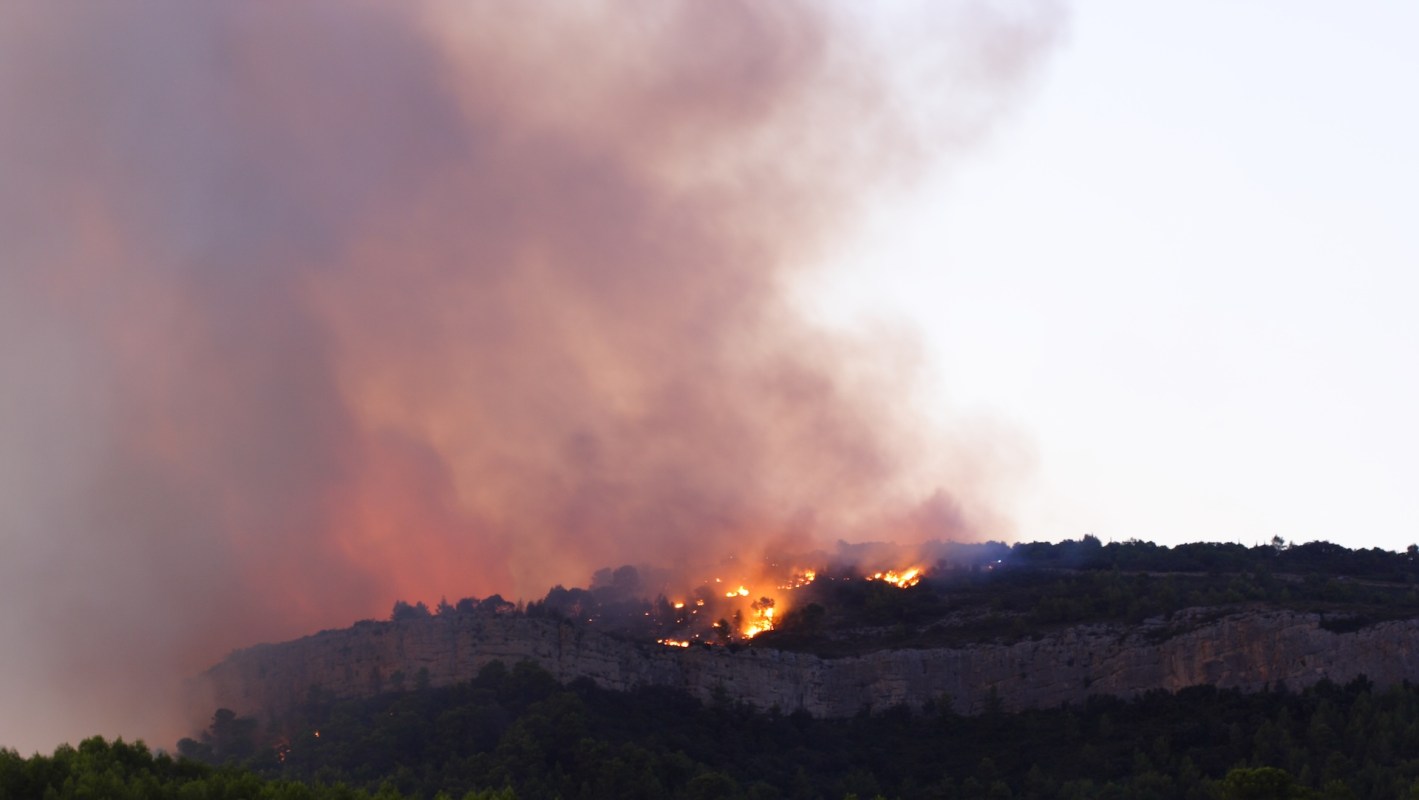
Near Paris, crews are fighting a wildfire in the Fontainebleau forest that has led to evacuations and interrupted both road and rail travel, as another intense heat wave grips western Europe.
Its location makes the fire especially notable: the forest sits close to the capital and encompasses one of France's best-known historic visitor areas.
What's happening?
Roughly 42 miles south of Paris, the Fontainebleau fire forced some nearby residents to leave their homes, according to NBC News.
Fontainebleau is a major tourist draw, home to the chateau associated with Napoleon and long popular with visitors from Paris and elsewhere.
Rail service through Gare de Lyon, one of the city's busiest stations, was disrupted, and authorities closed part of the A6 due to the danger.
Hundreds of firefighters, supported by two planes dropping water, were sent to contain the blaze.
TCD Picks » Quince Spotlight
💡These best-sellers from Quince deliver affordable, sustainable luxury for all




The blaze is unfolding as part of a wider emergency across Europe, with the region in its third red-alert heat wave of the summer. Temperatures rose above 40 degrees Celsius in parts of France, and Spain and the U.K. were also dealing with dangerous wildfire conditions.
Spain has faced some of the most severe losses so far. In the south, a fire swept through a remote expatriate community, killing 13 people and leaving 10 others still missing as of Monday.
Why does it matter?
When extreme heat dries out forests, fields, and grasslands, even a small spark can quickly turn into a fast-moving disaster. It puts lives at risk, threatens homes and jobs, disrupts transportation, and deals a blow to local economies that depend on farming, tourism, and everyday commerce.
In places like Fontainebleau, a wildfire can quickly affect both residents and a steady stream of visitors. Road closures and train delays can ripple far beyond the burn zone, complicating commutes, deliveries, and emergency response.
The health risks are also immediate. Extreme heat can worsen dehydration, heart strain, and heat illness, while wildfire smoke can aggravate asthma and other breathing problems.
For older adults, children, outdoor workers, and people without access to cooling, the danger becomes even more severe.
Copernicus, the E.U.'s climate change service, says Europe is warming faster than the world overall.
In that setting, fires like this summer's are becoming more frequent and more destructive.
What's being done?
French authorities are using aircraft, traffic restrictions, and large firefighting deployments to keep the Fontainebleau blaze from spreading.
In Spain, officials said the deadly Los Gallardos fire was contained Sunday after burning about 70 square kilometers of forest and farmland.
Officials are also relying more on heat alerts and wildfire-risk warnings to help people prepare.
In England, Natural England's fire severity index showed "very high" wildfire risk across much of the country, with some areas marked "exceptional."
With temperatures still soaring and fire crews stretched across multiple countries, Europe's latest wave of blazes shows how quickly extreme heat can threaten public safety, strain infrastructure, and upend daily life.

Get TCD's free newsletters for easy tips, smart advice, and a chance to earn $5,000 toward home upgrades. To see more stories like this one, change your Google preferences here.







