


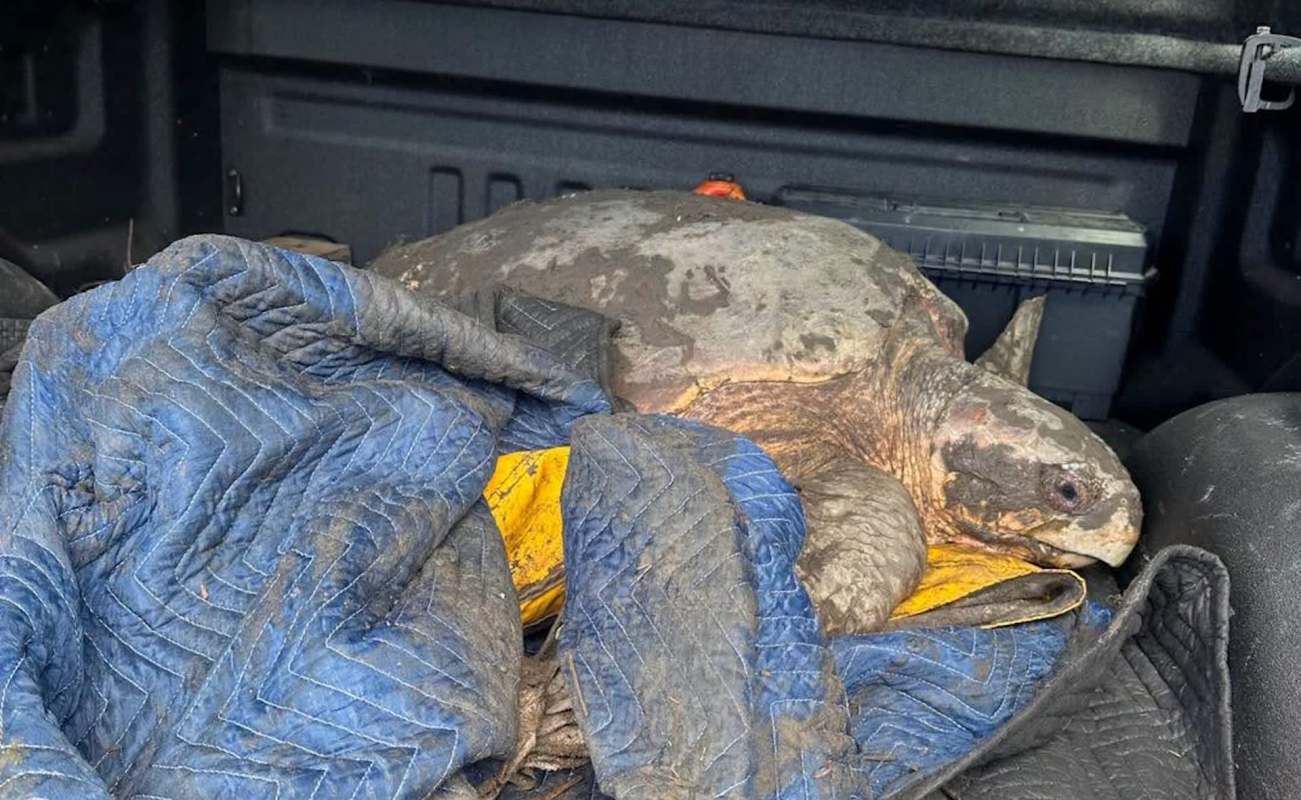
A loggerhead sea turtle ended up nearly a mile inside a Georgia marsh before rescuers intervened, underscoring how volunteers and wildlife officials can protect vulnerable animals when something goes wrong.
Wilbur, an adult female, was hauled out through the mud and released into the Atlantic Ocean.
What happened?
The incident began on Tybee Island, where longtime sea turtle project volunteer Tammy Smith noticed the turtle in marsh grass beside a trail near Highway 80, well away from the beach.
Per People, curator Sarah Alley of the Tybee Island Marine Science Center identified the animal found near the South Channel area of the Savannah River.
Alley remained with the turtle for about three hours while help was coming.
"The plan was to keep the turtle cooled off with water and wet towels until DNR was able to arrive," she wrote in a Facebook post. "Luckily, I also had my beach umbrella in the car and was able to keep her shaded."
TCD Picks » Quince Spotlight
💡These best-sellers from Quince deliver affordable, sustainable luxury for all




After Georgia Department of Natural Resources Sea Turtle Program Coordinator Mark Dodd and other responders got there, Wilbur was secured in a large Velcro sling and carried out of the marsh.
She was later released at North Beach; her shell measured a little more than 3 feet, and she weighed at least 250 pounds.
Alley also shared why she chose the turtle's nickname.
"I decided to call her Wilbur because she was like a little marsh piggy, slapping her flippers in the mud when I got there," Alley wrote.
Why does it matter?
Loggerhead sea turtles already face a long list of threats, including habitat loss, boat strikes, fishing gear entanglement, and warming oceans.
When one animal ends up stranded deep in a marsh, a successful rescue can mean the difference between life and death.
This event involved a volunteer who noticed something unusual, a local science center, and state wildlife officials.
After Wilbur was moved, the Georgia DNR recovered a single egg she had left behind for genetic testing as part of an ongoing University of Georgia research project. Such work can help scientists better understand turtle populations and improve conservation decisions.
What's being done?
Before trained wildlife staff could move her safely, the immediate priority was to keep the turtle cool and wet.
That quick action likely reduced stress on the large animal stranded in a hot, muddy environment.
The response relied on the joint efforts of the volunteer network, marine science center, and state wildlife programs.

Get TCD's free newsletters for easy tips, smart advice, and a chance to earn $5,000 toward home upgrades. To see more stories like this one, change your Google preferences here.







