


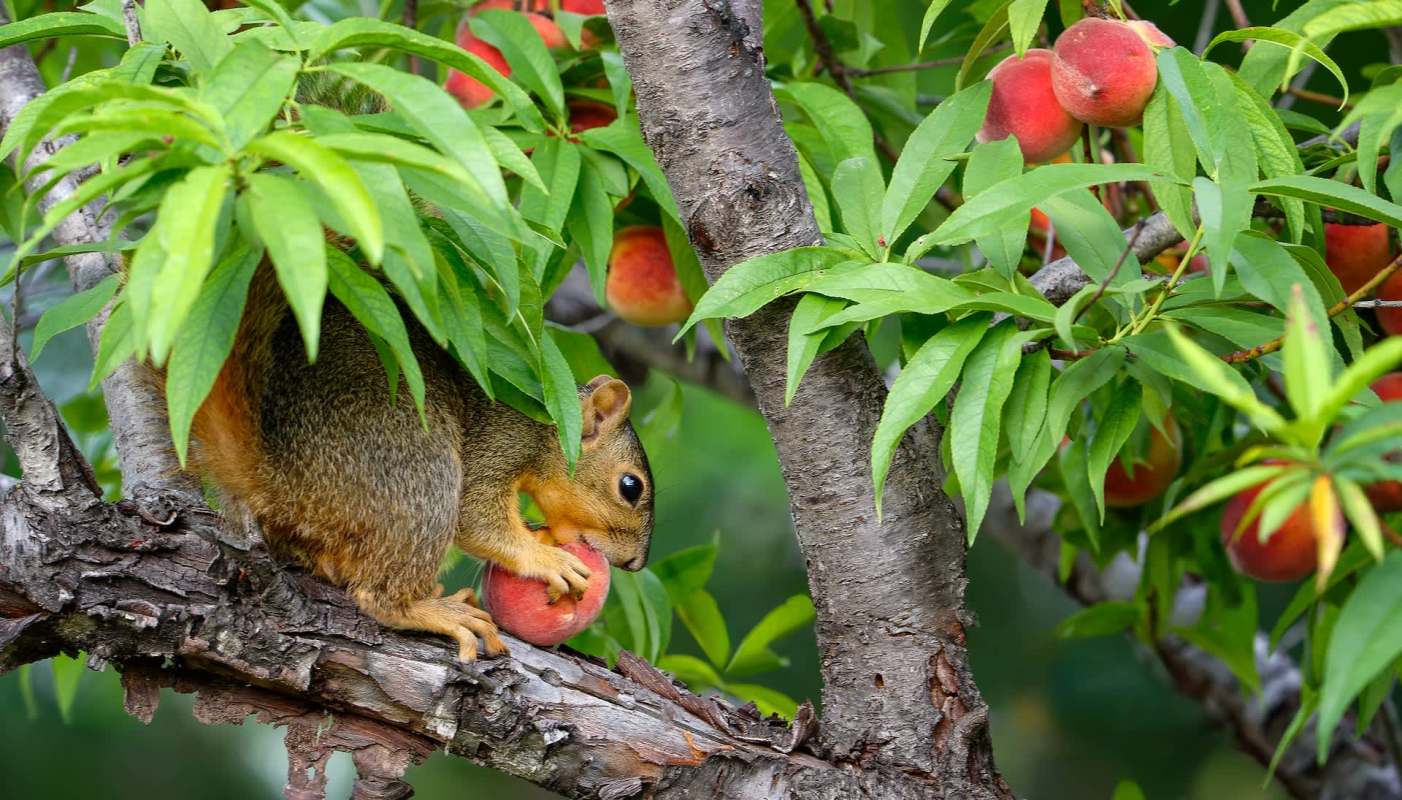
Each spring, a backyard peach tree promised a fresh crop — and then squirrels would strip it before the fruit could be enjoyed.
After repeated losses, the homeowner tried a simple fix: saving old strawberry containers and using them to protect the peaches.
What happened?
In a piece for Tom's Guide, U.S. Editor-in-Chief Michael A. Prospero said he and his wife had planted the peach tree three years earlier, but squirrels kept targeting the fruit right when it was ready to take.
Traditional netting did little to stop them, and Prospero wrote that although the tree produced dozens of peaches, the squirrels had cleaned the tree out by mid-June during one previous season.
According to Tom's Guide, his new tactic this year was to fasten empty plastic strawberry containers around individual peaches while they were still on the branch.
The vented clamshell packages let air keep moving around the fruit while also creating a stronger obstacle between the peaches and the squirrels. Prospero said the animals still have not managed to get through them, and he's happy the containers were able to be repurposed.
TCD Picks » Quince Spotlight
💡These best-sellers from Quince deliver affordable, sustainable luxury for all




He put the containers on about six peaches, and those were the ones that remained on the tree.
Prospero also experimented with a blueberry container, but he wrote for Tom's Guide that cutting it to fit around a branch caused it to lose its structure.
Why does it matter?
Losing fruit to pests can wipe out part of a home harvest. Reusing containers this way could protect some fruit without additional plastic netting or chemical deterrents.
Growing food at home can help reduce grocery costs, particularly when produce prices rise, and homegrown fruit and vegetables are often picked at peak ripeness.
Gardening can also benefit overall well-being. Time spent outdoors and in motion can support physical health, while tending plants is often linked to lower stress and better mental health.
Reusing berry containers also gives single-use plastic packaging a second life before it ends up in the trash or recycling bin.
What can I do?
This type of targeted protection can be tested on peaches, tomatoes, or other vulnerable produce. In Prospero's case, the most useful containers were the ones that could fit around a branch without harming the fruit while still allowing airflow.
Other low-impact strategies may also help, including physical barriers, harvesting at the right time, and exploring ways of controlling pests without chemicals.
A hack like this may not protect an entire tree, and it may not work the same way with every fruit or every pest.
In Prospero's case, the biggest drawback was appearance rather than performance.
Still, as Prospero put it, "The squirrels haven't yet figured out how to open the containers — and I hope they don't."

Get TCD's free newsletters for easy tips, smart advice, and a chance to earn $5,000 toward home upgrades. To see more stories like this one, change your Google preferences here.






