


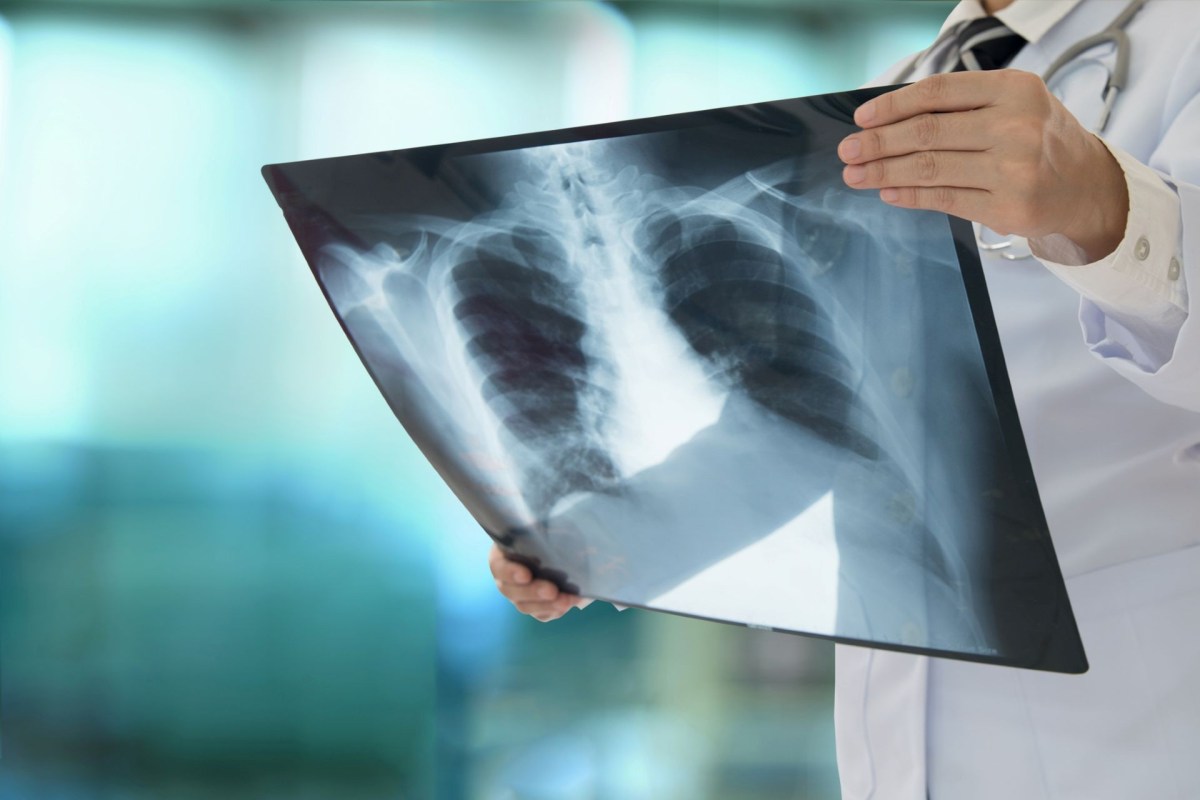
New York officials say the Seneca Meadows landfill in Seneca Falls, the state's largest landfill, has not been proven to be the cause of elevated lung cancer rates in the surrounding area.
However, that conclusion has done little to calm concerns because the census tract closest to the site recorded the highest rates.
What happened?
According to a state review detailed by FingerLakes1.com, investigators assessed lung cancer rates near the Seneca Meadows landfill and said the evidence did not support tying those cases directly to that facility.
The New York Department of Health analyzed 26 years of data, covering lung cancer diagnoses from 1996 to 2021 across seven census tracts surrounding the landfill. The agency found higher-than-expected lung cancer rates among men in all seven tracts and among women in six of these tracts.
However, it concluded the available evidence did not establish a direct connection between the landfill and those cases.
Cancer cluster reviews can identify patterns that warrant concern, but they do not always deliver a clear yes-or-no answer about a single source, especially with illnesses such as lung cancer that can be shaped by multiple factors over time.
TCD Picks » Quince Spotlight
💡These best-sellers from Quince deliver affordable, sustainable luxury for all




Why does it matter?
A higher local rate is an important warning sign that deserves investigation, but might not translate into proof that one facility caused those illnesses. Lung cancer risk can also be influenced over time by smoking history, workplace exposures, radon, and other factors. The risk can also be heightened by severe events like wildfires that can spread toxic metals through the air, such as chromium.
Some residents and outside experts argue the report leaves important questions unanswered. Mark Pitifer, an employee of the Waterloo Container which is near the landfill, said the findings didn't reassure him, pointing out that "the report is more a PR thing to get people to back off a little." He also stated: "They were just saying they found no direct correlation, which is their way of saying 'It's not the landfill.'"
Uncertainty can erode trust in public institutions, heighten stress for nearby residents, and increase pressure on state agencies to explain how they reached their conclusions and what steps may come next.
The dispute also reflects a broader pattern playing out across the country as communities question the health burdens associated with large waste facilities. Other reporting on landfill expansion and on efforts to reduce harmful pollution from trash sites shows how local infrastructure decisions can shape public health and quality of life.
What's being done?
The state conducted a formal review rather than dismissing the concern. A public report creates a record that can later be challenged, updated, or expanded if additional evidence becomes available.
Cases like this often lead to calls for more monitoring, greater transparency around the data, and continued oversight of landfill operations. Communities often push for independent reviews, public meetings, and stronger environmental testing to help close the gap between official conclusions and what residents say they are experiencing.
Dr. David Carpenter, a health sciences professor at the University at Albany, also scrutinized the report's conclusions. "The DOH tries to pass this off, saying (residents of these tracts) smoke more than others. That's not convincing. It ignores the possible impact of benzene, which I suspect is the cause of those elevations in lung cancer around the landfill."
Residents are also questioning whether they are receiving timely information, meaningful oversight, and a fair response when serious health concerns are raised.
So far, the report has not resolved the dispute. As long as officials stop short of identifying a cause while the elevated local pattern continues to worry residents, the debate is likely to continue.

Get TCD's free newsletters for easy tips, smart advice, and a chance to earn $5,000 toward home upgrades. To see more stories like this one, change your Google preferences here.






