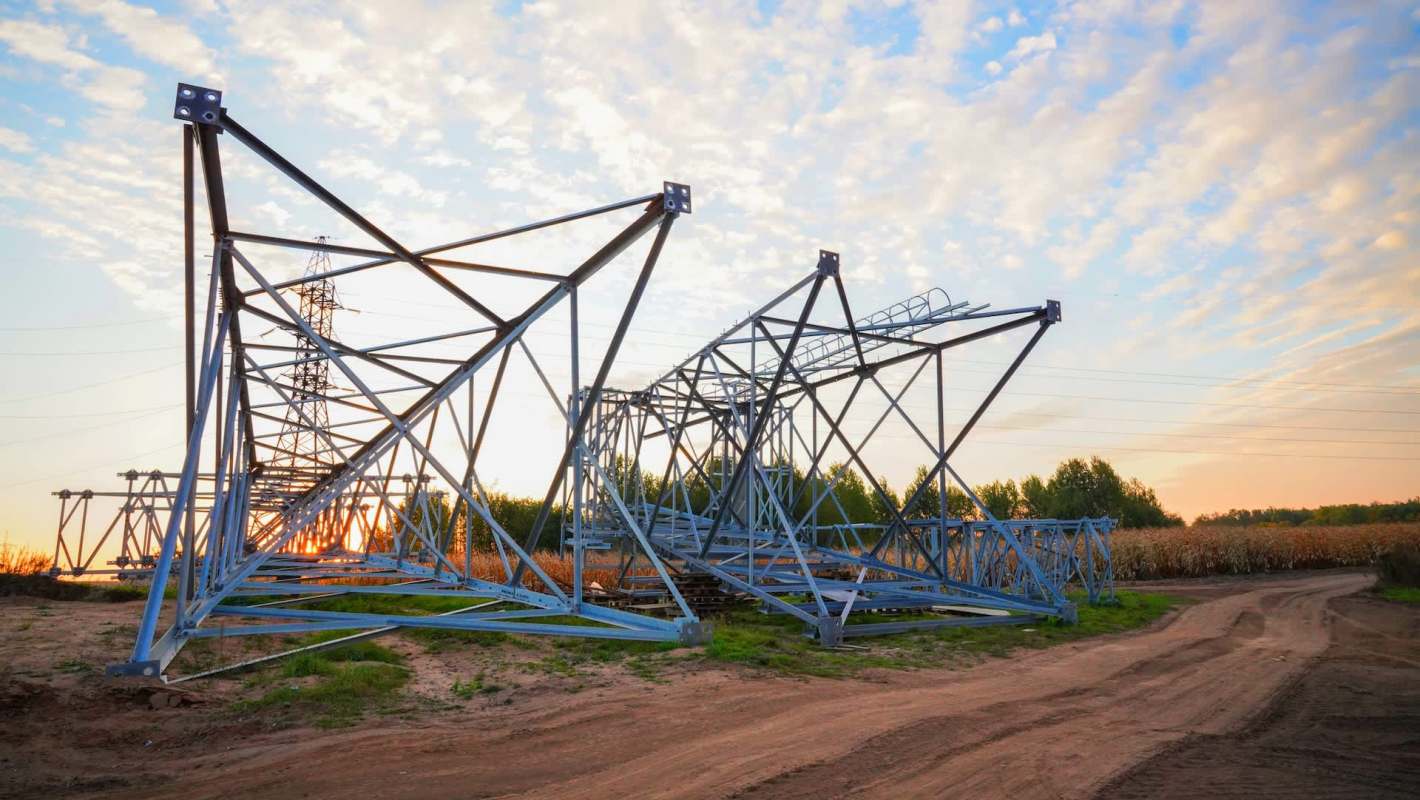
The Rochester City Council approved a resolution July 6 allowing the use of eminent domain for parts of a transmission line project intended to reduce strain on the grid and support more renewable energy in Minnesota.
For landowners in the Rochester area, that means the region's renewable energy expansion could also turn into a direct battle over property rights.
What happened?
If talks with landowners do not produce agreements, Rochester would be able to pursue easements, rights-of-way, and other property rights needed for portions of the Mankato-Mississippi River Transmission Line Project under a resolution the City Council approved Monday, July 6, KTTC reported.
The project would add a 161-kilovolt transmission line running from the North Rochester substation to the 161-kV Chester line northeast of Rochester. Officials said the new line is intended to ease pressure on the existing grid as electricity use rises and to support more renewable energy in Minnesota.
Rochester Public Utilities general manager Tim McCollough said Xcel Energy is leading the land acquisition process, according to KTTC. He described Rochester Public Utilities as an "investor partner" that would later hold a share of the transmission line.
Xcel Energy spokesperson Randy Fordice said construction is expected to begin in mid-2028, with the line set to enter service in 2029.
TCD Picks » Quince Spotlight
💡These best-sellers from Quince deliver affordable, sustainable luxury for all




Why does it matter?
Transmission lines are a critical part of the shift to cleaner energy. Even when states and communities want more wind and solar power, that electricity cannot reliably reach homes and businesses without enough grid capacity to carry it.
At the same time, the use of eminent domain can make that transition feel deeply unfair for the people living closest to the project. Losing control over land, even when compensation is offered, can create frustration, anxiety, and a sense that local residents are being forced to absorb the costs of a much broader public goal.
Public trust plays a major role in energy and climate goals. When communities feel ignored or overruled, projects can face stronger opposition, legal challenges, and costly delays, slowing the transition to cheaper, cleaner electricity.
What's being done?
Both McCollough and Fordice described eminent domain as a fallback rather than the first choice. They said city officials and utility partners are trying to reach voluntary agreements with landowners before using legal authority to obtain access to the land.
As KTTC noted, McCollough said that step would be taken only after other efforts fail and only if the project partners agree to move forward with it. He also said affected landowners would receive fair compensation if the process is used.
Utilities across the country face similar disputes as they expand and modernize the grid while responding to local concerns over land use, costs, and community impacts.
McCollough said, "But if there is a piece of infrastructure needed for the public good, it [eminent domain] is a tool that can and is sometimes exercised in rare circumstances."
Fordice added, "That's why the law does provide for the use of eminent domain in those limited cases."

Get TCD's free newsletters for easy tips, smart advice, and a chance to earn $5,000 toward home upgrades. To see more stories like this one, change your Google preferences here.