


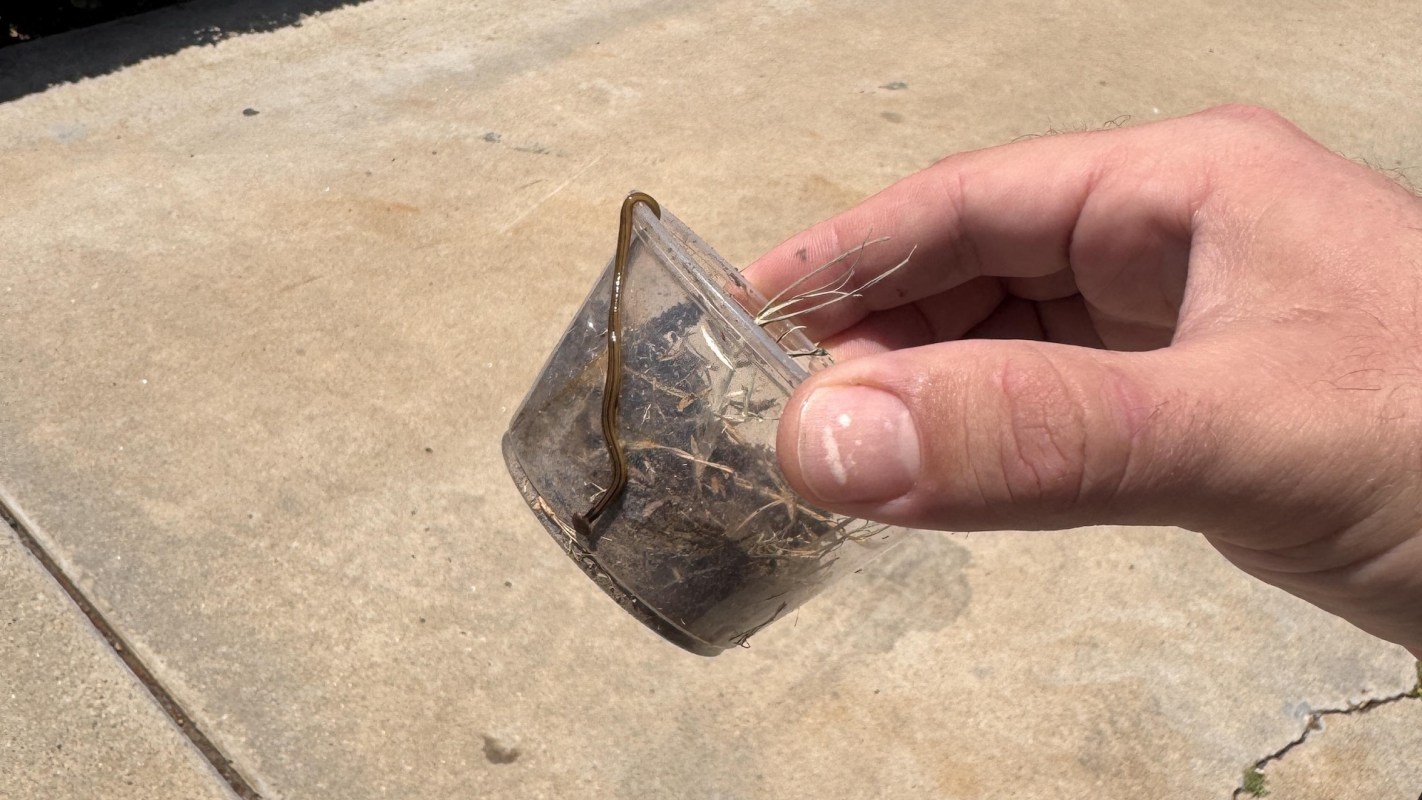
Three hammerhead flatworms found in a San Diego garden prompted one local gardener to ask Reddit for help. Users replied with warnings that disposing of the invasive worms is not as simple as it might seem.
What happened?
The gardener posted photos to Reddit's r/SanDiegan after spotting the worms in the garden.
They shared a photo holding a plastic cup filled with soil, with a noticeable hammerhead worm clinging to the side of the cup. "Hammerhead flatworms found in garden," they captioned their post.
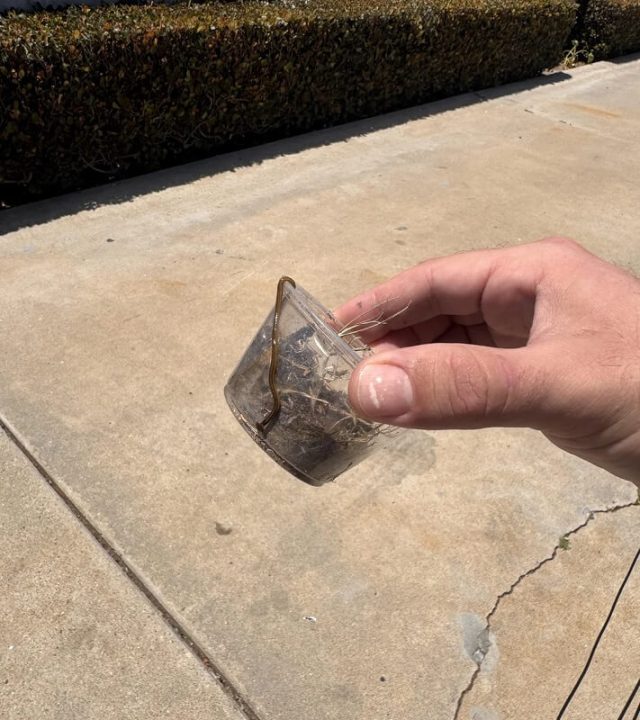
The original poster asked, "Is there an organization that I should report this invasive species to?"
The top comment provided resources for contacting the California Department of Food and Agriculture, urging OP to report their findings. "Don't crush or cut it as they can regenerate! Yikes," the commenter added.
"I also dug up the area and sealed and salted any I found. I only found 3 thankfully, under a box of garden supplies that originally came from China," the original poster added.
TCD Picks » Quince Spotlight
💡These best-sellers from Quince deliver affordable, sustainable luxury for all




Other commenters shared their experiences finding hammerhead worms nearby, while others joked about killing the worms with fire.
Conversation in the thread widened beyond the find itself, with users discussing how shipped items, soil, and other gardening materials can carry invasive species into new places.
Why does it matter?
Hammerhead flatworms are especially troubling for gardens because they prey on earthworms, which play a major role in aerating soil and recycling nutrients. When earthworm populations decline, the health of garden beds and backyard ecosystems can suffer.
The sighting also points to the human role in spreading invasive species. Creatures like these often do not travel long distances on their own. Instead, they are moved through trade, shipping, landscaping, and the transfer of soil and plants.
A strange backyard discovery can be an early sign that an invasive species has gained a foothold nearby.
What can I do?
Inspect garden supplies, potted plants, mulch, and damp storage areas where pests may be hiding. Wearing gloves while handling unknown creatures is another precaution, especially if you are not sure what you are dealing with.
More broadly, gardeners can reduce the risk of accidentally introducing invasive species by checking new plants and materials before bringing them into the yard, avoiding unnecessary movement of soil, and cleaning containers and tools. Taking a photo and contacting a local extension office or agricultural agency may also help with identification.
These steps will not eliminate invasive species on their own, but they can help keep a manageable problem from becoming a larger one.

Get TCD's free newsletters for easy tips, smart advice, and a chance to earn $5,000 toward home upgrades. To see more stories like this one, change your Google preferences here.






