


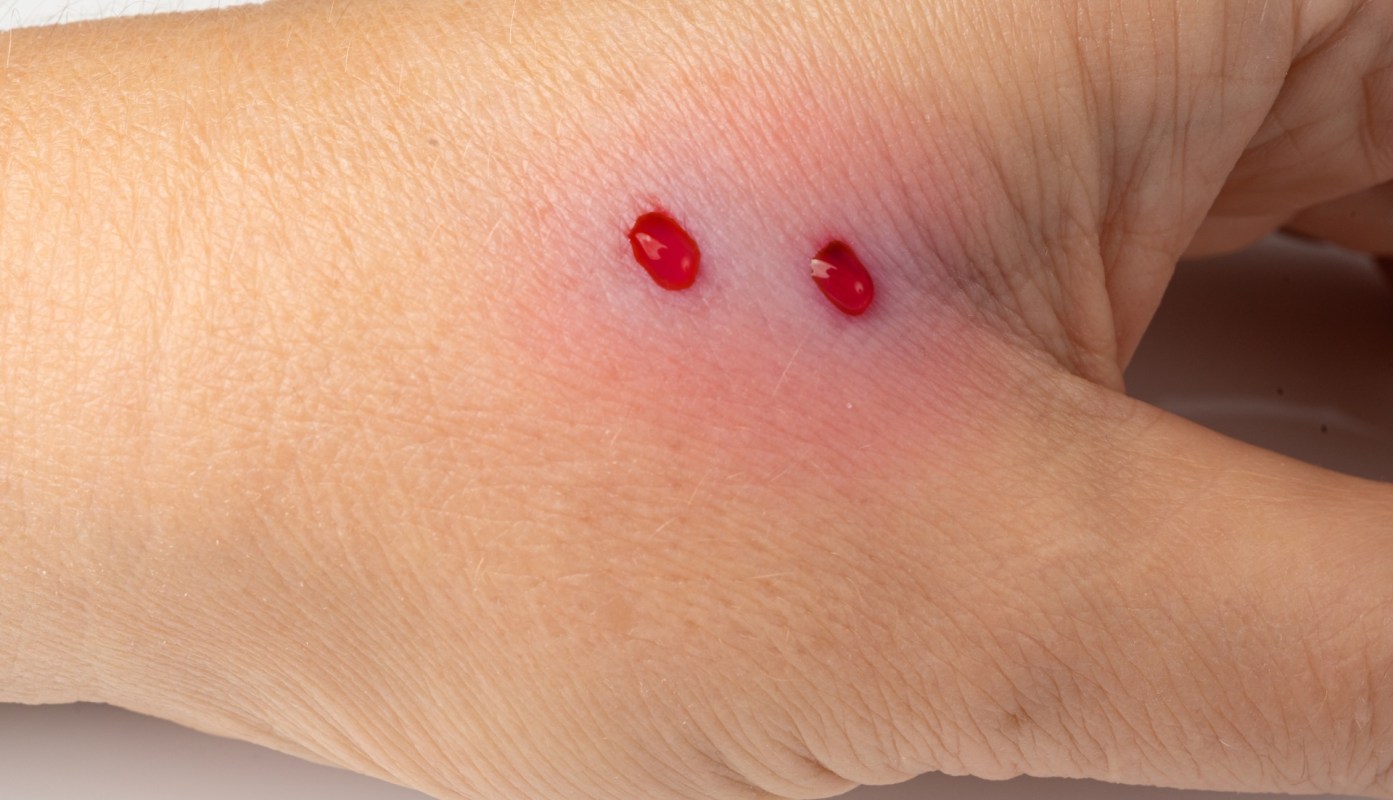
A simple backyard errand in Northern California turned into a medical crisis for an Idaho man visiting family when two rattlesnake bites sent him to intensive care and forced doctors to scramble for enough antivenom.
The more serious strike pierced a vein, allowing venom to move through his body faster and contributing to a life-threatening complication.
What happened?
By the time Chris Howarth, an Idaho man visiting family in Oroville, California, was discharged, he had spent 12 days in the hospital, most of them in intensive care, and had received 54 doses of antivenom.
He told SFGATE, as reported by KTLA, that the ordeal began when he stepped outside to inspect his parents' water line after unusually wet conditions. He initially thought he had stepped on something sharp, then realized a rattlesnake had bitten him twice on the lower part of his right leg.
One puncture was minor, but the other reached a vein, allowing the venom to spread more quickly. On the third day, he developed disseminated intravascular coagulation, a dangerous disorder that disrupts the body's ability to clot normally, and after the hospital ran through its antivenom supply, he was flown about 195 miles to Stanford Hospital.
Why does it matter?
The snake was in a family backyard, and the consequences escalated quickly.
TCD Picks » Quince Spotlight
💡These best-sellers from Quince deliver affordable, sustainable luxury for all




As homes expand into wildlife habitat and weather swings affect where animals shelter, people and snakes can end up in closer contact. Human activity can increase the chances of dangerous encounters with wild animals, even when no one is intentionally seeking them out.
Ordinary outdoor chores can carry hidden risks in snake country, especially after rain or flooding, when animals may be displaced.
Severe bites can require specialized treatment, rapid transport, and more antivenom than a smaller hospital may have on hand.
What can I do?
In areas with rattlesnakes, experts often recommend wearing boots outdoors, using a flashlight at night, watching where you place your feet and hands, and keeping yards clear of brush, wood piles, and clutter where snakes may hide.
After heavy rain or unusual weather, be especially cautious around sheds, water lines, rocks, and other sheltered spots. Pets and children should also be monitored closely in backyards and along trails.
If you are bitten by a rattlesnake, seek emergency care immediately. Try to stay calm, limit movement, and keep the bitten limb as still as possible while help is on the way. Do not try to suck out venom or use a tourniquet.
Communities can reduce risk by preserving habitat corridors away from homes and sharing wildlife-safety guidance.

Get TCD's free newsletters for easy tips, smart advice, and a chance to earn $5,000 toward home upgrades. To see more stories like this one, change your Google preferences here.







