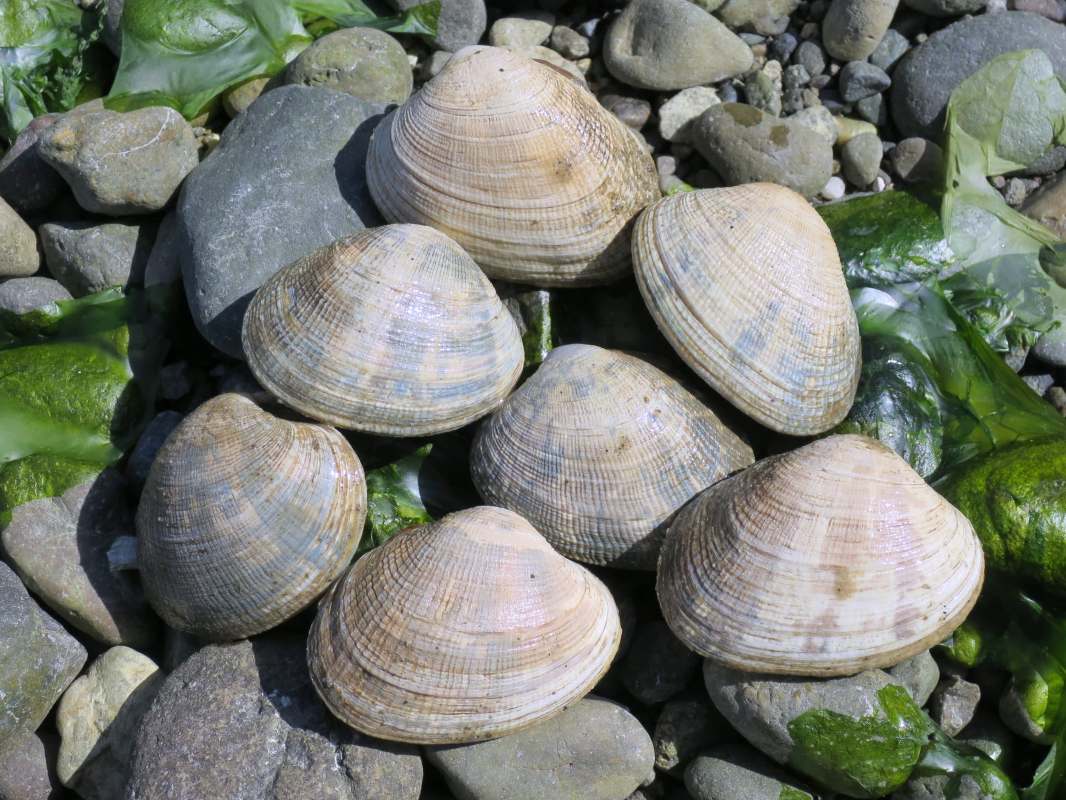
Researchers now have evidence that invasive Manila clams are reproducing in Boston Harbor.
This is the species' first known foothold on the northwestern Atlantic coast and makes Massachusetts the site of an uncommon turning point in invasion biology: the stage when a species becomes an established resident.
What happened?
Biologists from UMass Amherst, the MIT Sea Grant program, and the Center for Coastal Studies determined that Manila clams, Ruditapes philippinarum, are now established along the shoreline near Boston, according to the team's findings published in Biological Invasions.
The northwestern Atlantic coast has remained the only Manila-clam-free stretch of the Northern Hemisphere coastline — until now. The species is native to waters around Sakhalin Island in Russia, Japan, and southern China.
The clams are also widely harvested for food and support a seafood industry worth about $7 billion each year.
The first hint that this could be happening surfaced in summer 2025, when an undergraduate at a workshop on Spectacle Island in Boston Harbor texted that a clam there might be a Manila clam, Phys.org reported.
TCD Picks » Good Store Spotlight
Get 10% off your next purchase with code TCD10




Soon, tiny live clams began appearing up at Squantum in Quincy and Calf Pasture Park in Boston. Researchers had also found shells in abundance after the initial tip.
Why does it matter?
When an invasive species begins breeding successfully, it can become much harder to control. Shellfish beds are tied not only to biodiversity but also to local economies, food systems, recreation, and restoration work.
Although Manila clams are prized as food, Phys.org reported that they can outcompete native shellfish and interbreed with related species. If their population grows, that could add pressure to species and habitats that Massachusetts communities are already working to protect.
The researchers did point to one possible ecological benefit: Manila clams may become another food source for other animals. That could ease some of the predatory pressure that invasive green crabs exert on softshell clams, though it does not eliminate the broader risks of a new invader becoming established.
TCD Picks » Quince Spotlight
💡These best-sellers from Quince deliver affordable, sustainable luxury for all




What's being done?
Well-documented first-establishment events are unusual, which gives researchers and marine managers a better opportunity to follow where the clams spread next and assess their effects on native species. By publishing the discovery now, the research team has put coastal scientists, shellfish managers, and local communities on alert.
Now that Manila clams are established and reproducing, what happens next could shape local waters, wildlife, and shellfishing for years to come.

Get TCD's free newsletters for easy tips, smart advice, and a chance to earn $5,000 toward home upgrades. To see more stories like this one, change your Google preferences here.