Colorado households are already feeling the strain of rising electricity costs, and many may soon be asked to pay even more.
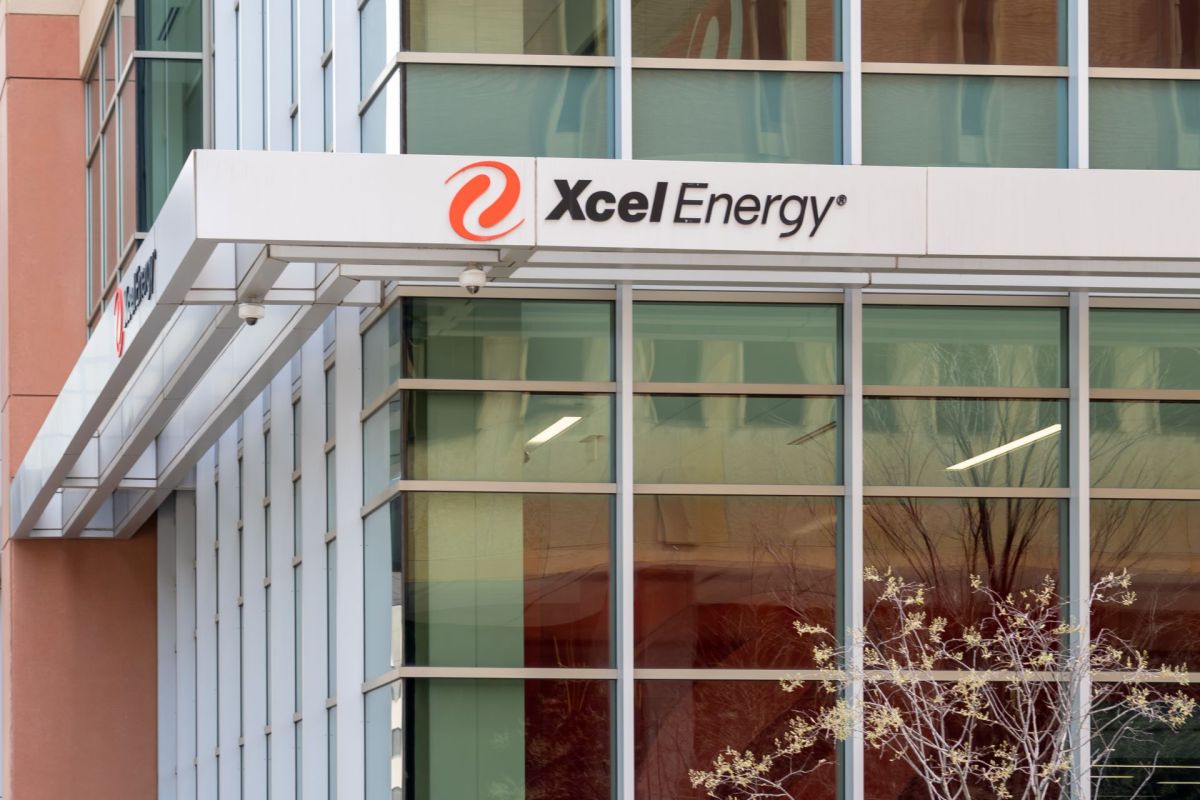
Despite a surge in shutoffs for nonpayment, Xcel Energy requested a record $225 million in additional revenue. Its proposal would raise the average residential electricity bill by $6.15 a month.
What's happening?
Consumer advocates and Colorado utility staff say the timing of the request is especially troubling.
According to The Colorado Sun, residential disconnections for unpaid bills climbed from 9,731 in 2023 to 78,337 in 2025 — a 705% increase — and nearly a third of those customers were shut off more than once.
The Colorado Public Utilities Commission found that Xcel's electric rates have risen 22.2% since September 2023, outpacing inflation by over threefold.
In 2022, a household using 601 kilowatt-hours paid an average of $90.90 a month. The Sun said that bill is now $104.68 and would rise to nearly $111 under the new proposal.
TCD Picks » Quince Spotlight
💡These best-sellers from Quince deliver affordable, sustainable luxury for all




The pending rate case would require customers to cover $72 million in smart meter installation costs. The PUC also noted that those meters make shutoffs easier because utilities can disconnect homes remotely.
Why does it matter?
"What we're seeing is a real stress on families right now regarding energy bills, which is something that we've been hearing over and over," Jennifer Gremmert, CEO of Energy Outreach Colorado, told The Sun.
Even so, the outlet reported that as many as 385,000 customers may spend at least 2.5% of their income on electricity alone. "There is no affordability crisis," Xcel Energy Colorado CEO Robert Kenney's said.
For low-income households, the strain is much greater. Gremmert told The Sun those families devote 10-12% of their incomes to energy.
"You have a quarter to a third of your customers — by your own numbers — that can't afford your product," Joseph Pereira, director of the state Office of the Utility Consumer Advocate, told The Sun. "That's very problematic."
What's being done?
Xcel has proposed expanding its percentage of income payment plan, which is intended to lower bills for income-qualified customers, according to The Sun.
Under the settlement, participating households would be protected from disconnections, eligible seniors would get a $20 monthly credit, and the energy burden threshold would fall from 6% to 2.5%.
The company has also said that it wants to simplify enrollment by allowing customers to attest to eligibility first and verify it later.
Still, advocates and regulators say the funding does not go far enough.
The PUC said the company "has failed to show that there is sufficient funding in the long term" to sustain the lower burden target. According to The Sun, Xcel is offering $42 million for the program, but half of that is one-time funding, including a $5 million shareholder contribution.
Pereira also warned that the residential surcharge used to support the program could climb to $2.40 a month.
"The problem is they're just doing it one time, so they're kind of paying $5 million in this case, but those customers don't go away," he said.

Get TCD's free newsletters for easy tips, smart advice, and a chance to earn $5,000 toward home upgrades. To see more stories like this one, change your Google preferences here.