


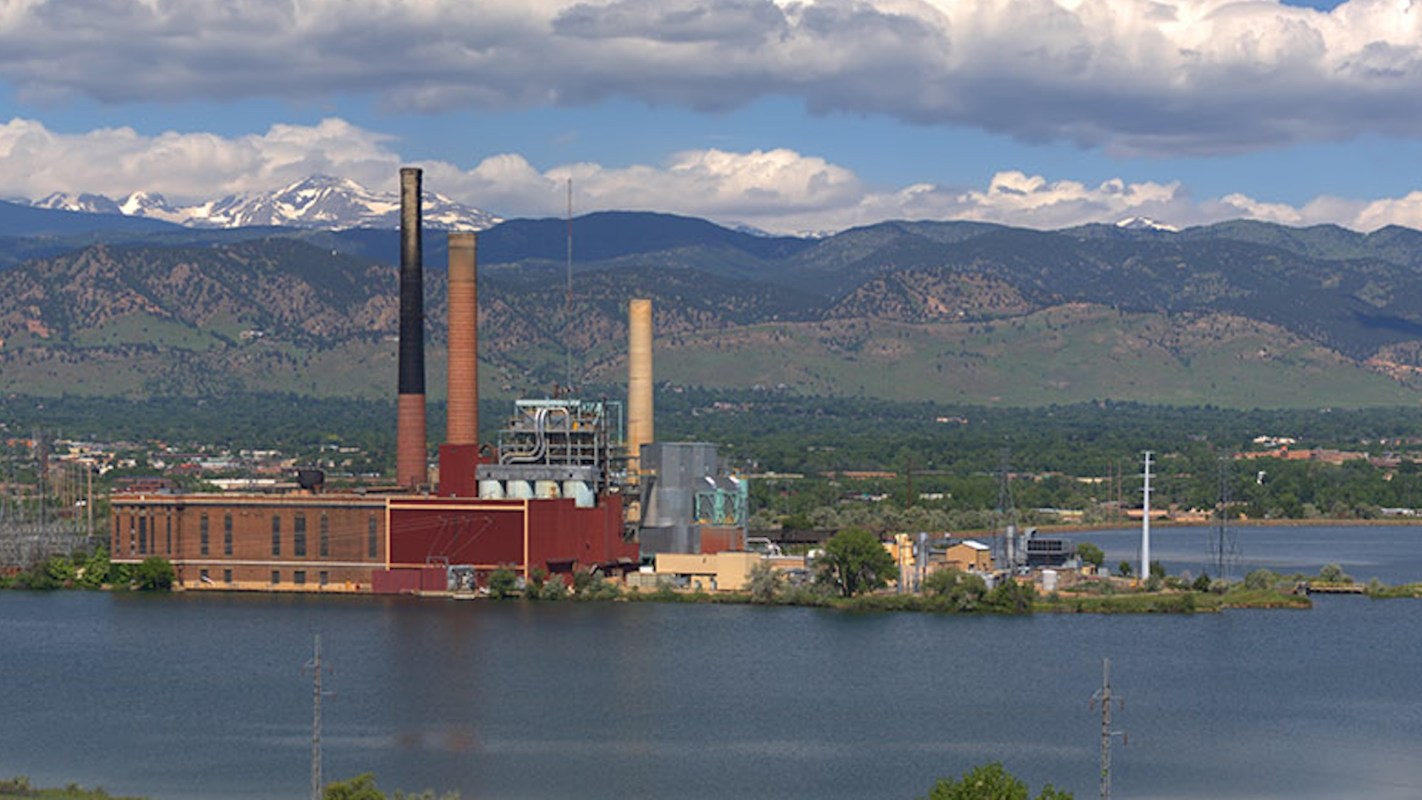
If regulators sign off, Colorado could soon get its first groundwater extraction system aimed specifically at coal ash contamination, with construction potentially starting by late summer.
According to Boulder Reporting Lab, state officials are reviewing Xcel Energy's final proposal for an effort to clean up decades' worth of groundwater pollution tied to coal ash dumping near Boulder. However, critics point out that the proposed utility may be leaving out a major part of the problem.
What's happening?
According to Boulder Reporting Lab, contamination from coal ash at Xcel's Valmont Power Station has already spread outside of company property. Over nearly a century of coal burning, the site produced about 1.6 million cubic yards of ash, much of it placed in landfills east of Boulder.
This ash contains toxic pollutants, including arsenic, lead, and chromium. Xcel's proposed remedy would pump tainted groundwater from beneath the site into tanks and then haul it away for treatment and disposal.
Sydney Isenberg, an Xcel spokesperson, said that right now, the company is waiting for state approval on the final design for this proposed solution. Boulder Reporting Lab reported that installation could begin in late summer and continue through the fall.
Erin Dodge, a water quality program coordinator with Boulder County Public Health, told Boulder Reporting Lab, "The timely installation of a well-designed groundwater treatment system is critical to help prevent the continued or further spread of groundwater contamination."
TCD Picks » Quince Spotlight
💡These best-sellers from Quince deliver affordable, sustainable luxury for all




Why does it matter?
A central concern is whether the pollution is coming from more than the landfill targeted in Xcel's plan.
Boulder Reporting Lab notes the issue of "legacy landfills" that were exempt from federal coal ash cleanup rules set by the Environmental Protection Agency. Northeast of the Valmont Power Station is one of these legacy landfills, and it might also be leaking, but Xcel was not required to monitor it the same way it monitored the newer 1993 landfill, as it is exempt from federal rules.
In a 2024 work plan, the company said that "potential contributions from the Legacy Landfill to the groundwater quality is unknown."
Boulder Reporting Lab also reported that Xcel has found lithium above safe levels in at least one homeowner's well and that company documents show two separate groundwater plumes moving away from the site and affecting other residential wells. Critics warn that if one landfill is addressed while the other remains in place, contamination could continue for years.
What's being done?
Xcel says the cleanup system is meant to capture polluted groundwater no matter which landfill it came from. The proposal uses extraction wells and collection trenches to intercept contamination before it spreads farther. Extraction wells pump contaminated water up from the underground, and collection trenches rely on gravity to funnel water to transport to lift stations.
Xcel states that it also includes a water augmentation plan intended to offset groundwater depletion and, as Boulder Reporting Lab reported, protect downstream rights on Boulder Creek and South Boulder Creek. The company says the extraction process shouldn't affect residential wells.
The design also includes overflow alarms, secondary containment around storage tanks, buried pipes, and lined conveyance systems. If approvals stay on schedule, construction would take five to seven months, and operations could begin in early 2027, according to Boulder Reporting Lab.
Environmental advocates say that still may not be enough if the second landfill is left untouched.
Abel Russ, a lawyer with the Environmental Integrity Project, said, "They're ignoring what may be an equal contributor to the contamination." He warned that "they could get stuck in this perpetual process of pumping and treating groundwater that doesn't get cleaner."
"This will impact the Valmont site because the previously unregulated ash areas will again be unregulated," said Lisa Evans, senior counsel with Earthjustice.
As Russ said, "That's exactly why it's a problem."

Get TCD's free newsletters for easy tips, smart advice, and a chance to earn $5,000 toward home upgrades. To see more stories like this one, change your Google preferences here.






