


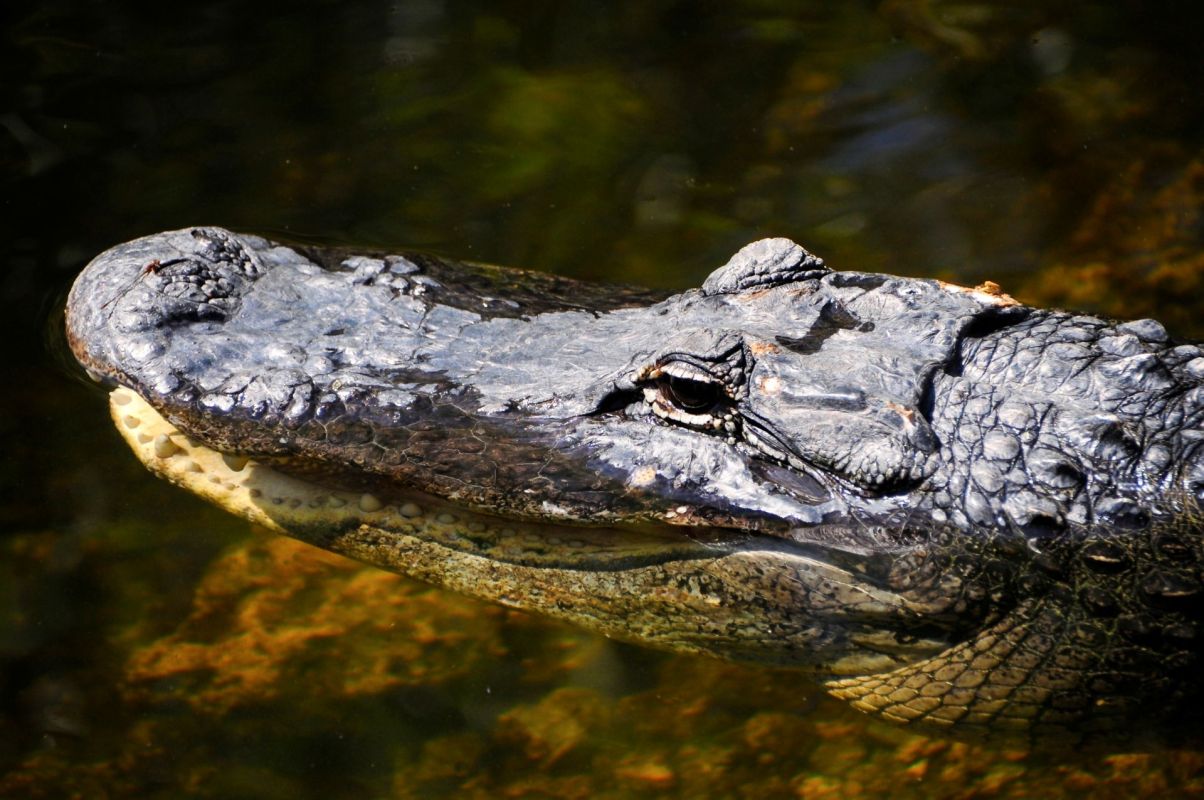
A Burmese python became the prey in a recent Everglades sighting when an alligator was seen eating and carrying off the invasive snake.
The scene was recorded by a cyclist, and the video shows that native animals can still sometimes gain the upper hand over invasive species that have severely disrupted South Florida's ecosystem.
What happened?
The encounter took place Aug. 1 in the Shark Valley area, according to the Naples Daily News and NBC. Cyclist Alison Joslyn spotted the alligator with the python in its jaws while riding through the area, which is known for wildlife viewing and its 15-mile loop road.
The alligator bit into the snake and then moved off through the water, still clamped in its mouth. The sighting was roughly 40 miles from the migrant detention facility in Ochopee, nicknamed Alligator Alcatraz.
Across Florida, the alligator population is estimated at about 1.3 million, and Burmese pythons now occupy more than 1,000 square miles in South Florida.
Why does it matter?
The video is especially notable because Burmese pythons are not native to Florida, and their spread is tied directly to human activity. According to the U.S. Geological Survey, many of the snakes arrived through the pet trade before being intentionally or accidentally released into the wild.
TCD Picks » Quince Spotlight
💡These best-sellers from Quince deliver affordable, sustainable luxury for all




In the Everglades, snakes have become among the most harmful invasive animals. They feed on native wildlife ranging from small mammals to deer, and a 2012 study connected them to steep declines in raccoons, opossums, bobcats, foxes, and rabbits in parts of the ecosystem.
A single alligator eating a single python will not fix that problem, but the encounter does indicate that native predators sometimes do prey on them.
When people alter ecosystems, whether by releasing exotic pets or building farther into wild spaces, interactions between animals and humans become increasingly consequential.
What's being done?
Florida wildlife agencies, researchers, and private removal teams have spent years trying to get a handle on the python problem. Hunters and biologists have removed some enormous snakes, including a 19-foot Burmese python captured in 2023 and a nearly 18-foot, 215-pound female documented in 2022.
Researchers are also tracking the species to better understand where it is spreading and how it survives. As the USGS has reported, Burmese pythons "can survive in and utilize a variety of habitats found in the region, and many of these areas are difficult to access and effectively survey."
The state also continues monitoring where pythons are established, since their range now extends across major protected areas such as Everglades National Park and Big Cypress National Preserve.
"I stayed and watched it for quite a while as it was struggling to eat the python," Joslyn said.

Get TCD's free newsletters for easy tips, smart advice, and a chance to earn $5,000 toward home upgrades. To see more stories like this one, change your Google preferences here.







