


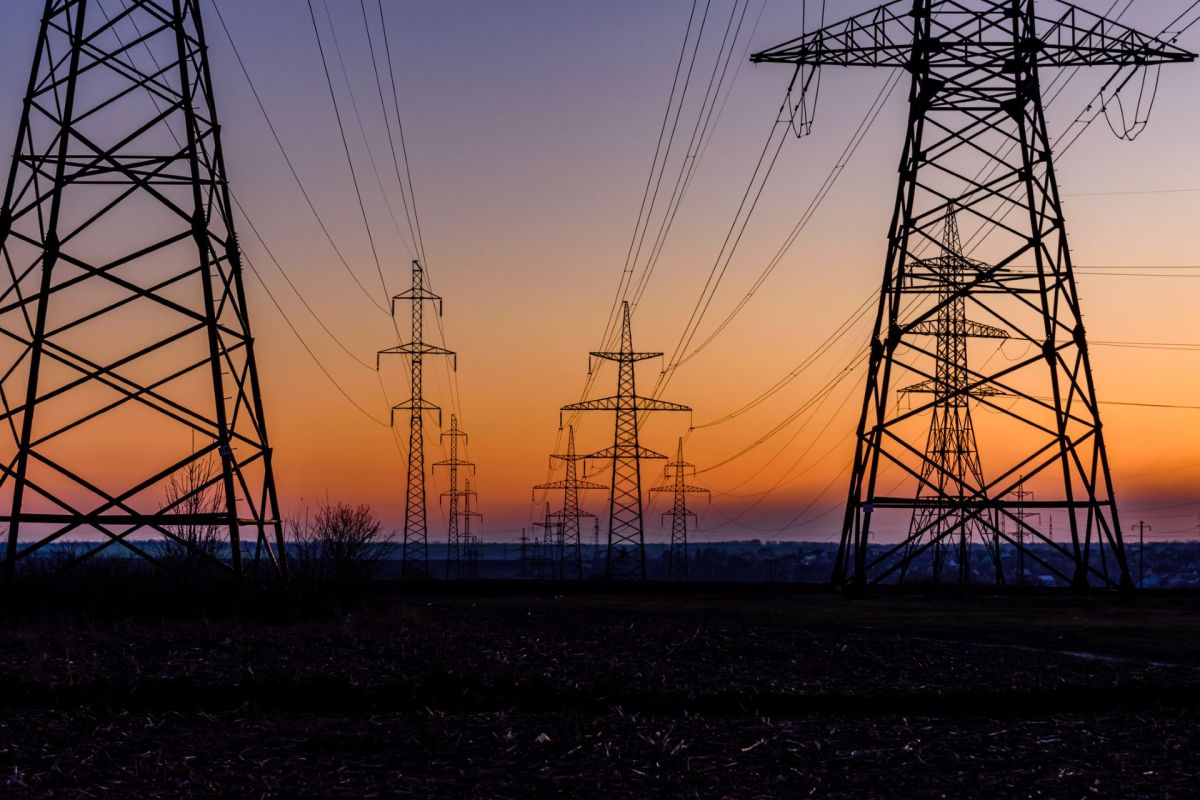
Artificial intelligence's enormous appetite for electricity is colliding with a federal retreat from wind, solar, and other relatively inexpensive ways to add new power in the United States.
If that gap keeps widening, households could wind up paying several hundred dollars more for electricity in the years ahead.
What's happening?
Americans could end up paying more than half a trillion dollars extra on energy bills by 2040 because of President Donald Trump's moves against wind, solar, electric vehicles, and home energy incentives, according to a new analysis from Energy Innovation cited by CNN.
The same Energy Innovation modeling projects about $460 in additional annual energy costs for the average household in 2035, rising to $490 by 2040.
Those projections arrive as electricity is already getting pricier: CNN said rates are up 7.4% nationwide since last fall, and more than a dozen states have seen double-digit year-over-year increases.
Energy Innovation senior director of modeling and analysis Robbie Orvis said the timing of the policy change could hardly be worse.
TCD Picks » EDF Spotlight
💡EDF's Vital Signs newsletter delivers stories about game-changing solutions close to home and around the world

"There's just a direct line from that set of policies to increasing energy bills," Orvis said.
Administration officials pushed back on the report. White House spokesperson Taylor Rogers called it a "fraudulent analysis," while Department of Energy spokesperson Ben Dietderich said the administration is "working relentlessly" to reverse those policies, according to CNN.
Why does it matter?
For families already juggling high costs, steeper power bills can add real pressure, especially in hot weather when air conditioning is a health necessity, not a luxury.
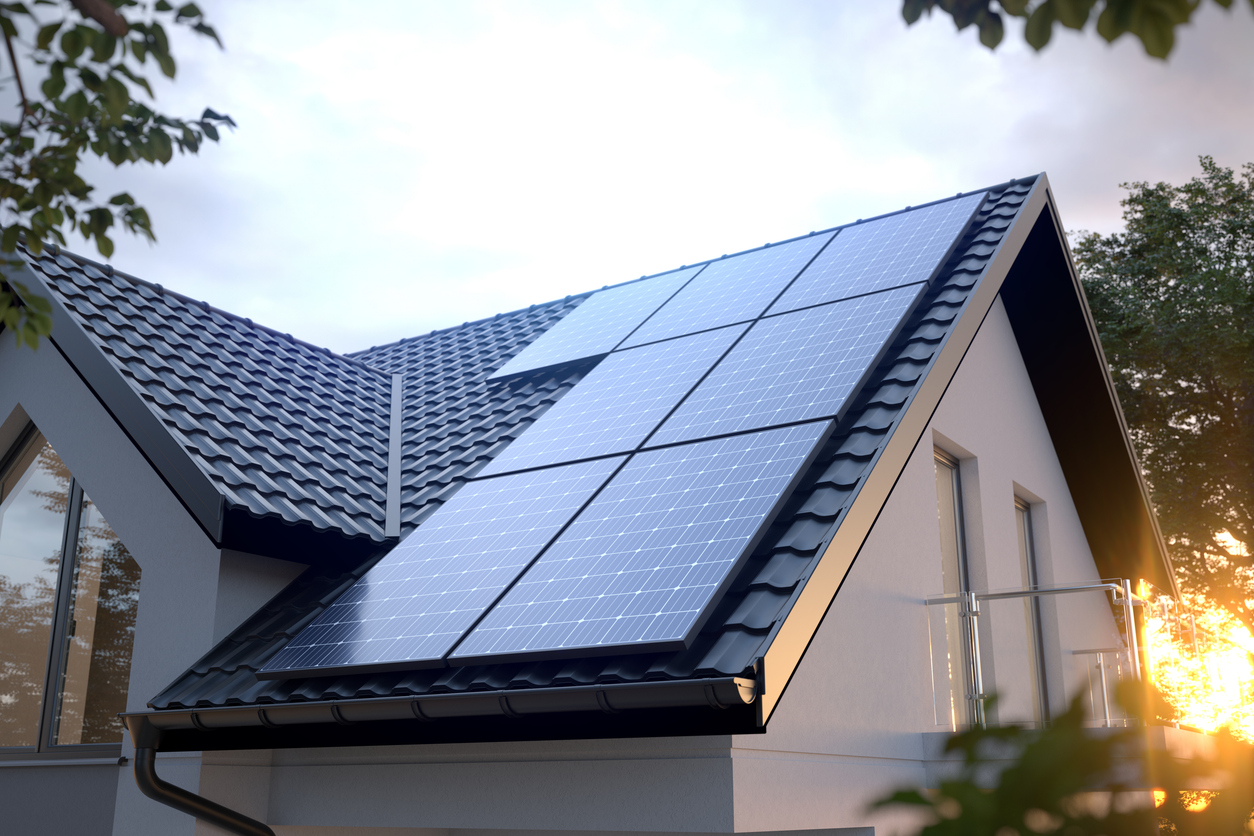
Solar and battery storage supplied 91% of new power added in the first quarter, CNN reported. Because those technologies are often among the quickest and least expensive options for adding generation capacity, they are especially important as AI and data centers rapidly drive up demand.
TCD Picks » Quince Spotlight
💡These best-sellers from Quince deliver affordable, sustainable luxury for all




Energy Innovation said tax-credit changes could trigger a "solar cliff" after 2030 by sharply slowing new deployment.
Meanwhile, the administration has supported keeping aging coal plants operating longer, even though coal is now often costlier than renewables and natural gas.
The analysis also estimated that direct healthcare-related costs could be $43 billion higher by 2040, according to CNN, largely because pollution from coal plants can worsen childhood asthma and other health problems in nearby communities.
What's being done?
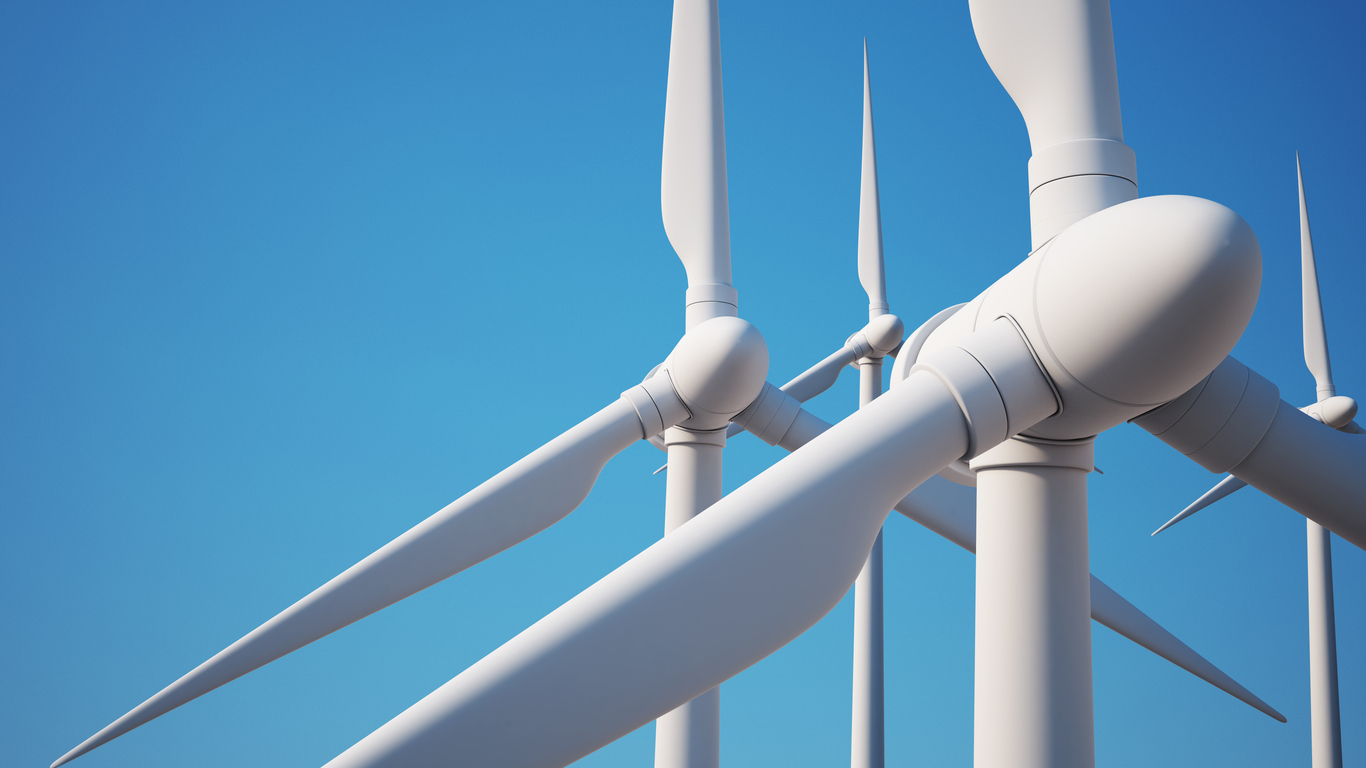
Even as federal support winds down, developers are trying to get projects finished before it disappears. As CNN reported, Energy Innovation still expects 170 gigawatts of new solar and 43 gigawatts of wind to come online from 2026 to 2030.
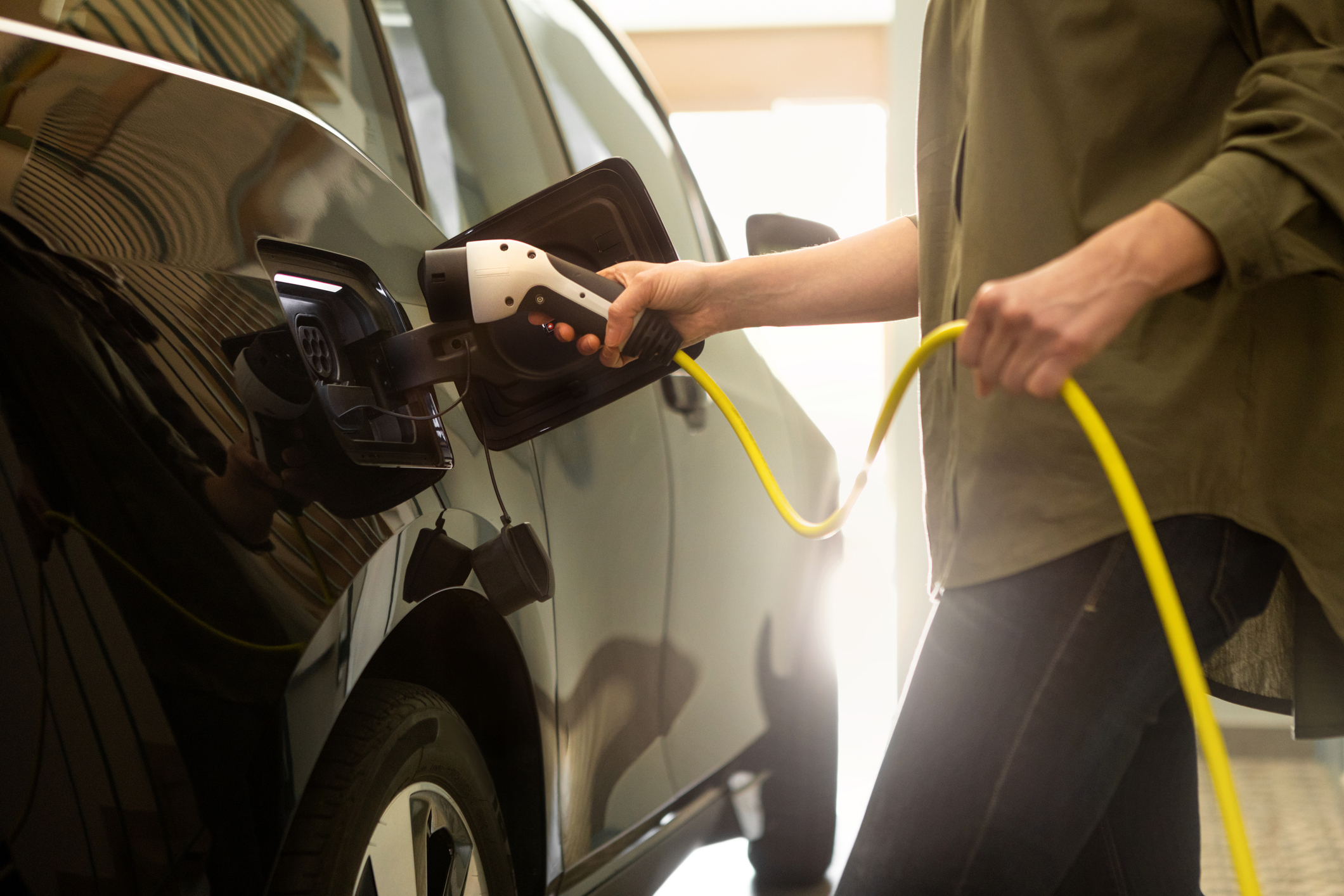
The EV market may grow more slowly, but it is not vanishing. Federal tax credits for new and used EVs were reduced, yet CNN said the used EV market has stayed strong as more former lease vehicles reach buyers. That could still give budget-conscious drivers a lower-cost alternative to volatile gas prices.
Some places still offer state or utility incentives for energy-efficiency upgrades, and some solar and battery projects are continuing before the incentive picture shifts again.
As electricity demand surges, cutting back on lower-cost clean energy makes it harder to bring affordable power online quickly and pushes a cleaner, more affordable future farther away for many communities.

Get TCD's free newsletters for easy tips, smart advice, and a chance to earn $5,000 toward home upgrades. To see more stories like this one, change your Google preferences here.






