


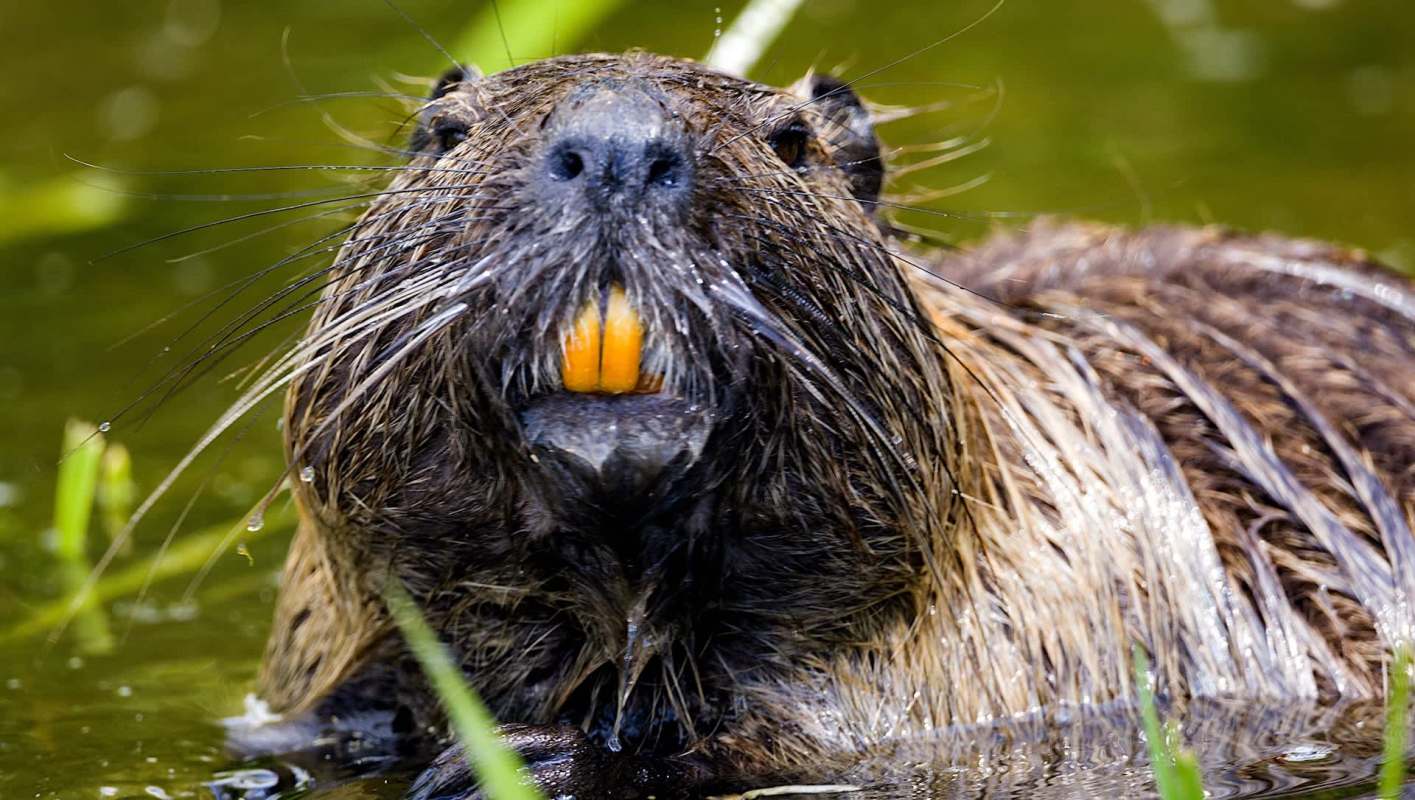
For National Invasive Species Week, the U.S. Fish and Wildlife Service is promoting an unusual idea: put giant nutria on the menu.
While the slogan may sound playful, the environmental damage caused by these oversized rodents is a serious problem for wetlands across the country.
What's happening?
The recommendation came in an agency social media post, which presented eating nutria as a way Americans can help native ecosystems, Smithsonian Magazine reported.
In an effort to control destructive nonnative species, the agency wrote, "Please consider the following slogan: 'Save a Swamp, Saute a Nutria.'"
Originally from South America, nutria are large semiaquatic rodents that arrived in the United States through the fur trade in the late 1800s. When that market collapsed in the 1940s, many were released, allowing wild populations to grow quickly.
Wild nutria are now found in areas including the Gulf Coast, the Southeast, the Atlantic Coast, the Pacific Northwest, and California. In Louisiana, before a control program was introduced, the state's Department of Wildlife and Fisheries estimated that they had damaged as many as 102,585 acres, Smithsonian Magazine reported.
TCD Picks » Quince Spotlight
💡These best-sellers from Quince deliver affordable, sustainable luxury for all




The rodents are especially destructive to marshes because they consume huge amounts of vegetation and burrow into fragile wetlands. The Fish and Wildlife Service warned, "Their nonstop munching and burrowing destroy the plants that keep marshes stable, leading to erosion, loss of habitat and wetlands that look like something out of a disaster movie."
Why does it matter?
Wetlands do far more than provide habitat for wildlife. They also absorb floodwaters, reduce erosion, filter pollution, and support fisheries and local economies.
When invasive species tear through these ecosystems, nearby communities can lose natural protections that help buffer storms, flooding, and rising water levels.
By eating as much as a quarter of its body weight in plants each day, a single nutria can leave marshes less stable and less able to support birds, fish, and other native species.
Thomas Gehring, an ecologist at Central Michigan University, summed up the threat in comments to Rachel Ross at Live Science in 2023, shared by Smithsonian Magazine.
"As an exotic invasive species in our North America wetlands, they can be especially destructive, since plant species did not evolve with this forager," Gehring said.
What's being done?
The Fish and Wildlife Service has said nutria meat is "lean, mild and tastes like rabbit" or like the dark meat of a turkey, while the Louisiana Department of Wildlife and Fisheries has shared recipes for nutria gumbo, nutria jambalaya, and even "heart healthy Crock-Pot nutria."
Similar campaigns have targeted other invasive species. People have been encouraged to eat invasive lionfish in the western Atlantic, as well as New England's European green crabs and Asian shore crabs. The agency also recommended consuming other invasive animals such as northern snakehead fish, invasive varieties of carp, green iguanas, and feral hogs where legal.
Anyone considering hunting invasive species for food should follow local regulations, prepare the meat safely, and ensure the animal is correctly identified. That is especially important with nutria, which can resemble native beavers and muskrats.
Eating invasive species can support restoration efforts. It is not a complete solution to the invasive-species crisis, but it can help reduce pressure on sensitive habitats and support communities working to protect the ecosystems they depend on.

Get TCD's free newsletters for easy tips, smart advice, and a chance to earn $5,000 toward home upgrades. To see more stories like this one, change your Google preferences here.







