


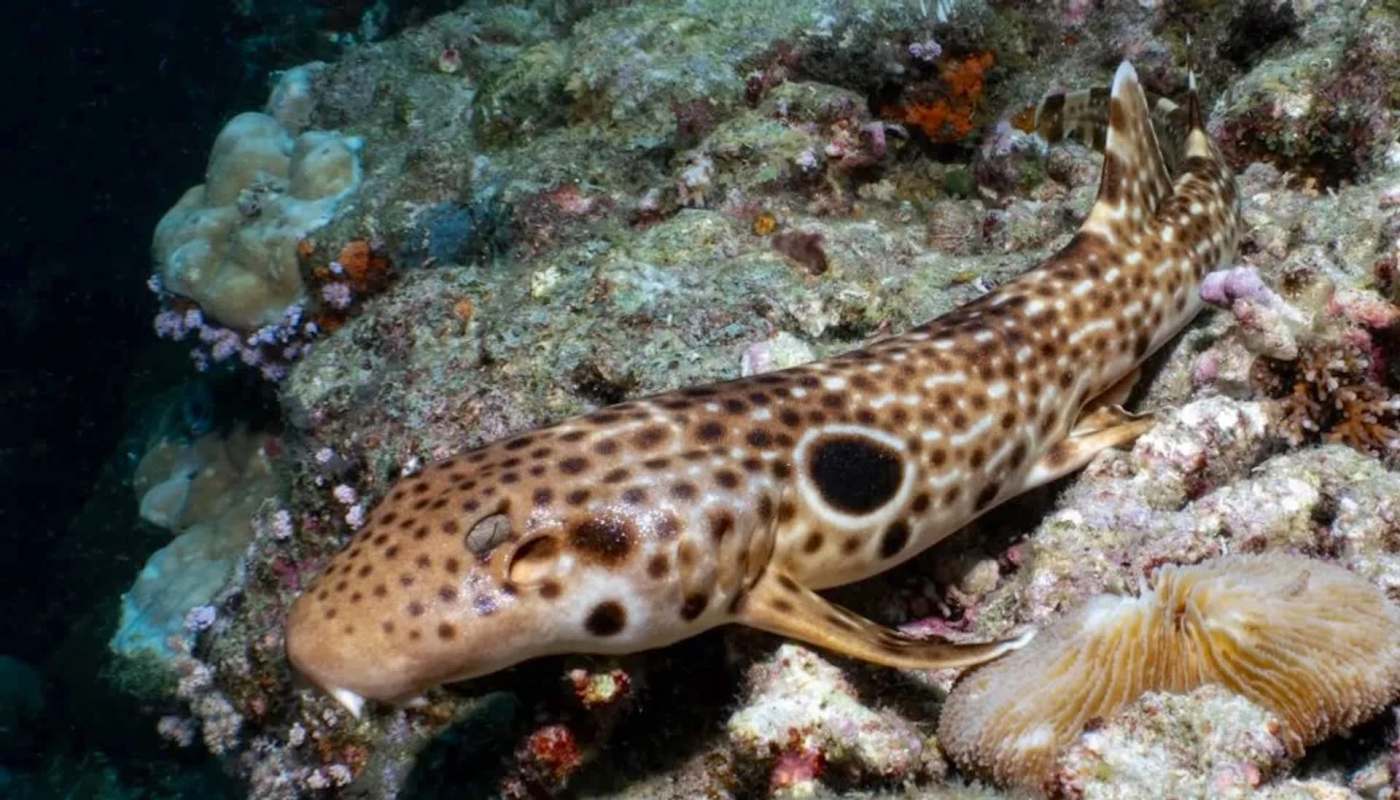
Researchers in Papua New Guinea have made a rare discovery in the unusual group known as walking sharks, but the find raises immediate conservation concerns.
Scientists say the small reef shark is the 10th walking shark species on record and could be at risk of extinction because it appears to occupy only a limited range.
What happened?
While conducting a night dive in Milne Bay, Papua New Guinea, a research team that included marine scientist Jessica-Ann Blakeway and University of the Sunshine Coast marine biologist Christine Dudgeon spotted a shark with markings unlike any they had previously documented in walking sharks, according to Discover.
This shark stood out to the scientists with its brown freckling, white spots, white dashes, and a distinct eye-like marking behind its head.
"Straight away I [recognized] that the [color] pattern was different from any of the other species I had worked with before," Blakeway said in a press release.
Researchers returned for two more dives in March 2025 and found 12 additional sharks with the same markings. Genetic testing later showed they were a separate species, now named the Dudgeon walking shark, or Hemiscyllium dudgeonae, after Dudgeon.
TCD Picks » Quince Spotlight
💡These best-sellers from Quince deliver affordable, sustainable luxury for all




Why does it matter?
Unlike most sharks, walking sharks get around the seafloor with a crawling motion, and they can stay out of the water briefly while crossing exposed reefs by lowering their breathing and heart rates as they're in the air. They typically grow to about 3 feet long and aren't considered a threat to humans.
These sharks live in shallow reef areas around Australia and New Guinea, where they hunt small prey such as crabs and fish trapped in tidal pools.
The newly identified shark is already considered at risk because deep-water barriers separate its habitat from other walking sharks, leaving its population isolated and vulnerable. In addition, stronger governmental policies are also important to safeguard threatened ocean wildlife. Florida has tightened rules on capturing other threatened sharks, requiring stricter review and approval to help prevent wildlife removal and protect ocean ecosystems.
What's being done?
Researchers formally described the species in the Journal of the Ocean Science Foundation, laying the groundwork for future monitoring, habitat protection, and conservation planning.
Walking sharks tend to have small ranges, and their egg cases rest on the seafloor, leaving them exposed to environmental disruption. Knowing exactly where one species lives — and how it differs from nearby species — can help guide reef management.
Locals call the Dudgeon walking shark kadedekedewa, meaning "lazy shark" or "dog shark."
Blakeway said the discovery should also serve as a warning: "The new species is the 10th in the PNG epaulette genus (group of species). Five are already listed as threatened with extinction on the IUCN Red List under criterion B (which relates to their restricted geographic range) – a criterion that only applies to three percent of all sharks."

Get TCD's free newsletters for easy tips, smart advice, and a chance to earn $5,000 toward home upgrades. To see more stories like this one, change your Google preferences here.






