


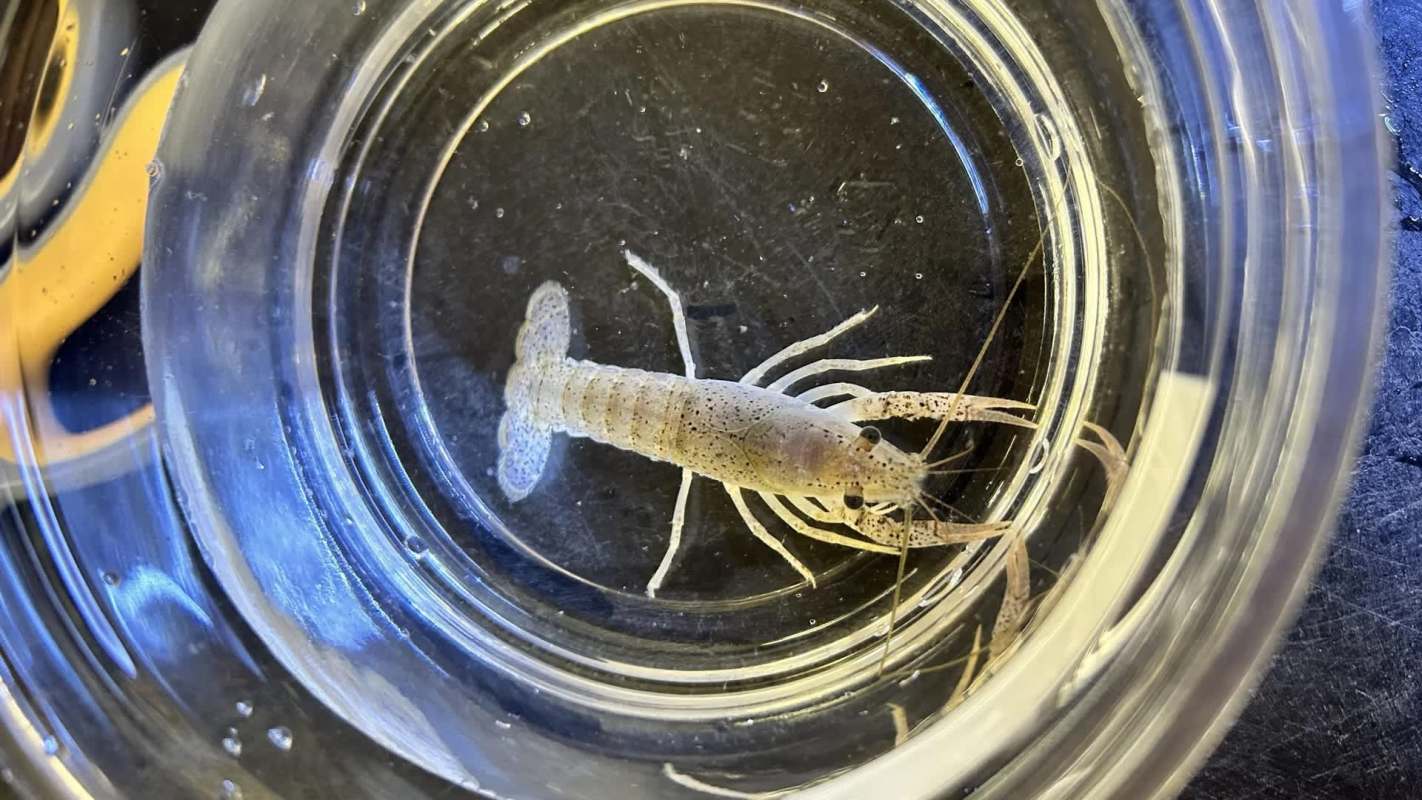
A bulk goldfish order arrived with an unexpected hitchhiker: a live crayfish.
That stray crustacean quickly set off alarms, raising concerns that it might be an invasive species capable of reproducing without a mate.
What happened?
The concern centered on a Reddit plea for a rapid identification after the original poster spotted the animal among feeder fish. The posted photo shows a light-colored, speckled crayfish isolated in a jar of water.
As people weighed in, the discussion shifted from a simple shipping mix-up to the possibility of an ecological threat.
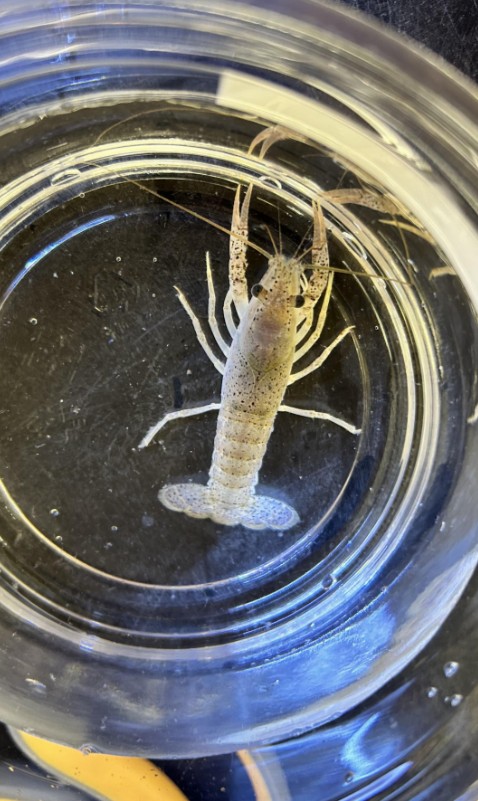
"Not an expert but I believe your panic is well placed," one commenter wrote. "It appears to be some kind of marbled crayfish. Illegal where I live."
Another warned, "Females can reproduce through parthenogenesis."
TCD Picks » Quince Spotlight
💡These best-sellers from Quince deliver affordable, sustainable luxury for all




Because marbled crayfish can reproduce by cloning themselves, releasing even one could be enough to start a new population.
An aquatic invasive species program manager added that the crayfish "could easily be P. acutus (white river)... or P. virginalis (marbled)... given that it came from the aquarium trade the chances of it being a native ecotype are very slim."
Later, the original poster said the seller had apparently mixed crayfish into goldfish orders before, prompting more questions about how often commercial shipments may move species by accident.
Several commenters urged OP to contact their local fish and wildlife department so officials are both aware and have time to proactively contain a suspected invasive species.
Why does it matter?
Cases like this show how animals can wind up causing problems well beyond their native range because of human activity. Pet releases, bait dumping, and routine shipping have all helped make the aquarium trade a significant route for invasive species.
Once an invasive crayfish gets loose, whether by escape or deliberate release, it may outcompete native animals for food and space, upset aquatic habitats, and spread before wildlife agencies have time to react. If the species is marbled crayfish, a lone individual could potentially found a breeding population.
The result can include harm to fisheries, changes to waterways, and higher control costs that taxpayers often share.
What's being done?
People in the discussion emphasized handling the animal carefully and acting quickly. The aquatic invasive species program manager said, "The best thing to do is unfortunately to kill it. Contacting the relevant environmental agency is advisable."
The usual advice for a potentially invasive organism is simple: don't release it or transfer it to another body of water, and alert the appropriate authorities so they can monitor any possible spread. And if a vendor is repeatedly sending mixed-species shipments, reporting them could help regulators spot a wider compliance issue.

Get TCD's free newsletters for easy tips, smart advice, and a chance to earn $5,000 toward home upgrades. To see more stories like this one, change your Google preferences here.






