


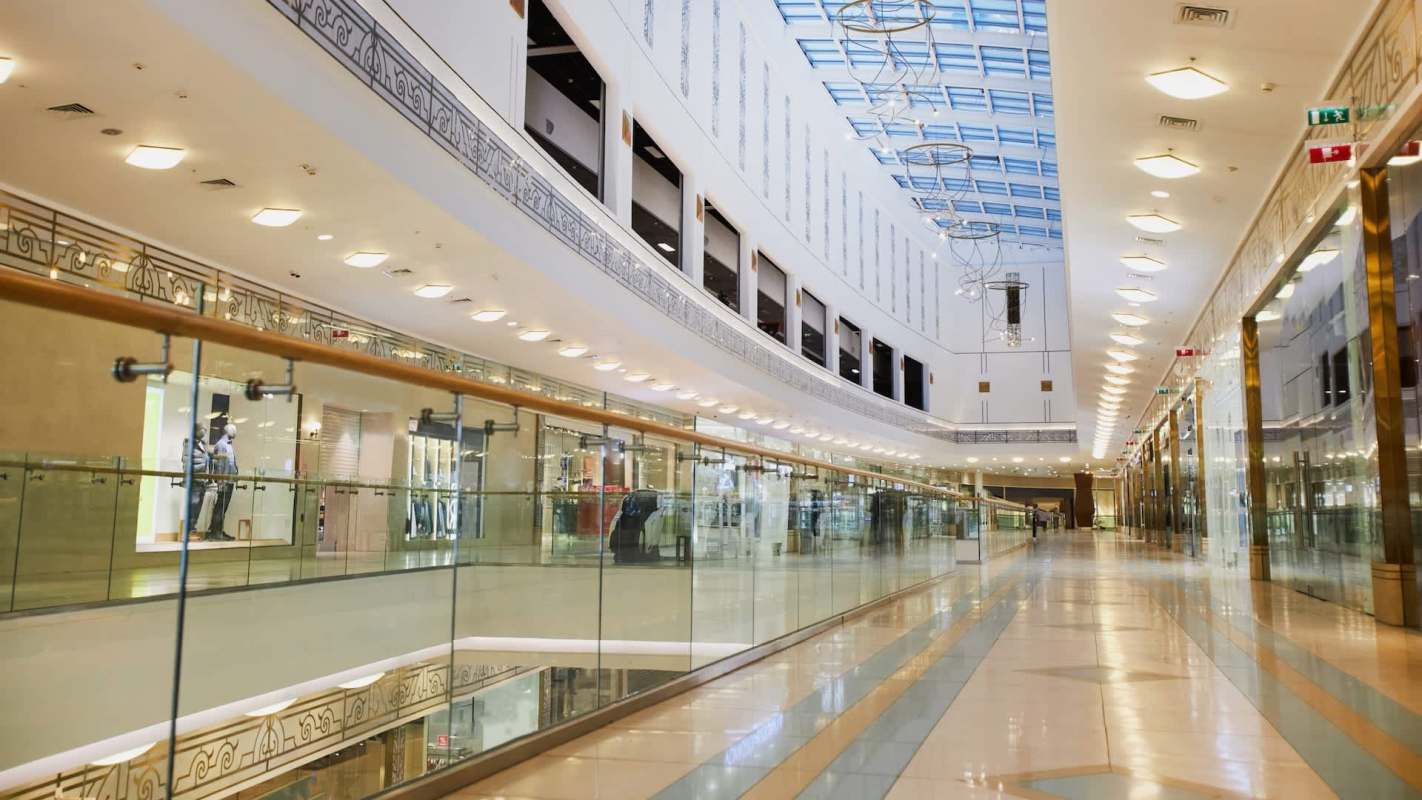
For years, predictions about online shopping centered on a coming collapse of U.S. storefronts. Research on purchases of everyday essentials, however, suggests that brick-and-mortar retail proved much more resilient than those warnings implied.
What's happening?
Between 2004 and 2019, Uyen Tran of Arizona State University — a Chicago Booth PhD alum — studied how the expansion of broadband access changed consumer shopping behavior.
Using NielsenIQ Retail Scanner Data, Tran analyzed millions of transactions across packaged staple categories such as food, beverages, and household products, as reported by the Chicago Booth Review.
Across about 900 product categories and over 40,000 brands, household behavior shifted as broadband adoption climbed 44%. Visits to specific brick-and-mortar stores fell 17%, and total yearly shopping trips dropped from 170 to 146, a decline of roughly 14%.
E-commerce gained greater popularity over that stretch, though from a small starting point. According to the Chicago Booth Review, the share of online spending rose from 1% to 4%, while average annual household spending in physical stores remained relatively stable, rising only from about $7,100 in 2004 to $7,500 in 2019.
Tran still estimated roughly an 11% decline in overall offline spending, indicating that internet shopping altered in-person retail without displacing it entirely. The study also found little evidence that expanding broadband significantly affected retailers' overall pricing, with average prices and pricing strategies remaining largely stable.
TCD Picks » Quince Spotlight
💡These best-sellers from Quince deliver affordable, sustainable luxury for all




Why does it matter?
If the so-called retail apocalypse has been overstated, physical stores still play an important role in supporting jobs, maintaining neighborhood access to essentials, and contributing to the tax base many cities rely on.
Many households are shopping online more often, but they have not abandoned stores for many goods that are better to see in person. That means retailers still have room to compete with online shopping, if they do it in ways that separate them from their online counterparts.
What can I do?
For retailers, the study points more toward adaptation than retreat. Stores that combine digital convenience with dependable in-person service — through pickup options, easier returns, or stronger inventory for essentials — may be better positioned than businesses that assume malls and storefronts are simply doomed.
The researchers also noted that retailers could tailor their strategies to different shoppers — younger customers may respond to faster checkout and mobile-friendly features, while older shoppers could be interested in more personalized assistance and easier-to-use digital tools.
Rather than showing a rapid collapse, Tran's results point to a shift that was "slow and steady rather than fast and furious," with broadband having a "meaningful but not wholesale effect on offline spending."

Get TCD's free newsletters for easy tips, smart advice, and a chance to earn $5,000 toward home upgrades. To see more stories like this one, change your Google preferences here.






