


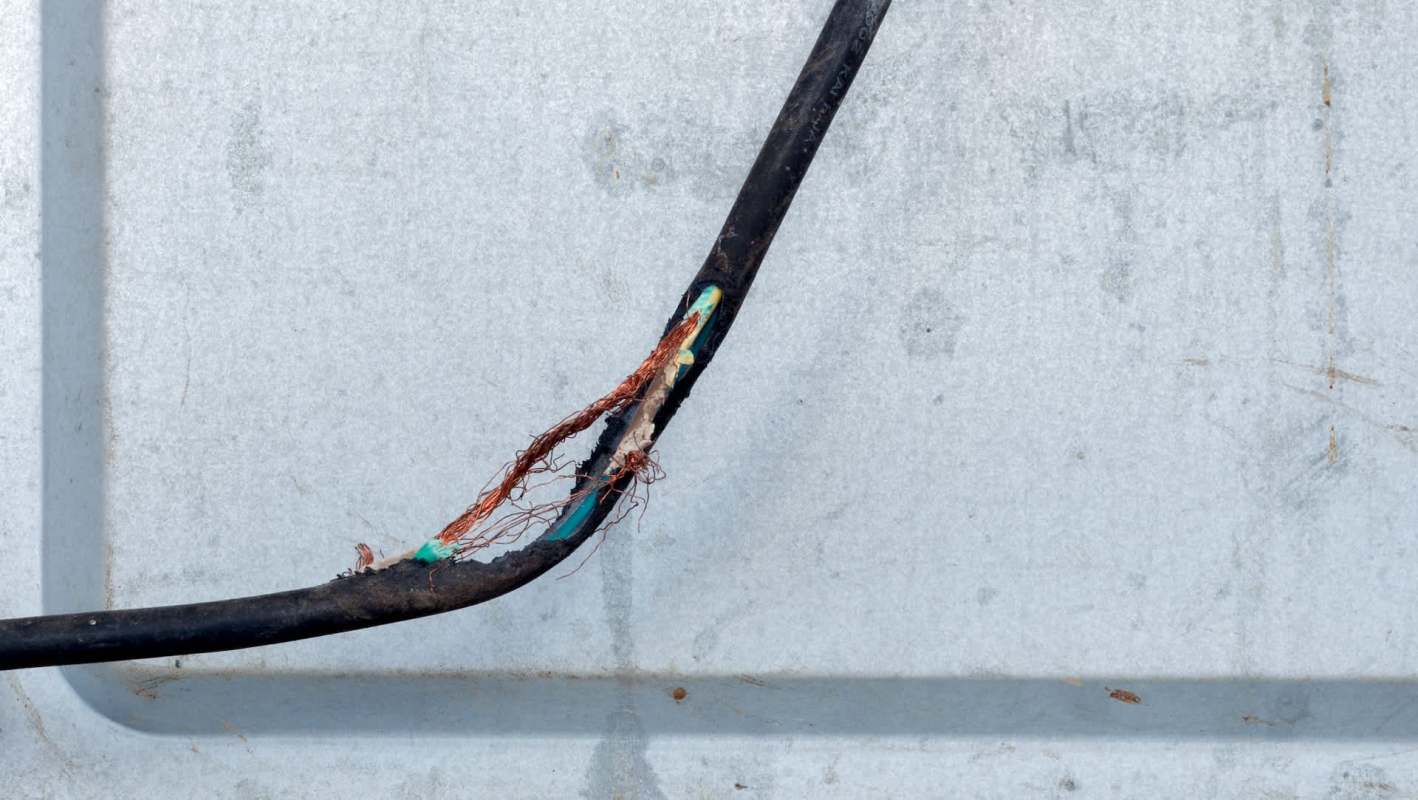
A rooftop solar system can give you amazing savings on your house's power bill over many years — until wildlife finds a way underneath it.
That was the warning from one homeowner who said squirrels chewed through solar wiring, took panels offline, and turned a money-saving upgrade into an unexpected repair project.
What happened?
In a post on Reddit's r/solar, a homeowner said an installer traced a drop in output to squirrel damage beneath the array after part of the setup stopped working.
The homeowner wrote that the animals had "chewed through the insulation on the wires under them exposing the metal in the wires to the elements."
To make the repair, the installer had to remove multiple panels, replace the damaged wiring below, reinstall the panels, and then install critter guards to help prevent another intrusion.
The post prompted similar stories from other solar owners.
TCD Picks » Quince Spotlight
💡These best-sellers from Quince deliver affordable, sustainable luxury for all




One commenter wrote, "I had 10 panels replaced. Learned the very hard way." Another said how they can relate to the poster's misfortune — "Same - I had to have 24 panels re-wired… and had them add critter guard. If you have squirrels then you really need critter guard around all of the panels, IMO."
Some commenters said animal damage is common enough in their regions that critter guards are included by default, while others said they rarely run into the problem.
Why does it matter?
Solar panels are often installed to reduce utility bills and provide more predictable energy costs over time — one study found that they may save the average homeowner over $37,000 in a 25-year period. When part of an array goes offline without a person noticing, those savings can shrink, and the household may end up buying more electricity from the grid while the system underperforms.
Repair costs can also add up quickly.
One commenter said repairs for damaged wires cost about $500 and also noted that their installer quoted $2,900 for critter guards. They also explained how they instead decided to stop the problem at the source for cheaper: "I paid my landscaper about $350 to prune back the trees that the squirrels were using to access my roof."
Even if prices vary depending on roof design and local labor rates, those are expenses many homeowners may not budget for when going solar.
There is also a reliability concern. Exposed wiring on a roof can lead to bigger maintenance issues, and animals nesting beneath panels may keep returning if nothing changes.
What can I do?
The original poster advised, "If you ever have squirrels running across your roof, install critter guards around your panels." Other commenters said pruning back tree branches and considering heavier-gauge barriers in raccoon-prone areas can also help reduce the risk.
If you already have solar, check your monitoring app regularly to spot dips in production sooner. Catching a problem quickly could mean fewer lost savings and a smaller repair bill.
If you are still planning a system, ask installers whether critter guards are included, optional, or recommended for your neighborhood. And if you're comparing bids, EnergySage can help you go solar with its free tools and save you up to $10,000 by comparing competitive bids from local installers. EnergySage's trusted and monitored partners will help you ensure your solar setup is resistant to environmental hazards such as squirrels and other rodents.
"Apparently chewing on wire insulation is something squirrels do," the original poster wrote.
In some areas, one commenter said about critter guards that "customers have to specifically ask that they be removed from the quotes."

Get TCD's free newsletters for easy tips, smart advice, and a chance to earn $5,000 toward home upgrades. To see more stories like this one, change your Google preferences here.






