


Study results indicate that signs of alpha-gal exposure are showing up in a substantial share of adults in some parts of the country.
What's happening?
Researchers at the Centers for Disease Control and Prevention analyzed 3,000 residual blood donor samples from 10 states collected between November 2024 and April 2025, CIDRAP reported. The findings were detailed in the CDC's Morbidity and Mortality Weekly Report.
The highest concentrations appeared in five states with high rates of the condition, where roughly 24% tested positive for related antibodies.
Across those five states, Arkansas posted the highest estimate at 31.2%. Missouri was second highest at 26%, and Virginia, Kentucky, and Tennessee each came in above 21%.
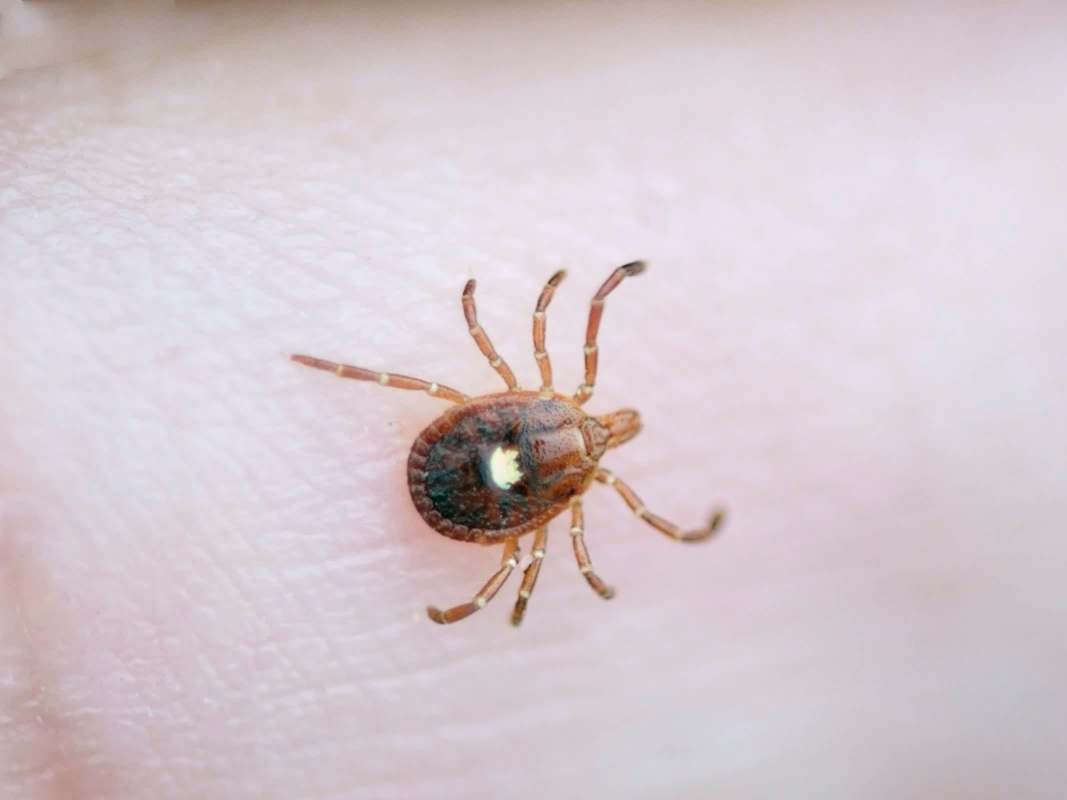
Alpha-gal syndrome, or AGS, is an allergy triggered by galactose-α-1,3-galactose, a sugar present in red meat, dairy products, and mammalian-derived byproducts such as gelatin. In the United States, the syndrome is most often associated with lone star tick bites, which can introduce alpha-gal through saliva.
Antibody prevalence was far lower in New Mexico and Washington state — 1.9% and 1.1%, respectively — and neither state has known lone star tick populations.
TCD Picks » Quince Spotlight
💡These best-sellers from Quince deliver affordable, sustainable luxury for all




Why does it matter?
Testing positive for alpha-gal antibodies does not, by itself, mean someone has alpha-gal syndrome.
That gap suggests exposure can be common in certain places even when the syndrome itself is much less prevalent. Researchers pointed to an estimate of about 450,000 U.S. adults with AGS, a total that is far smaller than that of the states with high levels of antibodies.
Symptoms of AGS can include hives, swelling, wheezing, digestive issues, and, in rare cases, death after consuming mammalian foods or products.
The study also identified patterns in antibody prevalence. Rates were lower among younger adults, higher among men, lower among Hispanic people than non-Hispanic people, and less common in densely populated counties.
What's being done?
The researchers said the findings could help identify places where alpha-gal syndrome may be underrecognized and that need more clinician education or surveillance. They also noted the need for careful diagnosis rather than treating every positive antibody test as proof of disease.
Standard tick precautions, like checking your skin after spending time outdoors and using protective clothing or repellents, can help lower risk. People who develop allergic symptoms after eating red meat, dairy, or other foods that come from mammals should contact a medical professional.

Get TCD's free newsletters for easy tips, smart advice, and a chance to earn $5,000 toward home upgrades. To see more stories like this one, change your Google preferences here.






