


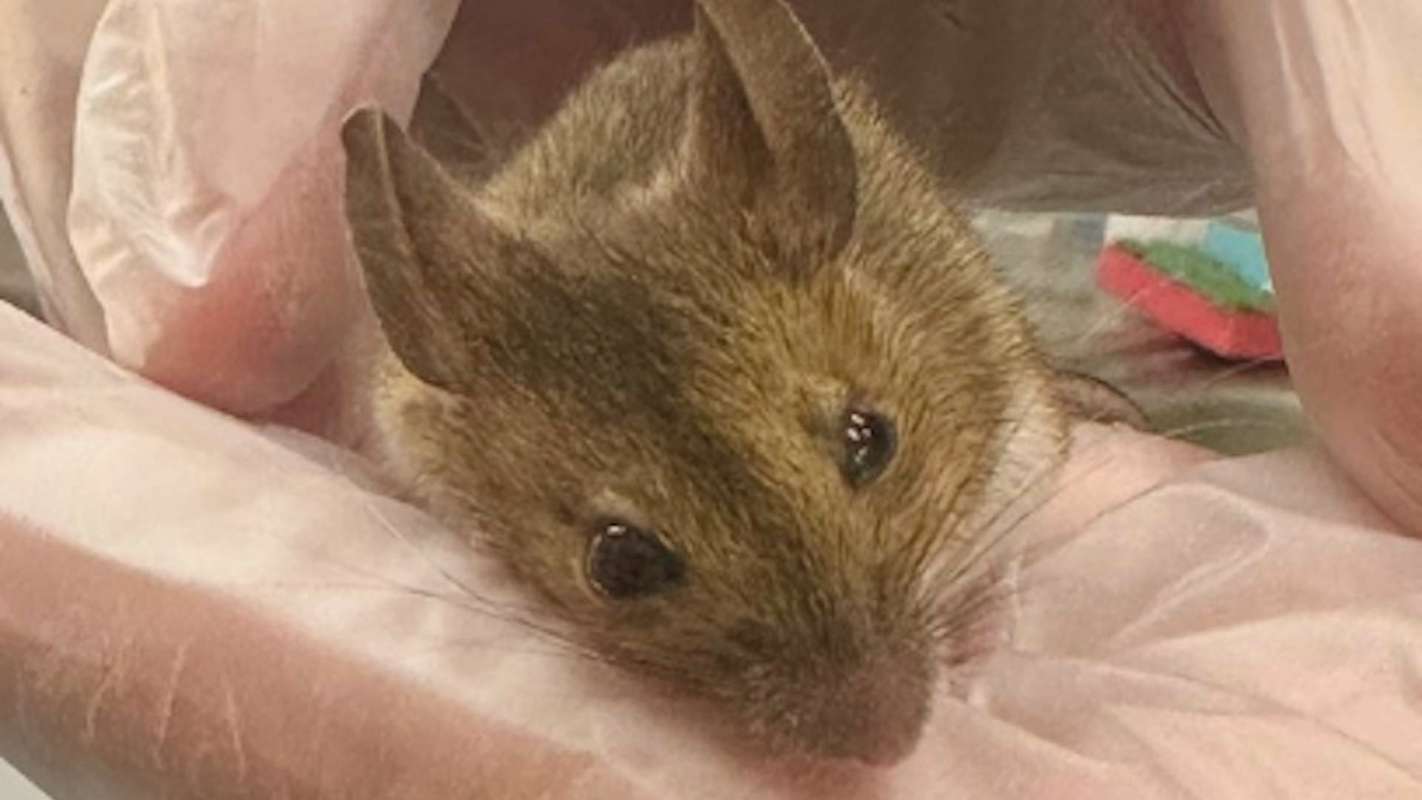
When Peach the rat was brought to a wildlife hospital, her condition was so grave that staff were unsure she would make it through the night.
By morning, though, she had started eating again, an encouraging change that also highlights the dangers of rat poison.
What happened?
According to an Instagram post by the Wildlife Aid Foundation (@wildlifeaid), staff believed poisoning may have been behind Peach's collapse. The rescue described her on arrival as "tiny, dehydrated, in pain and suffering from partial seizures."
Photos shared by the organization showed a frail little animal receiving close veterinary care. "This little girl should have been exploring the world...not fighting for her life," the foundation wrote.
Overnight care focused on keeping Peach stable. The Wildlife Aid Foundation said vet Judith provided "food, warmth, medication, and a safe place to rest for the night." By the following morning, Peach "had eaten all of her food, her seizures had stopped, and she was finally on the road to recovery."
Why does it matter?
The organization said Peach's ordeal is not unusual. It wrote that "cases like this are all too common" and warned that rodenticides "don't just affect rats — they also poison countless other wild animals."
TCD Picks » Quince Spotlight
💡These best-sellers from Quince deliver affordable, sustainable luxury for all




Poison does not stay confined to a single target. Small animals can suffer devastating effects quickly, and the rescue noted that "those first few hours are often the difference between life and death."
The issue also affects pets and families. "My chocolate Labrador was killed by rat poison. It was heartbreaking," one commenter shared. Another added, "Poison is so cruel, endangers wildlife and family pets, and I wish it was made illegal."
What can I do?
The Wildlife Aid Foundation recommended choosing humane alternatives. In practice, that can mean focusing first on prevention: sealing entry points, storing food securely, cleaning up spills, keeping trash contained, and removing easy access to shelter around homes and sheds.
If a rodent problem develops, safer approaches can include consulting local wildlife experts or pest professionals who prioritize nonpoisonous methods. The goal is to solve the issue without creating a larger one for birds, mammals, and pets that may come into contact with toxic bait or poisoned animals.

Get TCD's free newsletters for easy tips, smart advice, and a chance to earn $5,000 toward home upgrades. To see more stories like this one, change your Google preferences here.







