


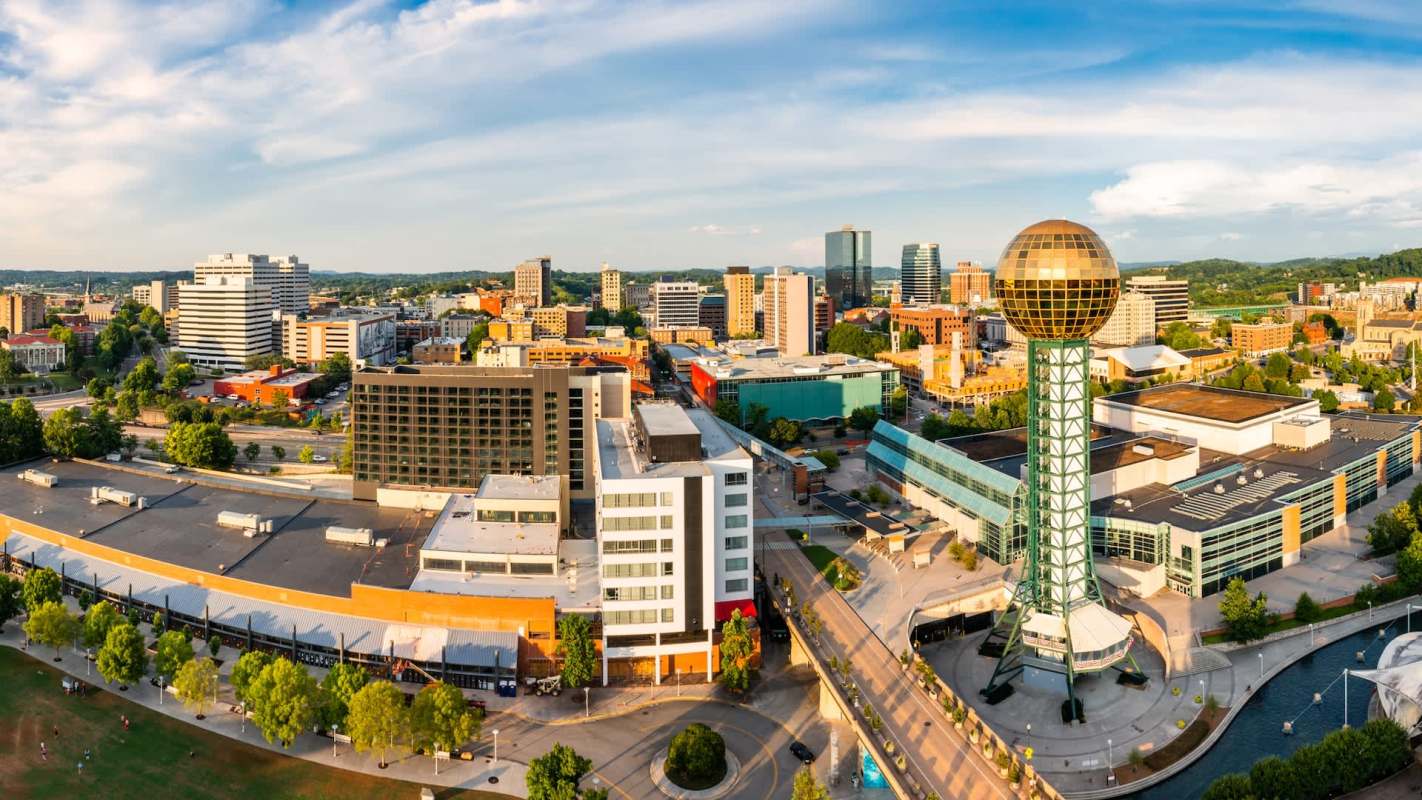
Knoxville, Tennessee, could temporarily slow one of the fastest-growing parts of the artificial intelligence economy. City officials are weighing an emergency, year-long halt to large data center projects as fears grow over how much electricity and water the facilities may require.
What's happening?
Any facility with a projected power draw of 10 megawatts or more — the kind of demand associated with a major industrial operation — would fall under the proposed one-year pause, which would halt permitting, construction, and development of data centers within Knoxville, local news outlet WATE reported.
Officials are considering the move as concern builds over the infrastructure demands that coincide with the AI boom and the data centers that are powering it. According to WATE, the ordinance says projects like these could affect public utilities, electricity and water use, environmental sustainability, Knoxville's greenhouse gas reduction targets, and quality of life.
The debate in Knoxville reflects a broader trend nationwide. As companies rush to expand the computing capacity needed to train and run AI systems, more communities are weighing or adopting limits on new data centers, turning once-obscure server farms into an increasingly political flashpoint.
Why does it matter?
Large data centers are putting growing pressure on the electric grid because AI requires enormous computing power. That often means warehouses full of servers running around the clock, supported by cooling systems and grid connections capable of handling steady demand.
AI may potentially provide some benefits, including helping utilities forecast demand, balance renewable energy, and operate cleaner, smarter grids. But those benefits can come with serious trade-offs.
TCD Picks » Quince Spotlight
💡These best-sellers from Quince deliver affordable, sustainable luxury for all




When utilities need to add generation, transmission, or water infrastructure to support massive new loads, people worry that the costs could ripple outward through higher monthly bills, greater strain on local resources, and added pollution if fossil fuels are used to energize the data centers.
There are also broader concerns beyond electricity use alone, including water consumption for cooling, cybersecurity risks, and the possibility that AI growth could outpace public oversight.
What's being done?
A one-year moratorium would not permanently ban data centers, but it could give Knoxville time to study the potential effects of large projects before approving them. That kind of pause can help cities revisit zoning, utility capacity, water planning, and climate commitments.

Get TCD's free newsletters for easy tips, smart advice, and a chance to earn $5,000 toward home upgrades. To see more stories like this one, change your Google preferences here.







