


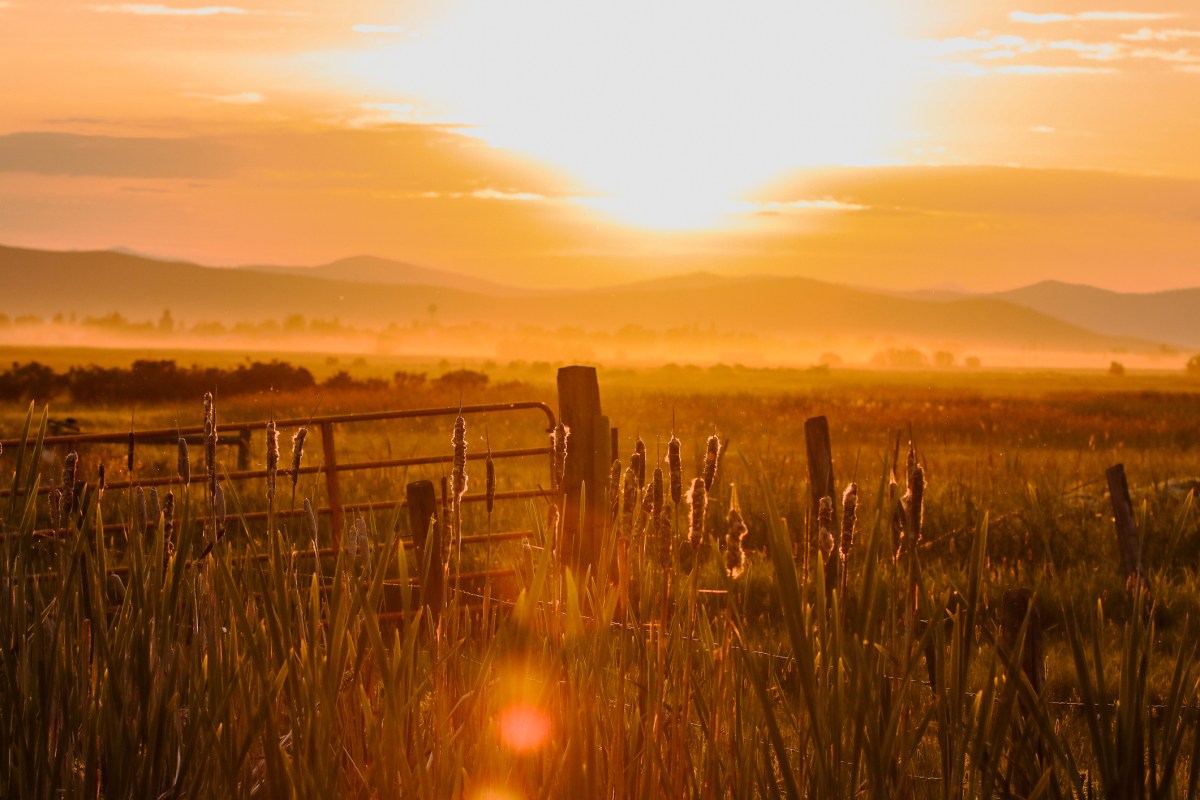
After last week's punishing heat in the East, forecasters say the next major surge will take shape in the western United States. According to CNN, some communities in the Rockies and nearby Plains may end up only a few degrees shy of their hottest temperatures ever observed.
What's happening?
A strengthening high-pressure system is expected to settle over the West starting Friday, leaving some places 10 to 15 degrees warmer than usual, CNN reported. Meteorologists call this kind of stalled, heat-trapping pattern a heat dome, and it can stick around for days.
Saturday is expected to reach the upper 90s to low 100s across the Rockies, eastern Oregon, and parts of California, while some coastal locations may avoid the most extreme temperatures. By Sunday, the hottest air could push parts of Montana, Wyoming, and the Dakotas close to 105 degrees.
Billings, Montana, may rise to around 104 degrees on Saturday and then make a run at its 108-degree record on Sunday. Salt Lake City and Grand Junction, Colorado, could also come close to their record highs, while Denver may approach triple digits early next week.
The heat is then expected to spread eastward into the Plains and parts of the Midwest. Cities including Minneapolis will likely run roughly 10 degrees above normal.
Why does it matter?
Heat is already the deadliest weather hazard in the United States, and scientists say warming driven by pollution from the burning of non-renewable resources is making heat waves both more frequent and longer-lasting.
TCD Picks » Quince Spotlight
💡These best-sellers from Quince deliver affordable, sustainable luxury for all




Extreme heat can threaten lives and livelihoods by straining hospitals and power grids, reducing worker productivity, harming crops, and driving up household energy costs. For those without reliable cooling, the danger of heat illness can rise quickly.
Wildfire season is another concern, according to CNN. More than 3.3 million acres have burned in the U.S. so far this year, well above average, and much of that activity has been concentrated in the West. Additional hot, dry weather can make vegetation even easier to ignite.
The overall fire risk remains somewhat uncertain because heat domes do not always bring the strong winds that help fires spread rapidly. Still, very high temperatures combined with dry landscapes are enough to keep forecasters on alert.
What can I do?
Checking local forecasts, avoiding strenuous activity during the hottest part of the day, drinking plenty of water, and making sure people and pets have access to cool spaces will all help.
If you don't have air conditioning, identify nearby cooling centers, libraries, or other community buildings. Charging devices, closing blinds during the day, and knowing the warning signs of heat stroke and exhaustion are also sensible steps.
In wildfire-prone areas, residents can prepare by signing up for emergency alerts and avoiding any activities that could spark a fire. Even if winds remain light, lightning or human-caused ignitions can quickly become dangerous in parched conditions.
Forecasters expect the heat dome to weaken only gradually, and dangerous temperatures could linger through much of next week.

Get TCD's free newsletters for easy tips, smart advice, and a chance to earn $5,000 toward home upgrades. To see more stories like this one, change your Google preferences here.







