


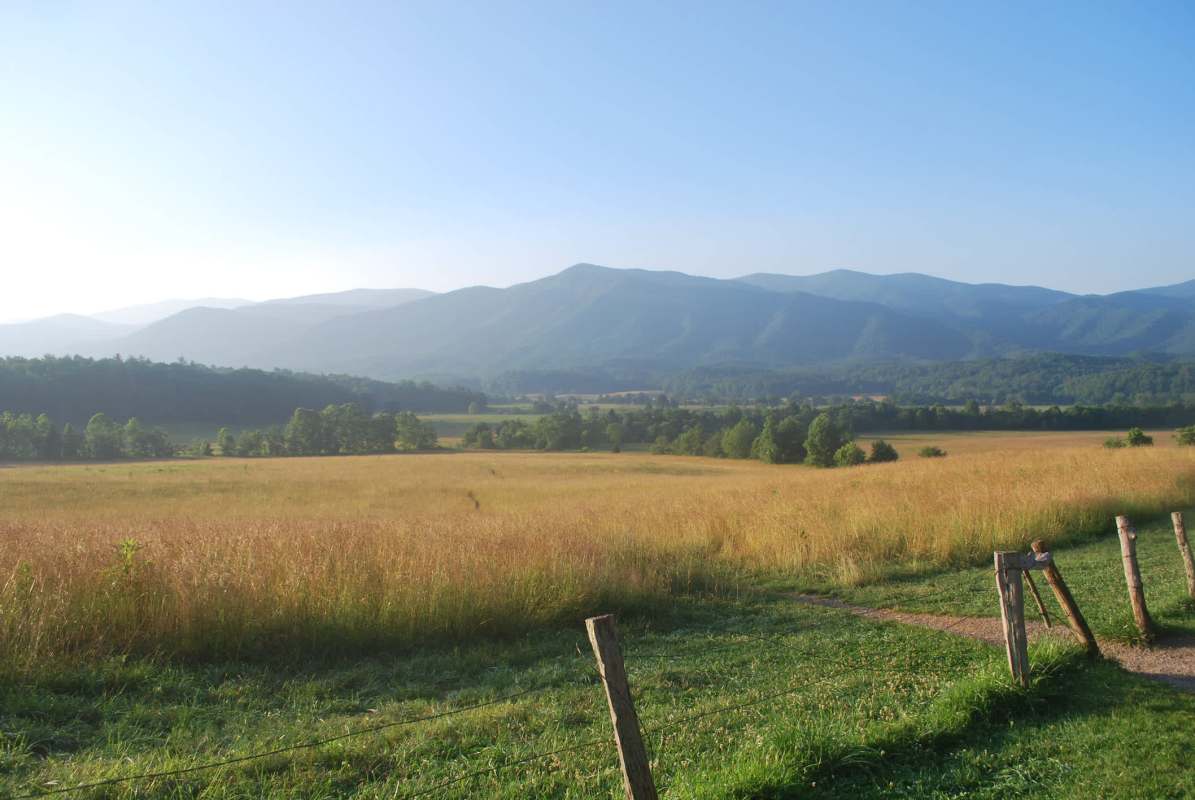
An abandoned homestead might look at first like nothing but a cumbersome cleanup responsibility. For one new owner, though, their property also offered a more encouraging discovery: traces of life that may have endured for decades.
On the newly bought 160-acre parcel, peonies and lilies were still growing, while war-ration-era barbed wire remained as another marker of the land's long history.
What happened?
After buying the plot, a Reddit user shared their excitement. They estimated that the site itself was at least 70 years old.
Even though a home on the property had burned down, plantings were alive, with colorful flowers thriving in full bloom despite going without care.
(Click here to watch the video if it doesn't appear.)
"So neat to see evidence of the original landscaping on this homestead, if I had to guess I'd say the site is at least 70yo complete with war ration era barbed wire," the poster wrote. "I've got my work cut out for me to get this quarter productive."
TCD Picks » Quince Spotlight
💡These best-sellers from Quince deliver affordable, sustainable luxury for all




One commenter urged the new owner to record the restoration process to share online for people to watch, saying, "People love that stuff because not everyone gets an opportunity like that."
Why does it matter?
When plants such as peonies and lilies survive for so long, they show that bringing land back to life does not always mean beginning with a blank slate.
Using what is already healthy and established can cut landscaping expenses, limit waste, and protect habitat for pollinators and other wildlife.
"Always so interesting to see what survives long after the buildings decay away and humans stopped intervening altogether," the original poster wrote.
That outlook lines up with broader interest in land stewardship, whether someone is restoring a large property or simply noticing what naturally grows well in a backyard. Gardening projects — including one individual's back-porch setup that featured drought-resistant, native plants such as coneflowers, firewheels, and black-eyed Susans — also help pollinators.
What can I do?
Users highlighted ways to reduce the cost of improving land.
"When you get an idea of what you want (if you are in the USA), check with your local [Department of Agriculture/Natural Resources Conservation Service] agent and see if they have any payback grants for improvements," the aforementioned commenter noted in another thread.
Such programs can help pay for projects connected to soil, grazing, water, or conservation work.
The same idea can apply on a much smaller property: Figure out what is already there, hold on to plants that are doing well, and make changes over time instead of all at once.
That approach can lower costs, avoid unnecessary waste, and make a landscape productive again without stripping away its past.
One commenter disputed how the property looked, writing: "I don't know if I'd say abandoned from what you showed. Looks like they just forgot to mow last week."
"The truly long-lasting imprints we leave on the land…what a treat," the original poster concluded.

Get TCD's free newsletters for easy tips, smart advice, and a chance to earn $5,000 toward home upgrades. To see more stories like this one, change your Google preferences here.






