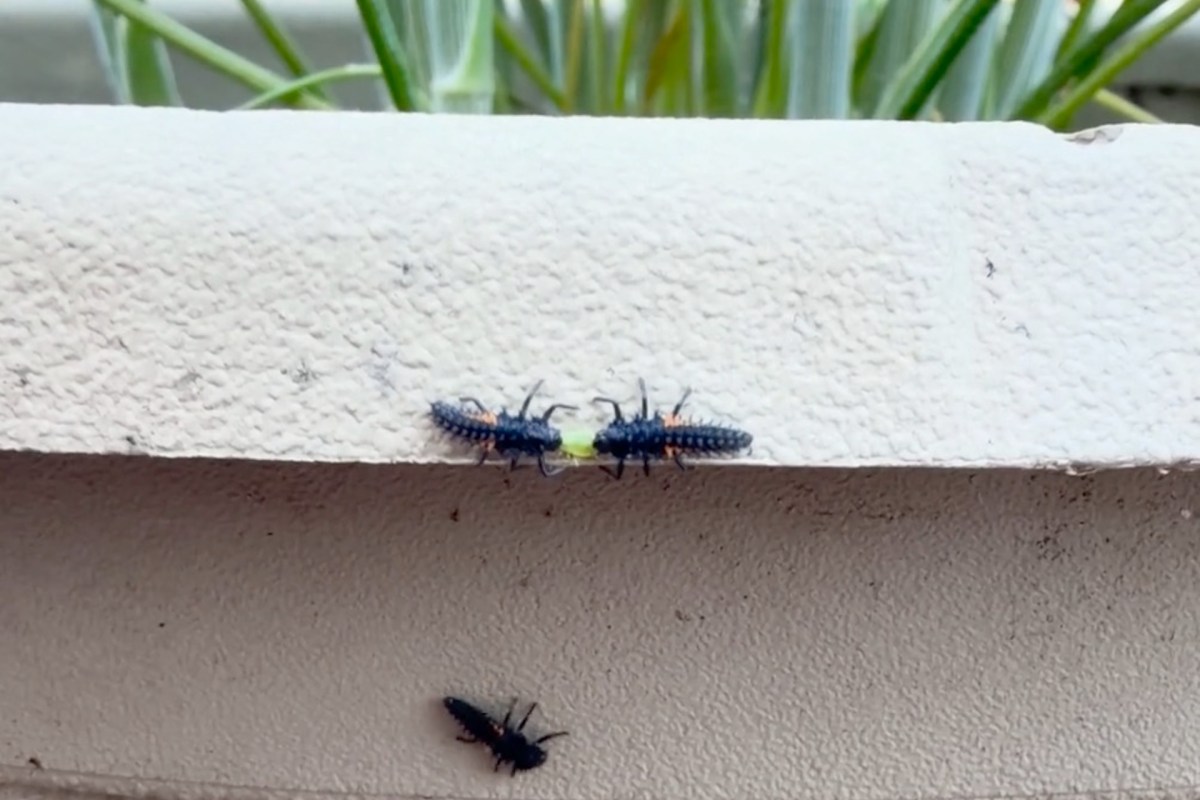
A gardener in Ontario got an unexpected surprise while checking on their herbs: their dill had become home to a cluster of ladybug larvae.
Instead of treating the sight as a problem, the gardener moved a couple of the helpful insects onto nearby pepper plants.
What happened?
The gardener shared the moment in a post on Reddit, writing that their dill was "infested.. by lady bug larva, caught them in action" and later adding, "Only 2 can dine lmao. I transferred them to my pepper plants."
(Click here to view if embed does not appear.)
The discovery also caught plenty of readers off guard, since the young form of a ladybug looks nothing like the familiar red, spotted adult many gardeners are used to seeing.
"It's weird that they start out so terrifying," one commenter wrote. Another joked, "The adults have really good PR."
TCD Picks » Quince Spotlight
💡These best-sellers from Quince deliver affordable, sustainable luxury for all




Why does it matter?
Ladybug larvae can be a major asset in a vegetable garden because they eat aphids and other soft-bodied pests. That feeding behavior helps shield herbs and vegetables while reducing the need for chemical sprays.
That is especially helpful for home gardeners trying to stretch their grocery budgets. Growing herbs, peppers, tomatoes, and greens can help cut produce costs, and many people find that homegrown food tastes fresher and better than store-bought options.
Gardening can also provide benefits beyond the harvest. Time spent tending plants can support mental health by lowering stress, while digging, watering, and weeding can add gentle physical activity to a daily routine.
When predator insects show up on their own, they can offer useful help without any extra spending. Sometimes a garden already has what it needs.
One clear takeaway from the post is the value of paying attention before acting. After noticing the larvae, the gardener relocated some from the dill to the pepper plants so they could keep feeding there.
Learning to identify beneficial bugs before removing them can help. Ladybug larvae may look intimidating, but they can be valuable allies. And if pests do show up, there are many safer ways to respond than reaching for chemicals right away.

Get TCD's free newsletters for easy tips, smart advice, and a chance to earn $5,000 toward home upgrades. To see more stories like this one, change your Google preferences here.