


A Denver-area Reddit post is drawing attention because one homeowner reported a 36% year-over-year drop in summer electricity use. The homeowner said the decrease followed the replacement of a 32-year-old air conditioner and furnace with a heat pump and backup furnace.
For households bracing for high cooling bills, that kind of result offers a concrete way to imagine what a heat pump can do.
What happened?
The figures came from a post on Reddit, where the homeowner compared two billing periods of equal length — 29 days each — covering June 1-30, 2025, and June 2-July 1, 2026.
According to the post, the Denver-area home was built in 1985, is roughly 3,300 square feet, and was kept at 74 degrees Fahrenheit during the summer.
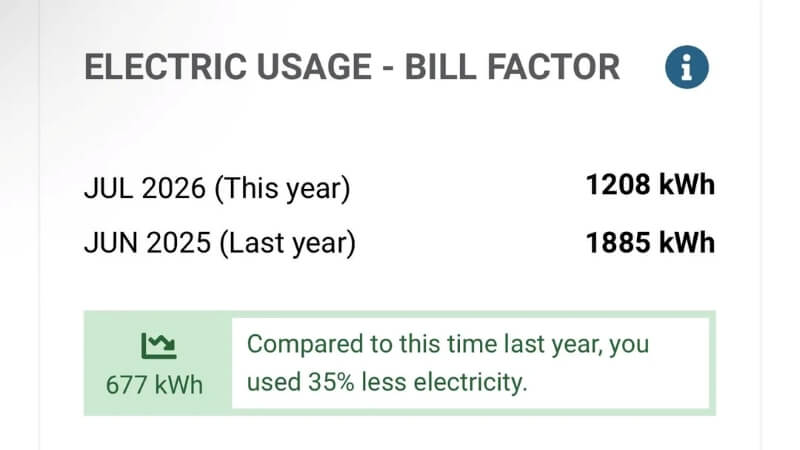
"The only change we made was replacing a 32 year old A/C & furnace with a heat pump & backup furnace in December," the original poster wrote.
The homeowner also said that the later billing period averaged about 1 degree warmer per day.
TCD Picks » Quince Spotlight
💡These best-sellers from Quince deliver affordable, sustainable luxury for all




After commenters pushed for a more precise weather comparison, the poster later pointed to local-station cooling degree-day data in an edit to the post. Those figures showed that the later period was roughly 5% warmer, suggesting the efficiency gain may have been even larger than the headline number.
The poster also added an important caveat, writing: "I don't know how much is due to heat pump versus comparable current generation AC."
Supporting the comparison, one commenter wrote, "Op provided temperature data, they aren't far from one another year over year, definitely seeing a benefit."
Why does it matter?
Replacing aging heating and cooling equipment can sharply cut energy use, especially if the old system is decades out of date.
Air conditioning can be one of the biggest drivers of summer power bills.
Even without the homeowner sharing exact dollar figures, a 36% reduction could still translate into meaningful savings.
Heat pumps can also help beyond monthly bills.
Because they move heat rather than generate it, as older systems often do, they can provide efficient cooling in summer and efficient heating in winter.
Lower energy demand can also reduce pollution from electricity generation, particularly during peak-demand periods when grids are under the most stress.
Not all of the savings should be credited solely to the heat pump.
Upgrading from a very old unit to any modern high-efficiency system may slash energy use. Still, the post offers a concrete example of how electrification can improve comfort and lower costs at home.
What can I do?
If your air conditioner or furnace is nearing the end of its life, it may be worth comparing a heat pump before automatically replacing it with another system that runs on non-renewable energy.
Looking at your utility bills, your home's age, local climate, and available rebates can help you estimate whether the upfront cost makes sense.
If you want to make the switch to a more efficient system, EnergySage can connect you with vetted, local installers. If you want something at a lower price point, Merino's single-room systems could be right for you.
Homeowners can also pair efficient electric appliances with rooftop solar to further reduce utility costs over time, especially in sunny regions where air conditioning demand is high. EnergySage's free tools can help you find the system that's right for you.
The homeowner wrote, "I'm truly amazed how much energy we're saving."
"Nice. The heat pump is definitely far more efficient," one commenter wrote.

Get TCD's free newsletters for easy tips, smart advice, and a chance to earn $5,000 toward home upgrades. To see more stories like this one, change your Google preferences here.







