


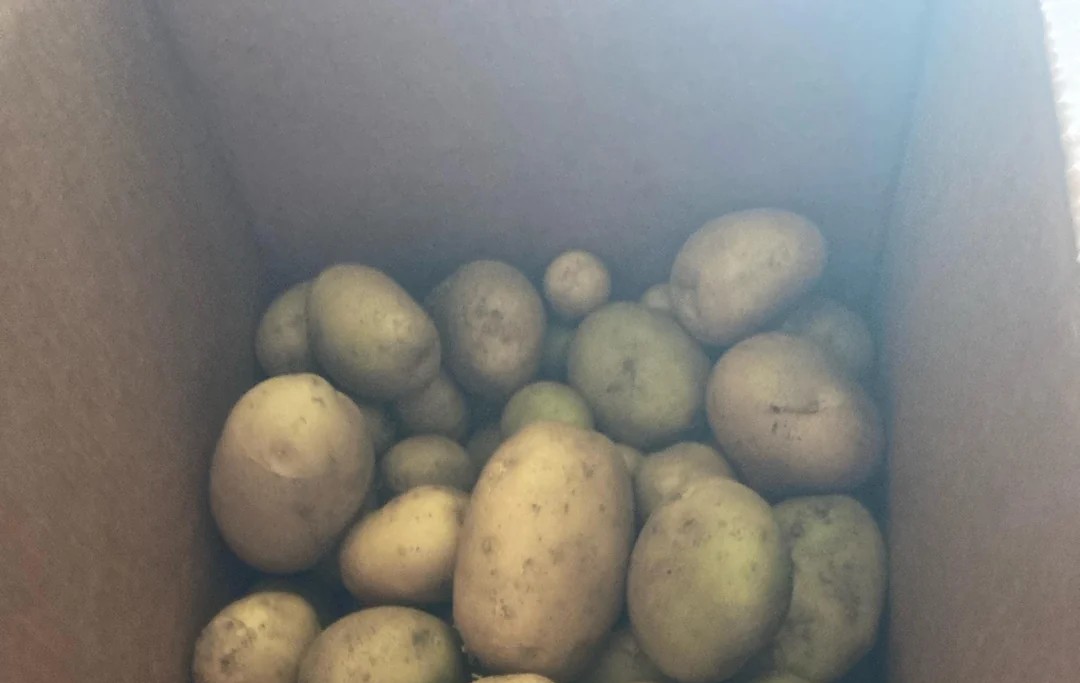
During a heat wave, a beginner homesteader accidentally left freshly harvested potatoes in the sun, and the mistake became a useful food-safety reminder for anyone growing their own produce.
What happened?
The grower explained in a Reddit post on r/homestead that a batch of just-harvested potatoes was accidentally left in direct sunlight for a couple of days, and the tubers turned green. That prompted commenters to weigh whether to "eat or replant them."
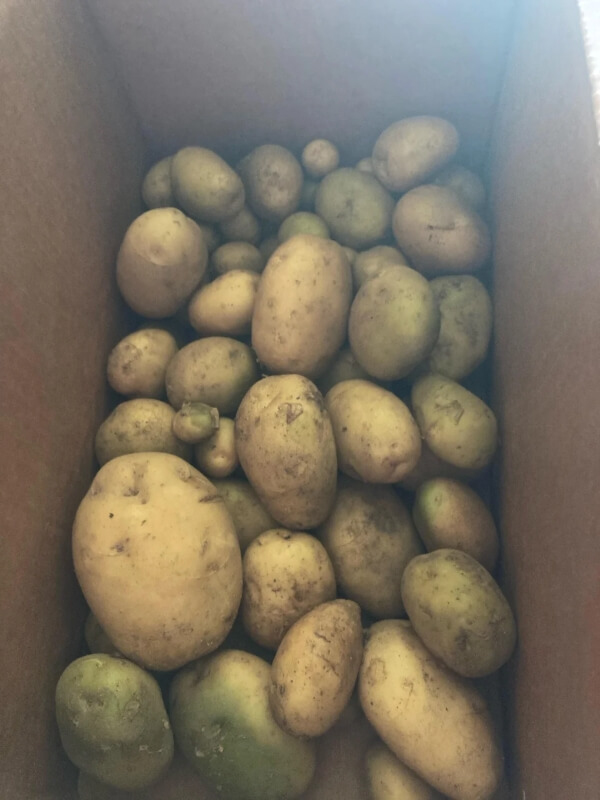
Throughout the thread, one message kept coming up: "DON'T eat green potatoes."
The warnings focused on solanine, which commenters associated with potatoes exposed to too much light. People in the discussion also said cooking does not reliably solve that concern. Although several users admitted they peel away the green portions and eat the potatoes anyway.
Why does it matter?
Potatoes are often considered an easy starter crop, so learning that a harvest may no longer be dinner-ready after even a little sun exposure is an unwelcome surprise.
Something can look salvageable and still be a bad idea to eat. Green coloring in potatoes is a warning sign that the tuber received too much light, and many gardeners treat that as a reason to avoid eating it altogether rather than risk illness.
TCD Picks » Quince Spotlight
💡These best-sellers from Quince deliver affordable, sustainable luxury for all




As more people turn to gardening to save money, build resilience, and waste less food, practical knowledge such as proper harvest handling becomes just as important as planting advice. A preventable mistake can mean losing part of a crop. The good thing is you can use that mistake to learn how to make the next one better.
What can I do?
If you grow potatoes, keep them out of direct sunlight after harvest. Store them in a cool, dark, well-ventilated place, and inspect them before cooking. If they have turned significantly green, many gardeners say it is smarter to avoid the risk.
For tubers that are still firm and otherwise healthy, replanting may be the better use. Saving them as seed potatoes can keep the loss from becoming a total waste while helping get next season's garden started.
And if you're thinking about how to make your yard work harder for you, a partial lawn replacement can help. Native plants, clover, buffalo grass, and xeriscaping are all lower-maintenance alternatives that can reduce mowing, cut water use, and trim upkeep costs. Homeowners do not need to tear out every blade of grass to see benefits.
Upgrading to a natural lawn or rewilding your yard can help you build a yard that is easier to maintain and more useful for pollinators, all while lowering your bills.

Get TCD's free newsletters for easy tips, smart advice, and a chance to earn $5,000 toward home upgrades. To see more stories like this one, change your Google preferences here.







