


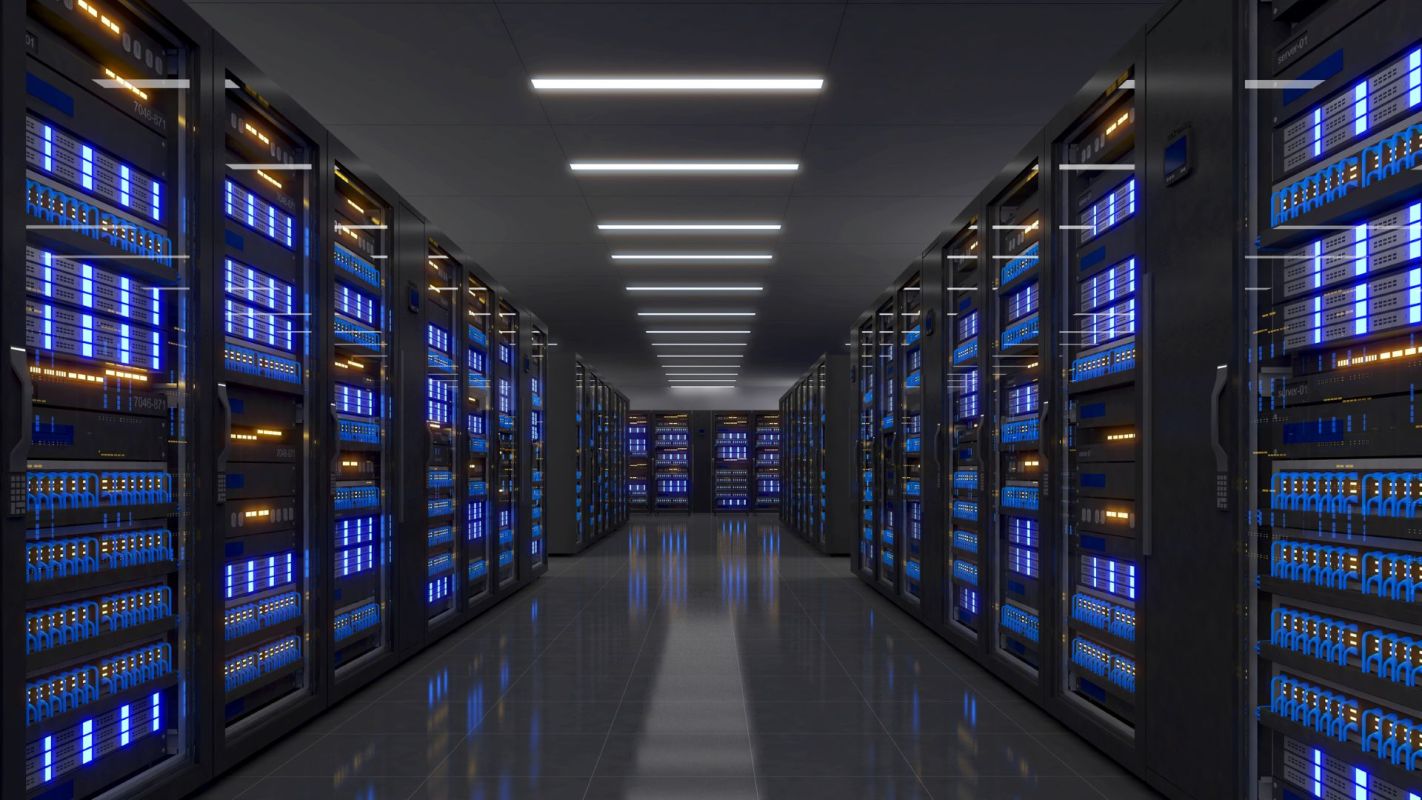
Across the U.S., small towns and suburbs are taking action against proposed data centers, with some communities attempting to oust elected officials who back the potentially loud, energy-intensive, and water-hungry facilities.
The growing backlash is stalling billions of dollars in planned development as concerns rise over secrecy, strain on utilities, and the true local cost of powering the AI boom.
What happened?
According to The Guardian, citing information from Data Center Watch, at least 75 proposed data center projects worth roughly $130 billion were halted or delayed in the United States in the first quarter of 2026. Meanwhile, more communities are seeking moratoriums on new facilities and pursuing recalls of local officials who approved or supported them.
The Guardian highlighted a case in Lenox Township, Michigan, where residents began pushing back after a website promoting a proposed data center campus appeared online.
According to the outlet, township officials initially denied that any developer had applied to build a data center in the area. However, public records requests later revealed that the township supervisor and deputy supervisor had already been contacted about the proposed project.
The secrecy led to packed public meetings where residents shared frustrations and submitted a petition to recall four members of the Lenox board of trustees, The Guardian reported.
TCD Picks » Quince Spotlight
💡These best-sellers from Quince deliver affordable, sustainable luxury for all




Similar frustration is surfacing elsewhere. The Guardian reported that in Festus, Missouri, residents launched a recall effort against the mayor and three council members after officials approved a $6 billion data center agreement. The project was intended for another nearby community but shifted to Festus after it faced strong opposition.
In Yukon, Oklahoma, The Guardian reported similar backlash, with bank vice president Joe Horn submitting a recall petition to remove the mayor and vice mayor for their support of a proposed $1 billion data-center project, saying, "We already ration water here in Yukon."
Evan Sutton, a Seattle resident who works in strategic communications and has voluntarily helped data center opponents in 10 states, told The Guardian the ongoing backlash connects to the anxiety surrounding the AI industry.
"People feel like this technology is being shoved down our throats," Sutton told the outlet.
Why does it matter?
Data centers connect cutting-edge technology to everyday concerns such as water access, electric bills, noise, and land use.
The Guardian, citing Data Center Map and a University of Michigan report, said the U.S. has more than 4,400 data centers and that one facility can consume as much electricity as 2,000 homes.
In addition to high energy use, cooling needs translate to huge water demand. The Guardian, citing the Environmental and Energy Study Institute, reported that a typical data center can use about 300,000 gallons of water per day, while large facilities may consume as much as 5 million gallons daily.
AI is deeply tied to the power grid because training and running AI models require massive computing capacity, much of it housed in data centers.
While that technology may help to optimize cleaner energy systems, it can also drive up electricity demand, increase water consumption, raise utility costs for households, and create risks tied to pollution.
What's being done?
Residents are turning to some of the strongest tools available in local government: moratorium requests, open-records demands, organized turnout at public meetings, and recall petitions.
As more infrastructure is proposed, residents are asking who benefits, who pays, and how much say the public really has.

Get TCD's free newsletters for easy tips, smart advice, and a chance to earn $5,000 toward home upgrades. To see more stories like this one, change your Google preferences here.






