


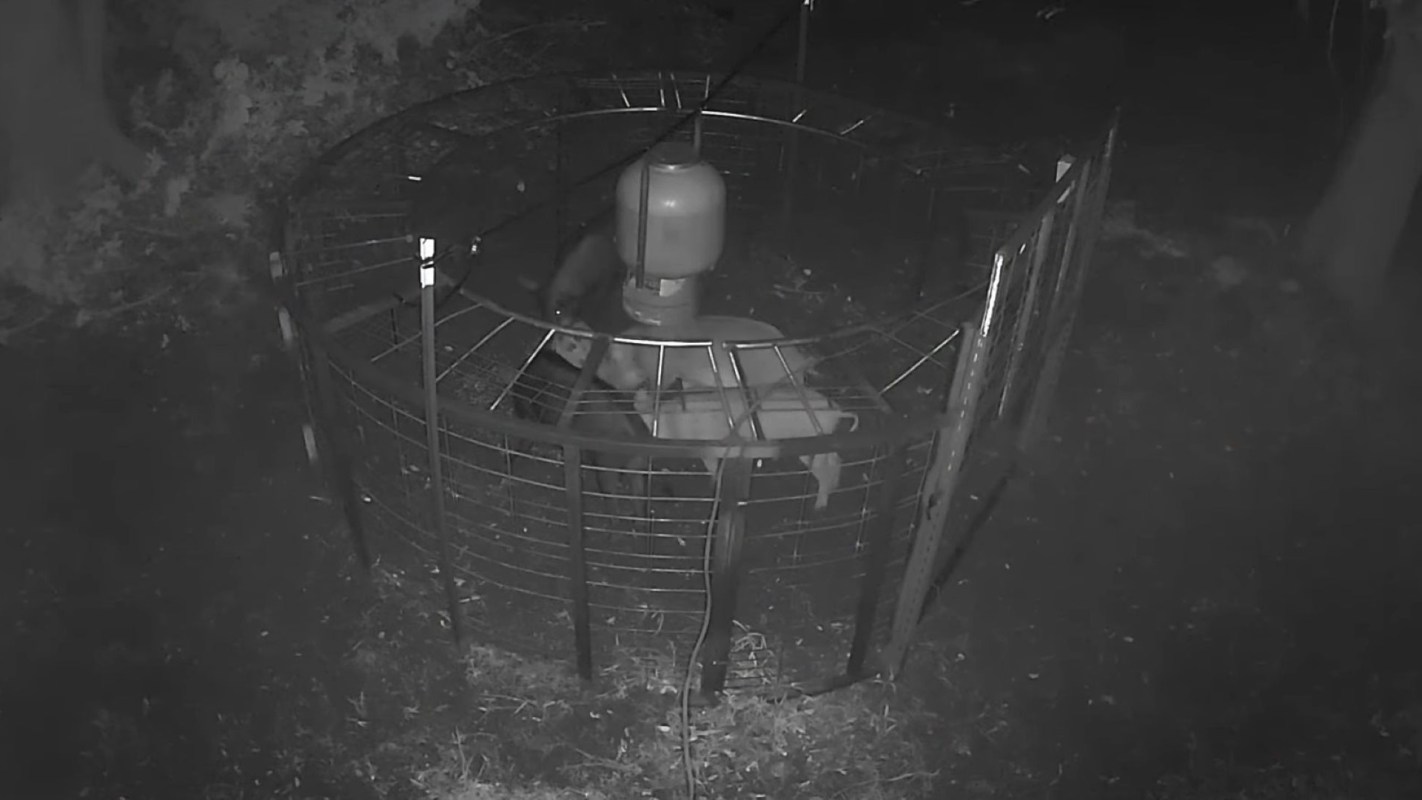
In South Florida, invasive hogs are showing up seemingly everywhere, from places as ordinary as a yard to locations as commercial as a tree farm.
Footage from one wild hog hunter showed what happened when half a dozen of the animals wound up in those locations.
BowHogFL (@bowhogfl), a hog expert, shared the video of his removal work in a St. Lucie County yard and tree farm.
One part of the video showed five hogs, while another documented a single animal.
Wild hogs are highly adaptable animals. They can forage in lawns, properties, and cropland before slipping back into brushy cover or undeveloped areas.
In fast-growing parts of Florida, patchworks of homes, roads, and farmland can make repeat encounters likely.
TCD Picks » Quince Spotlight
💡These best-sellers from Quince deliver affordable, sustainable luxury for all




Why does it matter?
Feral hogs are, at least in part, a human-made problem. Wild pigs were introduced to the United States hundreds of years ago, and their spread has been aided by land-use changes that create reliable food and water sources near human activity.
Now, yards, gardens, tree farms, and agricultural fields have all become attractive feeding sites.
That overlap can become costly in a hurry. Hogs are known for disturbing soil, rooting up turf, damaging crops, and destroying irrigation systems and landscaping.
For homeowners, that can mean torn-up lawns and expensive repairs. For farmers and nursery operators, it can mean lost production and repeated setbacks.
There are broader environmental concerns as well. Invasive hogs can outcompete native wildlife, degrade habitats, and muddy waterways as they dig and wallow. They can also create safety risks for pets, drivers, and anyone caught off guard by their presence.
As human development expands and wildlife finds easy resources around people, those encounters become more common.
What's being done?
In Florida, landowners often turn to dedicated removal teams to keep hogs away, particularly where repeated damage is an issue.
The video showed targeted trapping and removal in places where hogs actively caused problems.
Removal tends to work best when paired with prevention. Homeowners can reduce the chances of attracting hogs by securing trash, avoiding leaving pet food outdoors, cleaning up fallen fruit, and fixing leaks or standing water that may draw animals in.
For growers and property managers, strong fencing, routine monitoring, and early reporting can keep a small problem from becoming a much larger one.
Because hogs reproduce quickly, waiting too long can make control difficult.

Get TCD's free newsletters for easy tips, smart advice, and a chance to earn $5,000 toward home upgrades. To see more stories like this one, change your Google preferences here.







