


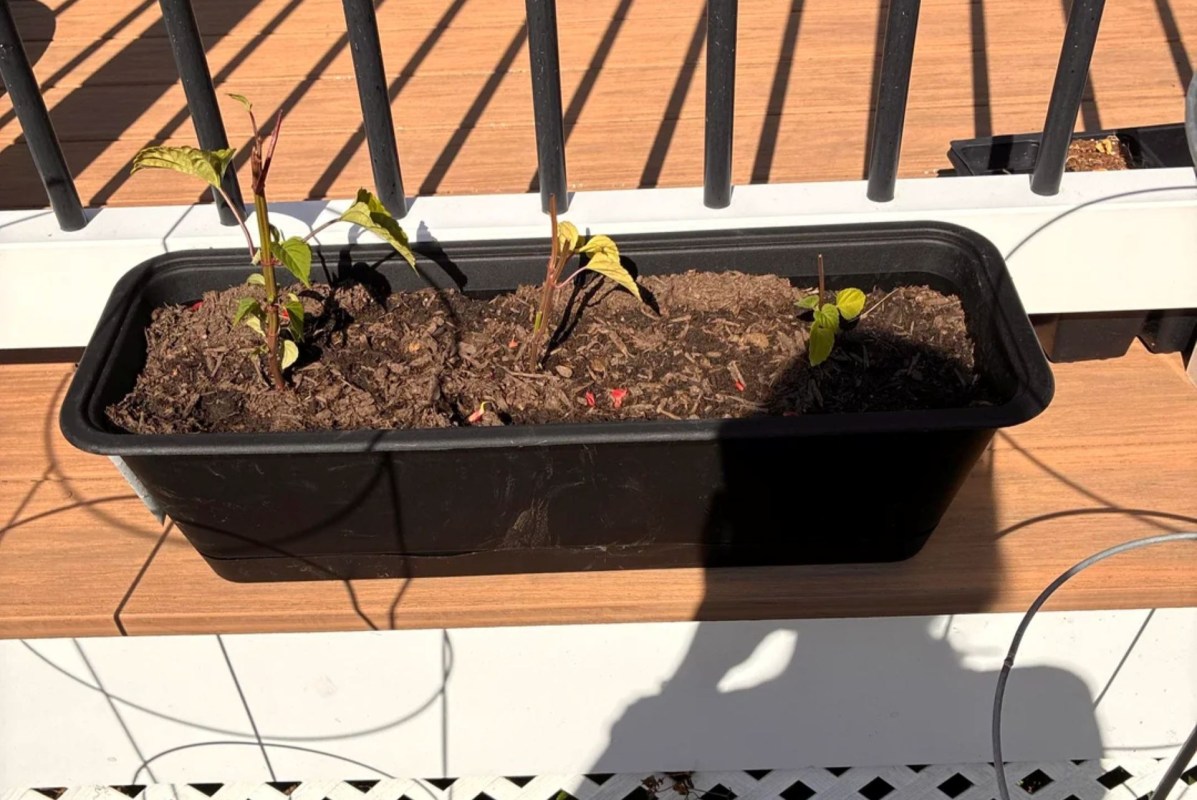
Overnight, a new gardener in New York discovered that the cucumbers and tomatoes in a grow-bag setup had been eaten down to almost nothing.
Their shock came through in a single question: "Was it the deer?"
What happened?
On the Reddit forum r/vegetablegardening, a gardener shared their frustration at finding tomato and cucumber plants suddenly chewed back.
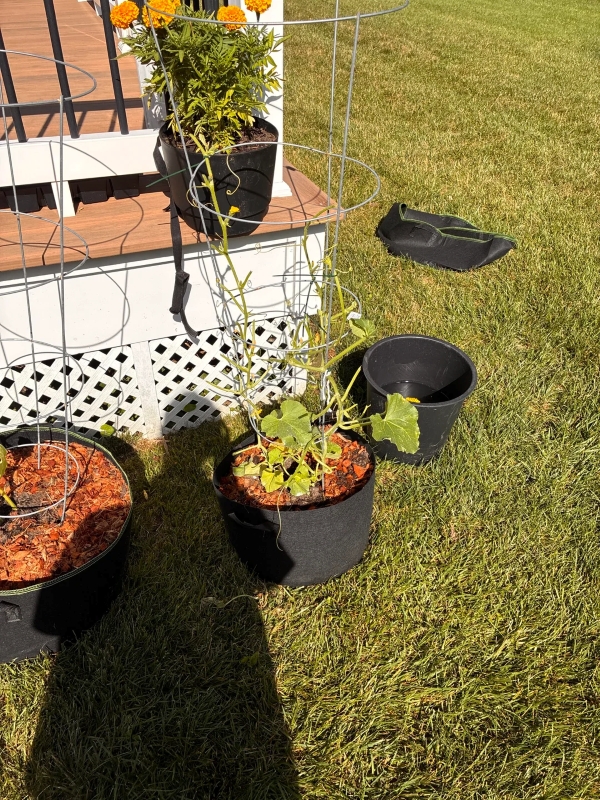
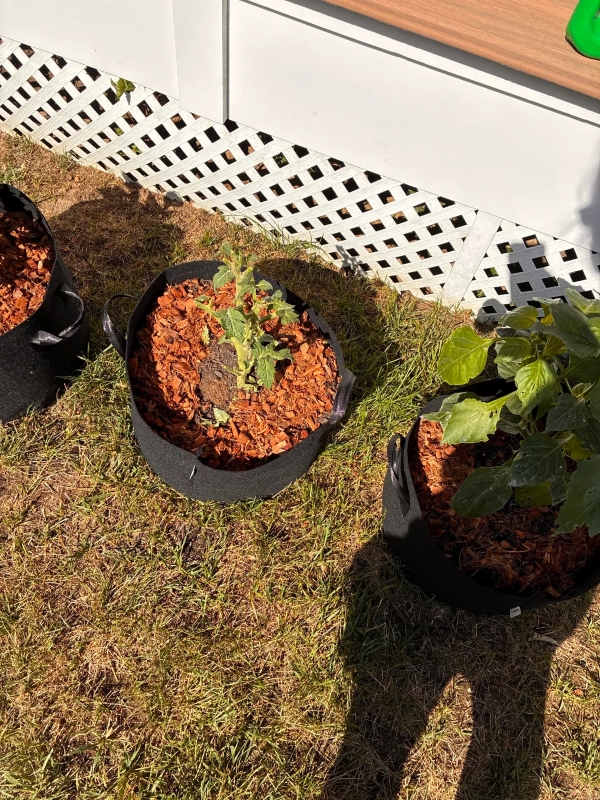
Many of the replies said deer were the most likely cause, pointing to the height and pattern of the damage as signs of typical browsing.
People in the thread also tried to offer some encouragement, saying the plants might still regrow from established roots despite the setback.
The discussion also turned to prevention, with commenters recommending 8-foot fencing and wire cages to protect vulnerable plants.
TCD Picks » Quince Spotlight
💡These best-sellers from Quince deliver affordable, sustainable luxury for all




Why does it matter?
A loss like this can be especially discouraging. Vegetable gardening takes time, money, and attention, and waking up to a wiped-out container setup can make anyone question whether it is worth trying again.
That kind of response can make a difference for a beginner: instead of treating the damage as a failure, other gardeners helped identify the problem and suggested practical next steps.
Gardening often means sharing space with wildlife, especially in areas where suburban neighborhoods overlap with natural habitat. Deer can devastate a small food garden in a single night, and for many growers, that lesson comes only after it happens.
Rethinking the rest of a yard can help homeowners create a more resilient landscape. Swapping even part of a conventional lawn for native plants, clover, buffalo grass, or xeriscaping can reduce mowing time, lower water bills, and cut maintenance costs while supporting pollinators and other beneficial species.
What can I do?
If deer are common where you live, physical barriers are usually the best defense. The advice in the comments matched standard gardening guidance: tall fencing can all help keep young plants from becoming an easy repeat target.
Still, it is crucial to be wary of using netting as animals can become trapped.
Those options will not stop every hungry deer, but they can help create a yard that works better for both people and local ecosystems — and leave more room in the budget for replacing the occasional nibbled tomato.

Get TCD's free newsletters for easy tips, smart advice, and a chance to earn $5,000 toward home upgrades. To see more stories like this one, change your Google preferences here.






