


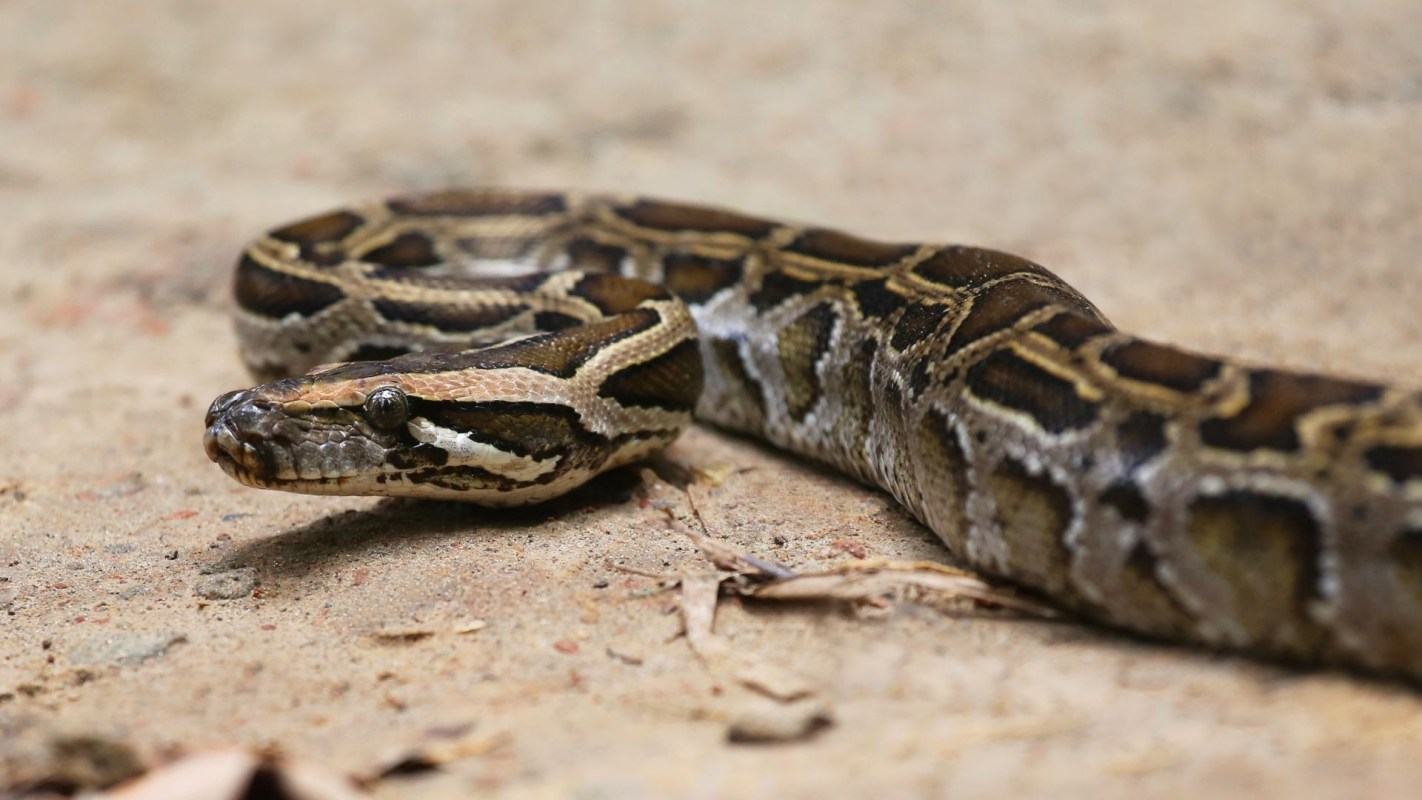
A state-contracted hunter in Big Cypress National Preserve took a massive Burmese python out of the swamp: a 202-pound female that was carrying about 200 eggs.
What happened?
In January, officials said that Carl Jackson — a hunter with the Florida Fish and Wildlife Conservation Commission's Python Action Team — captured the snake with the help of three family members, according to WPLG Local 10.
Local 10 reported that the female was 16 feet, 10 inches long.
Officials said the snake was the second-heaviest recorded Burmese python; the state's top recorded weight is 215 pounds.
Removing this one breeding female may have stopped a sizable new group of invasive pythons from entering an ecosystem already under stress.
Jackson has removed many pythons in the course of his work, but officials said this animal was notable even for someone with his level of experience.
TCD Picks » Quince Spotlight
💡These best-sellers from Quince deliver affordable, sustainable luxury for all




Why does it matter?
Burmese pythons are not native to Florida, and their spread has been linked largely to human activity, especially releases and escapes connected to the exotic pet trade.
They became highly effective predators in a landscape where many native animals were not able to deal with them. Invasive species such as these snakes can pose a risk to endangered animals. A study warned that Burmese pythons could drive the endangered Key Largo woodrat to extinction, as the species is already dealing with habitat loss and has been endangered for over 40 years.
The Everglades is a major ecosystem that supports birds, reptiles, and mammals; helps regulate water in South Florida; and sustains tourism and outdoor recreation.
When invasive predators reduce native wildlife populations, the effects can spread far beyond the animals they directly prey on.
Officials have long warned that Burmese pythons are linked to mammal declines in the Everglades. A breeding female this large shows how difficult the problem can become once an invasive species is firmly established.
That can mean ongoing costs tied to wildlife management, damage to biodiversity, and growing pressure on a natural area that also helps protect communities and local economies.
What's being done?
Florida continues to rely on contracted removal teams, including hunters such as Jackson, to locate and capture invasive pythons in hard-to-reach habitats.
Those efforts not only remove individual snakes but also disrupt reproduction, which makes captures of females carrying eggs major successes for the ecosystem.
The state also promotes public participation through community events such as the annual Python Challenge.
It urges people not to release exotic pets into the wild and to report invasive species sightings to the proper authorities as well.
Targeted removal can make an impactful difference, especially when it stops a large breeding snake before hundreds of hatchlings spread into the ecosystem.
Persistent removal efforts remain one of Florida's most important tools for protecting native wildlife.

Get TCD's free newsletters for easy tips, smart advice, and a chance to earn $5,000 toward home upgrades. To see more stories like this one, change your Google preferences here.







