


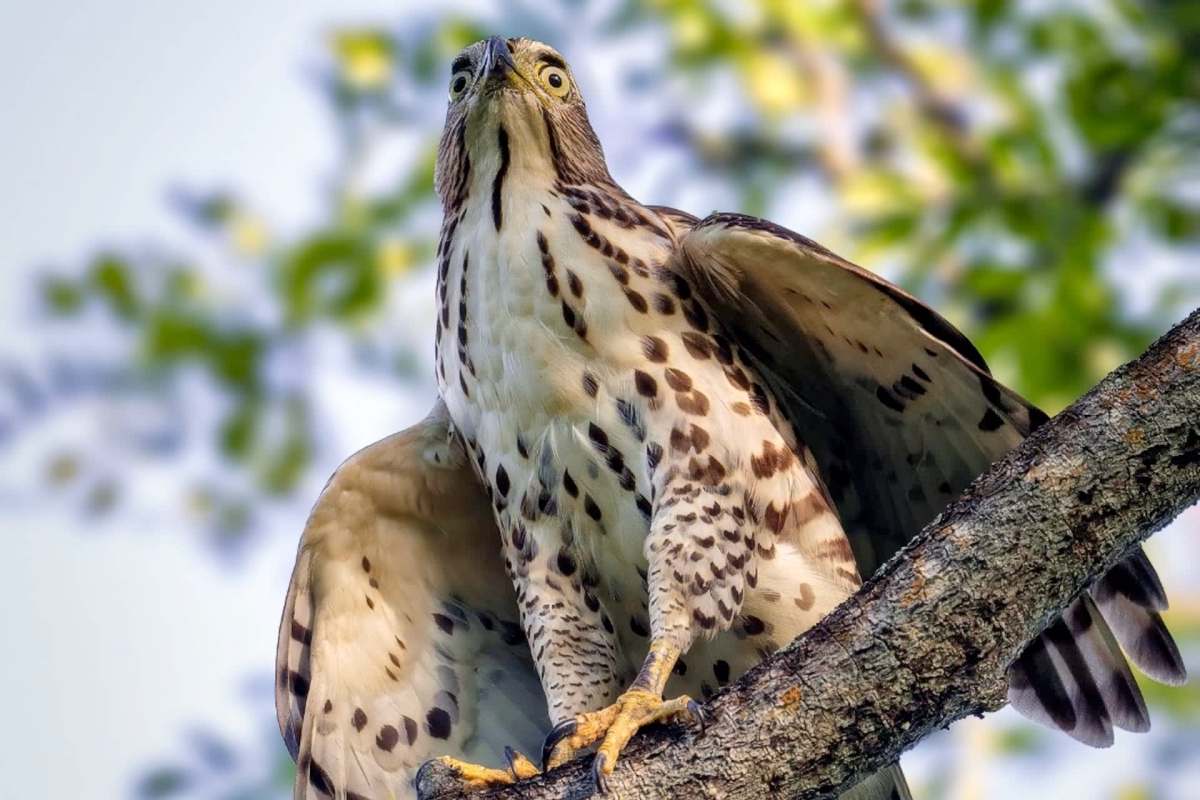
At Pasir Ris Park in Singapore, a young crested goshawk shifted from rapid flights between trees to the quieter work of grooming the feathers it relies on to stay alive.
The early-morning sighting offered a close-up look at how wild birds develop the skills they need to move through busy urban green spaces.
What happened?
In a recent Instagram post, content creator and wildlife photographer Kelvin Leong (@wilderness.sg) shared an image and description of a juvenile crested goshawk spotted at Pasir Ris Park.
It captures a common rhythm in the lives of young raptors, with seemingly energetic movement giving way to a pause for upkeep.
"From one perch to another, this young Crested Goshawk seemed to have endless energy," the caption said. The creator added that the bird was "constantly on the move — flying from tree to tree, exploring its surroundings with curiosity and confidence."
Only after those brief flights did it stop on a branch to tend its feathers.
TCD Picks » Quince Spotlight
💡These best-sellers from Quince deliver affordable, sustainable luxury for all




Why does it matter?
Routine park visits can reveal important wildlife behavior.
For a juvenile bird, preening helps maintain the feathers it depends on for movement, warmth, and protection.
As the caption noted, "For young raptors, preening is far more than a grooming routine."
Because feathers shape flight, insulation, and quiet movement through wooded areas, that maintenance is vital for a bird still learning to navigate its environment.
The sighting also highlights the role of urban nature in supporting biodiversity.
Parks like Pasir Ris are used by people for exercise and recreation, but they can also give wild animals space to hunt, rest, and develop.
What can I do?
If you're lucky enough to spot a young raptor in a park, the best response is usually to give it space.
Keeping a respectful distance helps avoid causing stress, especially when a bird is feeding, resting, or preening. Binoculars or a zoom lens can let you observe without getting too close.
Young birds need to practice natural behaviors on their own, and human interference can disrupt that learning process. Keeping pets leashed and staying on marked paths can also reduce pressure on wildlife in shared green spaces.
Supporting local parks and protecting native habitat can make a difference.
Even simple actions — visiting nature areas responsibly, learning about local species, and sharing respectful wildlife observations — can help build appreciation for the animals already living alongside us.

Get TCD's free newsletters for easy tips, smart advice, and a chance to earn $5,000 toward home upgrades. To see more stories like this one, change your Google preferences here.







