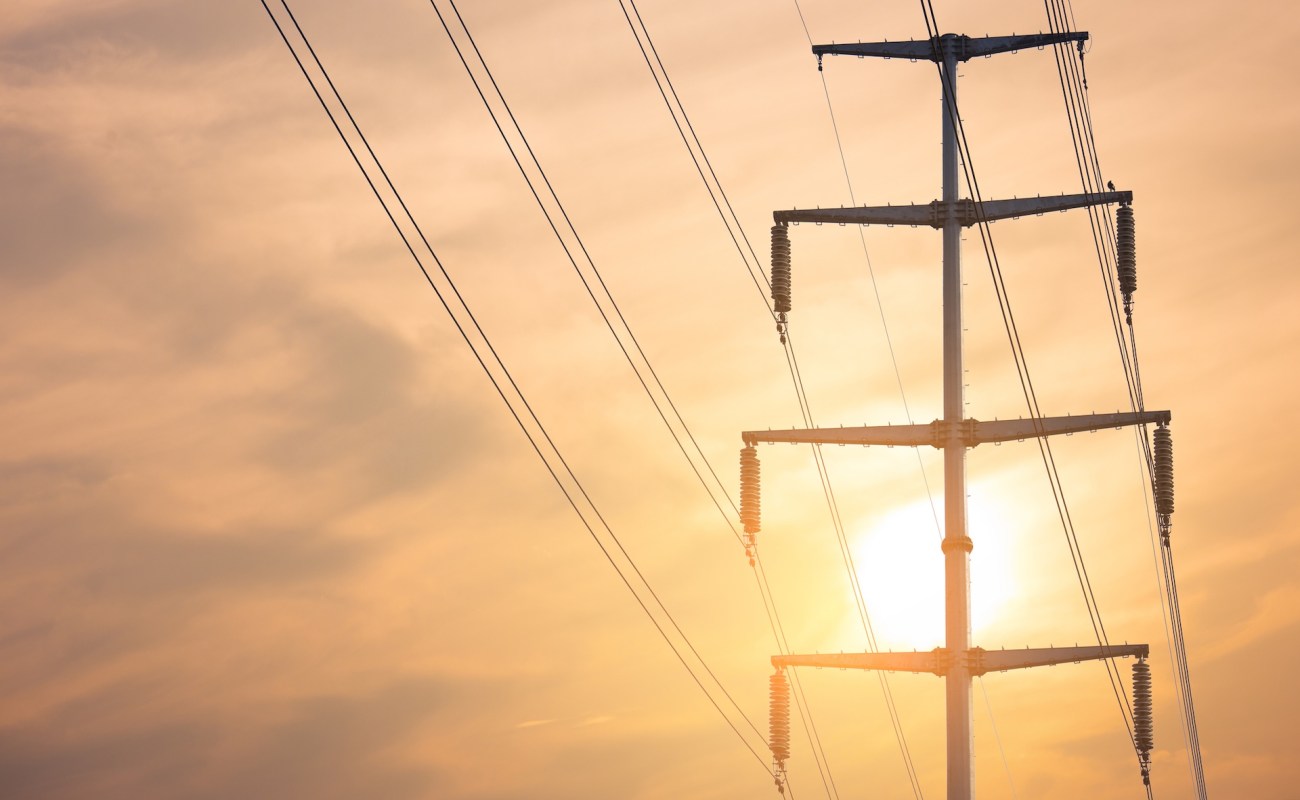
As sweltering heat grips PJM's territory, the power grid serving 67 million people is under mounting pressure. In northern Virginia, electricity prices have soared.
The spike is an unsettling sign of how quickly extreme weather can strain the systems people depend on to stay cool and safe.
What's happening?
A federal alert was issued for PJM's service area on Friday as the grid operator contended with unusually high electricity demand due to extended heat, along with generator outages and overloaded transmission lines, Reuters reported.
PJM said utilities were asked to curb power use for customers who have agreements in place to cut consumption during emergencies. The grid operator covers the Mid-Atlantic, parts of the South, and Washington, D.C., serving roughly 67 million people.
This week, spot wholesale power prices in northern Virginia — home to the world's largest cluster of data centers — climbed past $2,500 per megawatt-hour, according to Reuters. In less-stressed conditions, those prices are usually around $40 per megawatt-hour.
For households worried about blackouts, adding battery storage is one of the best ways to protect your home during outages, save money on energy, and move closer to going off-grid. If you're interested, you can explore EnergySage's free tools to get information about home battery storage options, including competitive installation estimates.
EnergySage has teamed up with the electrification brand Qmerit to guarantee you get the best price on home battery storage solutions. Another option is Pila, whose plug-and-play batteries are priced at a fraction of what a whole-home backup system would cost.
Why does it matter?
Grid stress can mean higher costs, more requests to conserve electricity, and a greater risk of outages during dangerous heat. When air conditioning becomes a health necessity rather than a comfort, any disruption can quickly turn serious.
Save $10,000 on solar panels without even sharing your phone number Want to go solar but not sure who to trust? EnergySage has your back with free and transparent quotes from fully vetted providers in your area. To get started, just answer a few questions about your home — no phone number required. Within a day or two, EnergySage will email you the best options for your needs, and their expert advisers can help you compare quotes and pick a winner. Solar panels can save you more than $50k over their 25-year lifespan, and EnergySage can help you save as much as $10k on installation. Which begs the question — isn't that worth an email or two? |

Worsening extreme weather threatens lives and livelihoods by increasing the risk of heat exhaustion and heat stroke, especially for older adults, outdoor workers, and people with chronic illnesses. It can also undermine community safety and economic stability when businesses lose power, families face surging utility bills, and critical services are pushed to their limits.
Northern Virginia's price jump also highlights how difficult it can be to move electricity where it is needed most. As demand rises quickly, congestion on transmission lines can send costs sharply higher even if power is available elsewhere on the system.
What's being done?
In the short term, PJM is relying on demand-response programs to reduce power use during emergencies, Reuters noted. These programs can help prevent broader outages by quickly lowering demand when the grid is nearing its limit.
Expanding transmission capacity, improving reliability, and deploying flexible resources such as batteries that can discharge electricity during peak hours can help. Storage can support the grid as a whole, but it can also help individual households ride through disruptions.
People can also take practical steps during heat waves, including pre-cooling their homes earlier in the day, closing blinds, avoiding the use of large appliances during the hottest hours, and checking whether their utility offers time-of-use rates or emergency demand programs. For those able to invest, battery storage paired with efficiency upgrades can make a home safer and energy bills more predictable.
The latest surge — from about $40 to more than $2,000 per megawatt-hour — shows that extreme heat does not just strain people. It also strains the infrastructure communities rely on, with real consequences for health, safety, and household budgets.

Get TCD's free newsletters for easy tips, smart advice, and a chance to earn $5,000 toward home upgrades. To see more stories like this one, change your Google preferences here.