With air conditioners working overtime during increasing summer heat, some homeowners are turning to a low-cost, low-maintenance home improvement in hopes of lowering their energy bills.
The tip, which gained some traction after being posted on Reddit, involves a little bit of installation and cheap Mylar emergency blankets.
What's happening?
The tip first appeared on Reddit in the r/Frugal forum, where one user described an inexpensive way to help a home stay cooler through the summer.
The user explained that they covered their sun-facing windows with emergency blankets to reflect sunlight and keep their home cooler.
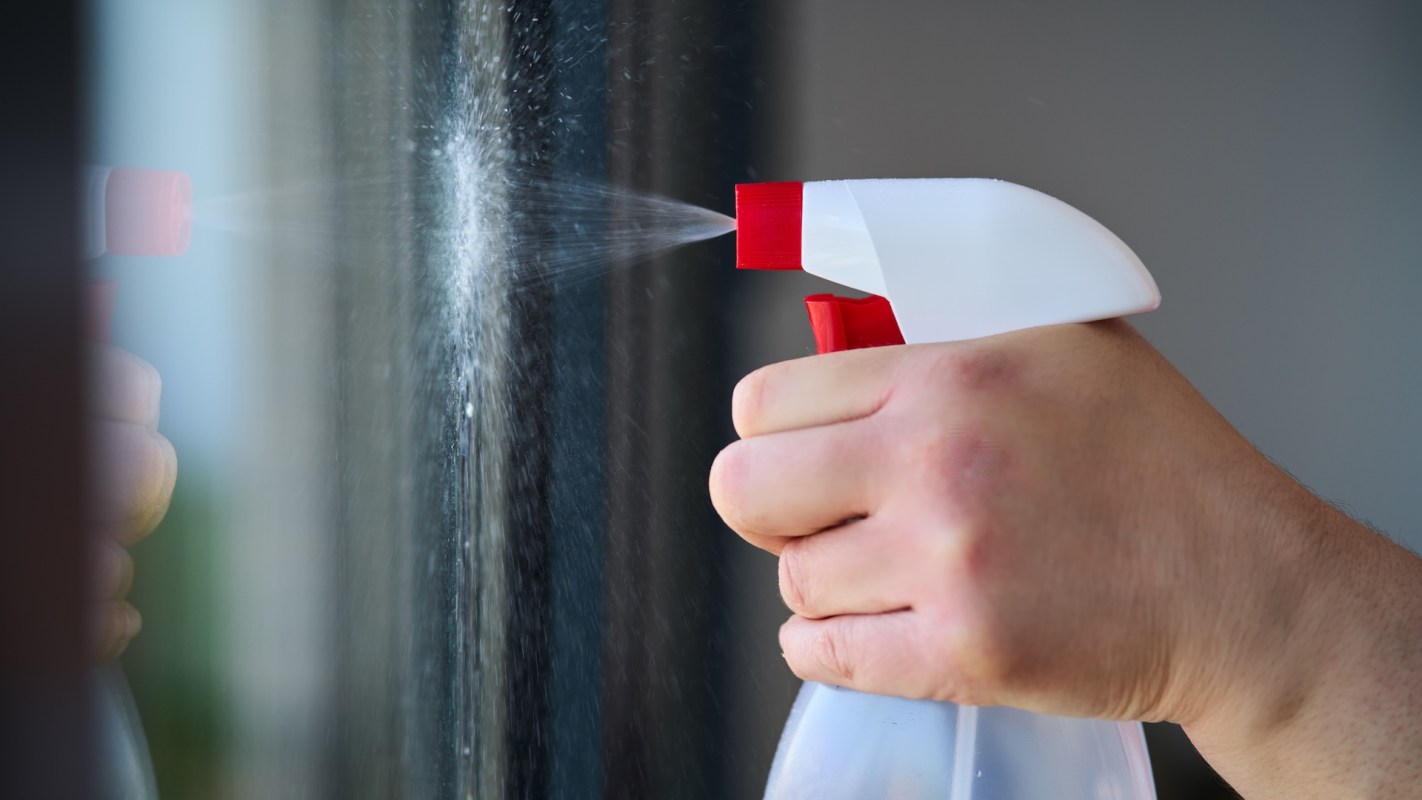
To install them without making permanent changes, they lightly misted the windows and sliding glass doors with water, then smoothed the blankets onto the glass, allowing them to cling in place.
Small adjustments like this can matter when temperatures rise, since rooms hit by intense afternoon sunlight can warm up quickly and even a modest reduction in heat coming through the glass may help.
TCD Picks » Quince Spotlight
💡These best-sellers from Quince deliver affordable, sustainable luxury for all




Plus, the original poster explained that the materials cost less than $1 per window and "significantly" reduce their summer energy bills.
Why does it matter?
At less than $1 in materials per window, even trimming a few dollars from a single monthly power bill could cover the cost.
Electric bills frequently jump in the hottest part of summer. When sunlight streams through uncovered windows, rooms can heat up fast, which pushes air conditioners to cycle longer and more frequently. A reflective layer can help keep some of that heat away before it builds up indoors. On top of that, rates can rise as demand increases, often requiring companies to buy more power on the market to meet it.
The original poster said the Mylar comes down in the fall, which lets passive solar warmth back into the home when temperatures cool.
Because emergency blankets are inexpensive, lightweight, and readily available, the method does not require costly new windows or major renovation work.
What can I do?
This approach works best on windows or sliding glass doors that receive the most intense direct sunlight — especially south- and west-facing glass, which often causes rooms to heat up during the afternoon.
Trying it out is relatively cheap, and costs may stay especially low if blankets are purchased in bulk. If the setup cuts cooling costs even modestly during a hot spell, it could pay for itself quickly.
While this tip can be beneficial to certain homeowners, people in the comments suggested that it should be used as one part of a larger strategy to control heat in the home. In the thread, commenters pointed to better attic insulation and quality ceiling fans as other ways to improve comfort while easing the load on a cooling system.
Exterior measures such as awnings may also help by blocking the sun before it reaches the glass.
And improving your home's cooling system with a more efficient heat pump HVAC can dramatically reduce your annual energy bills.

Get TCD's free newsletters for easy tips, smart advice, and a chance to earn $5,000 toward home upgrades. To see more stories like this one, change your Google preferences here.