


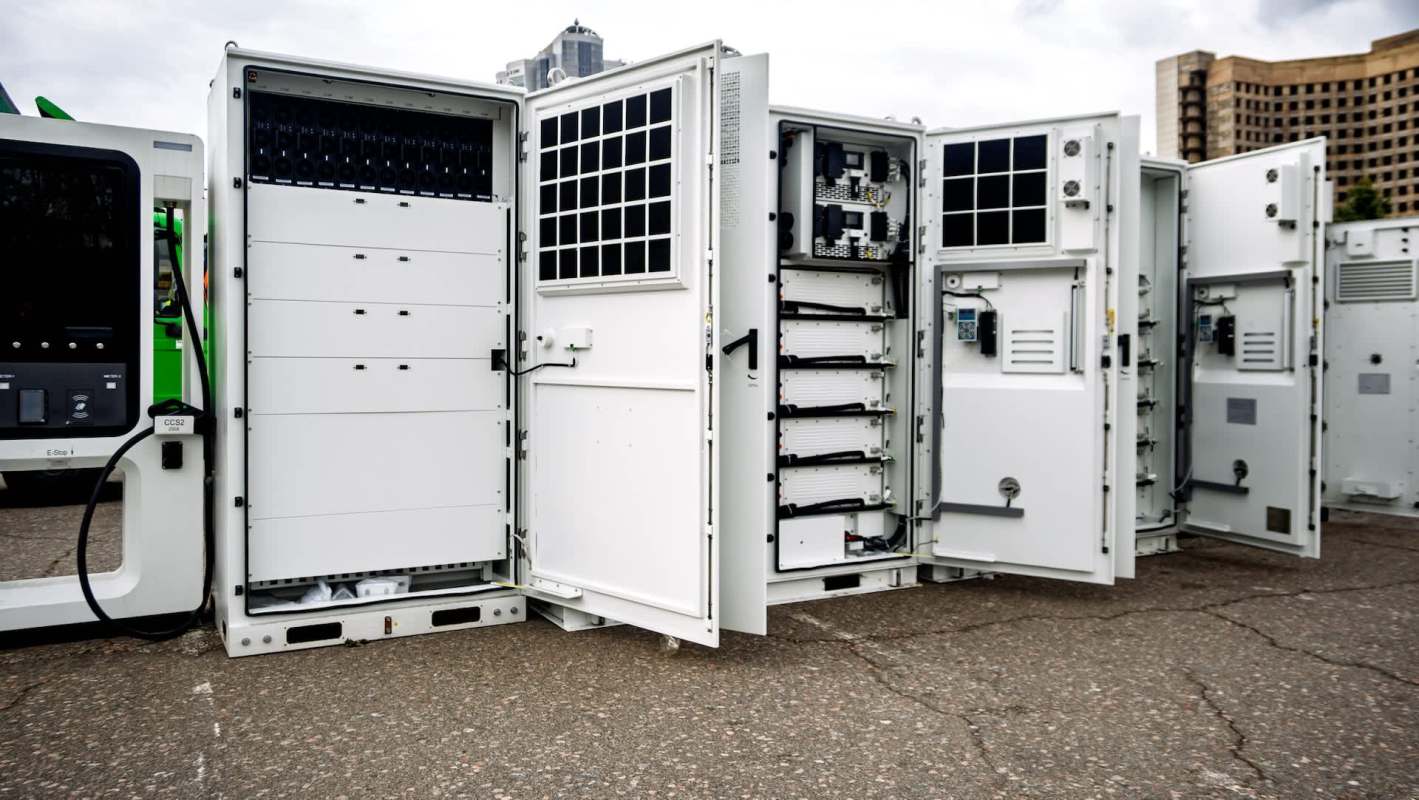
Cloud storage, streaming, and AI all rely on the vast server farms, with many of them clustered in Northern Virginia.
The region helped shape the internet's rise, but it is also at the center of intensifying disputes over power, water, taxes, and the effects on nearby communities.
What's happening?
By 2024, Virginia had 131 operating data centers statewide, including 71 in Loudoun County alone, according to a 2024 Joint Legislative Audit and Review Commission study cited by the Virginia Mercury.
The region's dominance in the sector dates to the late 1990s, when America Online and major internet exchange infrastructure helped turn Ashburn into a critical hub for online traffic.
Buddy Rizer, executive director for Loudoun County Economic Development, said, per the Virginia Mercury, "You can't overstate the importance of AOL, right? AOL didn't invent the internet, but they made it accessible to ordinary Americans at the moment that the commercial internet was starting to take off."
After that early start, Virginia continued to attract the industry for several reasons: closeness to Washington, D.C., and federal customers, broad fiber networks, available land, and comparatively low electricity rates. The state also reinforced growth with a sales and use tax exemption adopted in 2008, which is now estimated to cost about $1.9 billion a year in foregone revenue.
TCD Picks » Quince Spotlight
💡These best-sellers from Quince deliver affordable, sustainable luxury for all




There is also local fiscal upside. According to the Virginia Mercury, Loudoun officials have said data centers generate more than $100 million annually for schools and government services while helping sustain years of lower real estate tax rates for homeowners.
Why does it matter?
It has all prompted worries from residents about facilities near homes, drinking water supplies, and transmission lines. The facilities also have a large electricity footprint. Based on 2023 utility filings reported by the Virginia Mercury, Dominion Energy and the Mecklenburg, Northern Virginia, and Rappahannock electric cooperatives said data centers accounted for roughly 5,050 megawatts on a peak-load forecast basis that year.
AI's expansion adds to that demand. Training and operating AI models requires enormous computing power, which can increase electricity demand, require more water use for cooling, strain local infrastructure, and potentially raise utility bills.
As data centers spread south and west in search of land, questions about who pays, who benefits, and how much growth communities are willing to accept are spreading with them.
What's being done?
Rather than back away from the industry, lawmakers have moved to tighten oversight through a new set of taxes and rules. The state has kept the sales tax exemption for now, but it will expire in 2035 unless lawmakers act again.
Virginia coupled that with a new tax on data center energy use that is expected to raise about $600 million annually. Gov. Abigail Spanberger defended the move, telling the Virginia Mercury, "The consumption tax, as we've conceived of it here in the commonwealth, is one that's based on fairness."
Other measures focus on reducing water use in scarce areas, encouraging cooling systems that require less water, regulating data center noise for the first time, and requiring cleaner backup generators.
Lawmakers have also directed a work group to study how the tax exemption could be scaled back or phased out, with a report due in November.

Get TCD's free newsletters for easy tips, smart advice, and a chance to earn $5,000 toward home upgrades. To see more stories like this one, change your Google preferences here.






