


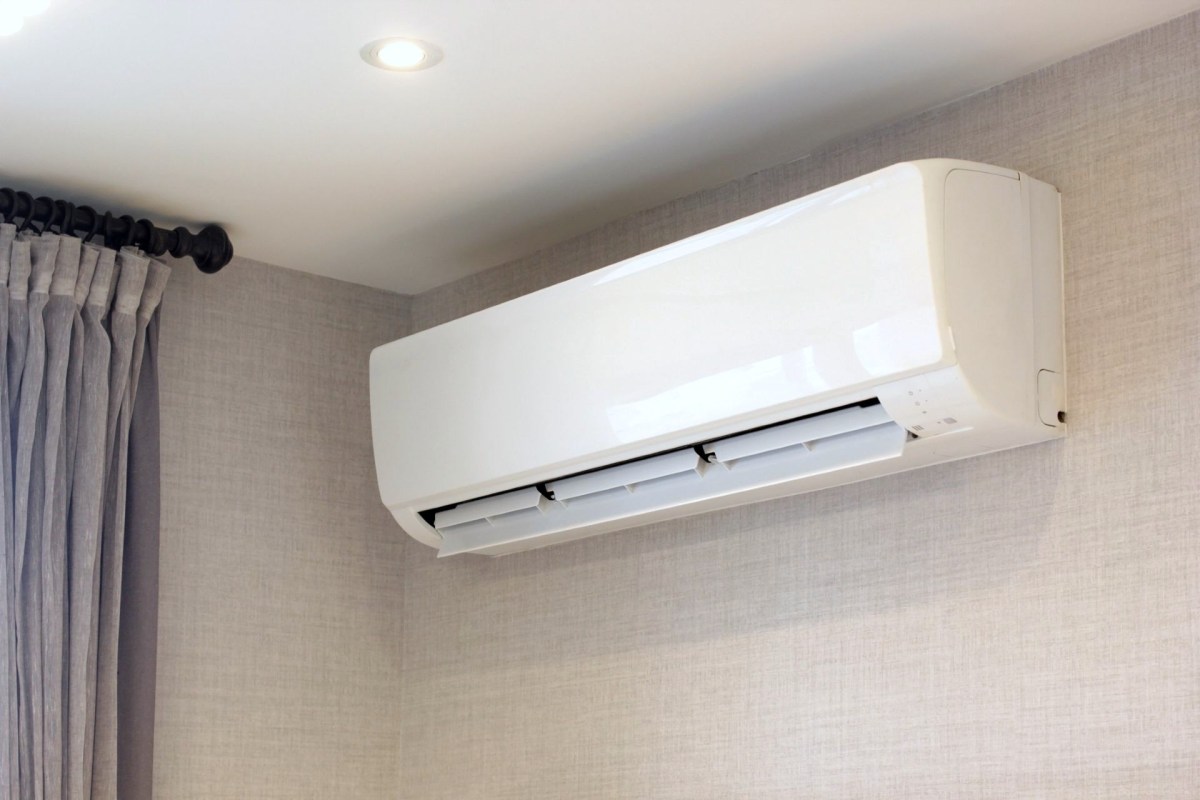
Extreme summer heat is changing what matters most for many people in Europe. Even with trade friction between European governments and China still unresolved, Chinese-made air conditioners are helping many residents cope with the unbearably hot season.
The surge in demand shows how climate pressures can upend political and economic priorities, especially when dangerous temperatures arrive faster than local systems are ready to handle.
What's happening?
Demand for cooling devices is climbing across Europe as the current heat wave intensifies. That rush to stay cool is helping Chinese manufacturers, according to NBC News, despite strained trade relations between China and Europe.
Ongoing disputes have done little to change one immediate reality: When heat becomes hazardous, low-cost ways to cool homes and workplaces move to the top of the list.
Air conditioning has not been as common in Europe as it is in some warmer parts of the world. But recurring periods of extreme heat are pushing more households, offices, and stores to seek dependable indoor cooling.
Because they are already major appliance producers and can often deliver at relatively low cost and on short timelines, Chinese manufacturers are in a strong position to supply that growing need.
TCD Picks » Quince Spotlight
💡These best-sellers from Quince deliver affordable, sustainable luxury for all




Why does it matter?
Extreme heat is not just uncomfortable — it can be deadly. During a heat wave, there is an increased risk of dehydration, heat exhaustion, heat stroke, and complications for people with heart, lung, and kidney conditions. Older adults, outdoor workers, and low-income families can face especially high risks.
There is also an environmental downside. Traditional air conditioners can increase electricity use, and when that power comes from oil, gas, or coal, cooling can contribute to the same pollution that is heating the planet in the first place. Some refrigerants used in older systems can also become potent climate pollutants if they leak. Climate adaptation is becoming a necessity, not a luxury.
What's being done?
In the short term, consumers and governments are focused on protection.
Cities across Europe regularly open cooling centers and expand public health alerts. Residents are also urged to stay hydrated, avoid midday activity, and check on vulnerable neighbors during heat emergencies.
Inside homes, residents can use energy-efficient air conditioners and heat pumps to help reduce utility bills. Basic steps such as closing blinds, improving insulation, using fans strategically, and sealing drafts can also help keep homes cooler while reducing electricity use.
Europe is under pressure to speed up building retrofits and urban heat protections, including better shade, reflective materials, and more green space.
The current surge in Chinese air-conditioner sales shows that adaptation markets are growing quickly. As heat becomes more intense, communities will need both immediate relief and longer-term solutions that make homes, power grids, and neighborhoods safer.
When dangerous heat arrives, people need relief wherever they can find it, and the growing reliance on imported air conditioners shows how urgently countries must prepare for a hotter world.

Get TCD's free newsletters for easy tips, smart advice, and a chance to earn $5,000 toward home upgrades. To see more stories like this one, change your Google preferences here.






