


Pennsylvania residents are dealing with extreme heat at the same time a major utility provider is raising electricity rates. For households running air conditioning to stay safe, that overlap means higher costs may arrive when cutting back is not realistic.
What happened?
According to a report from WFMZ, most PPL Electric Utility customers in Pennsylvania will soon pay about $7 more on their bill as the company increases its rates for the first time in a decade.
Under a Pennsylvania Public Utility Commission settlement, PPL is allowed to bring in an additional $275 million a year in distribution revenue. WFMZ said that for a residential customer using 1,000 kilowatt-hours per month, the change equals a 3.23% increase.
Homeowners across the country are seeing skyrocketing utility rates as America's grid infrastructure ages and faces an influx of energy-hungry data centers. However, some homeowners are taking their energy into their own hands by adopting solar panels and battery backups.
One of the best ways to save money on home energy, especially when utilities raise rates during the hottest weeks of the year, is by going solar. Homeowners can use EnergySage to get quick solar installation estimates, and EnergySage also helps compare quotes from installers.
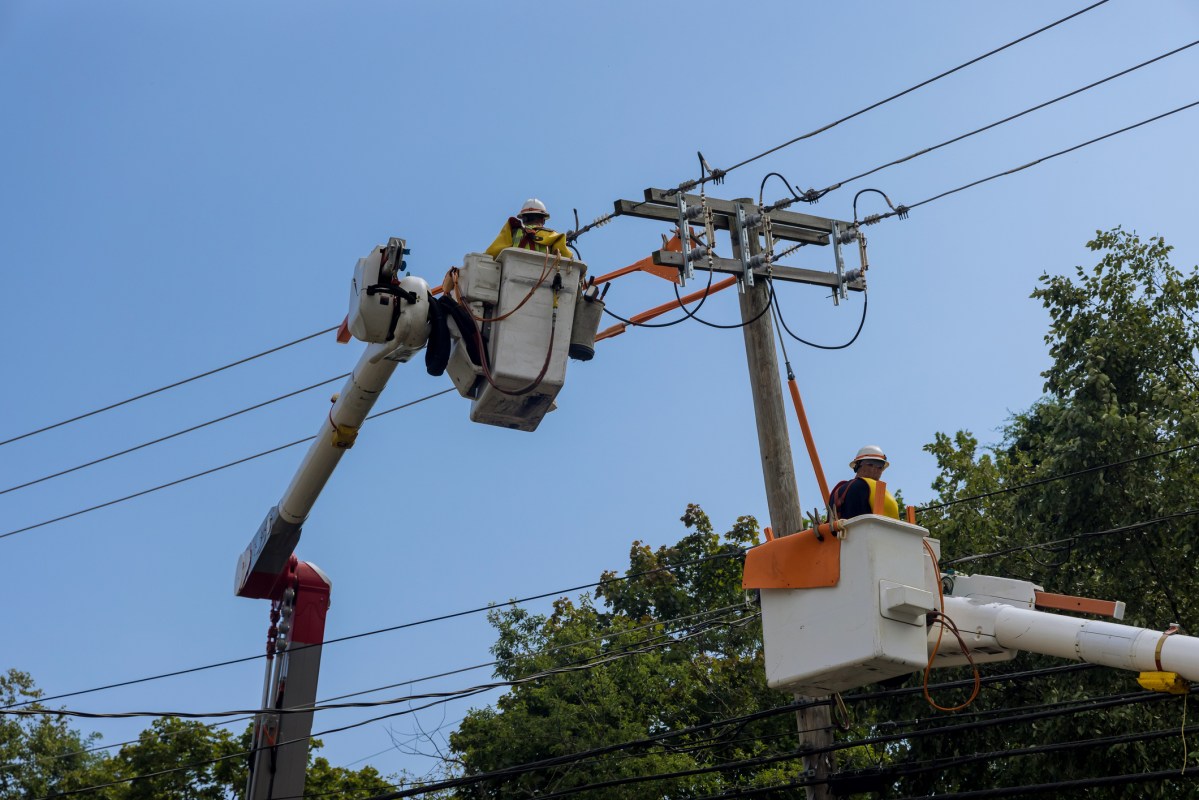
In Pennsylvania, PPL told WFMZ that the added money is intended for work such as maintaining the grid, trimming trees, and replacing poles and wires. The utility also said it cannot request another electricity distribution-rate increase before 2028.
Why does it matter?
A $7 jump may not sound huge on paper, but during a heat wave, families often have little choice but to use more electricity.
When temperatures rise to dangerous levels, cooling a home is a basic health safeguard, especially for older adults, children, and people with medical conditions.
Save $10,000 on solar panels without even sharing your phone number Want to go solar but not sure who to trust? EnergySage has your back with free and transparent quotes from fully vetted providers that can help you save as much as $10k on installation. To get started, just answer a few questions about your home — no phone number required. Within a day or two, EnergySage will email you the best local options for your needs, and their expert advisers can help you compare quotes and pick a winner. |

Utilities can lock in major revenue increases for infrastructure upgrades, while residents are left trying to manage higher bills during already expensive summer months.
What can I do?
For immediate savings, WFMZ said local HVAC technicians recommend cleaning filters and leaving the fan setting on "on" instead of "auto." PPL also advised customers to close off unused rooms, keep blinds and drapes shut, and reduce heat from appliances.
For longer-term savings, EnergySage's free services can be especially valuable for homeowners looking into solar as power prices rise.
By using EnergySage to help with solar purchases and installations, the average person can save up to $10,000.
More From EnergySage
💡Go deep on the latest news and trends shaping the residential solar landscape
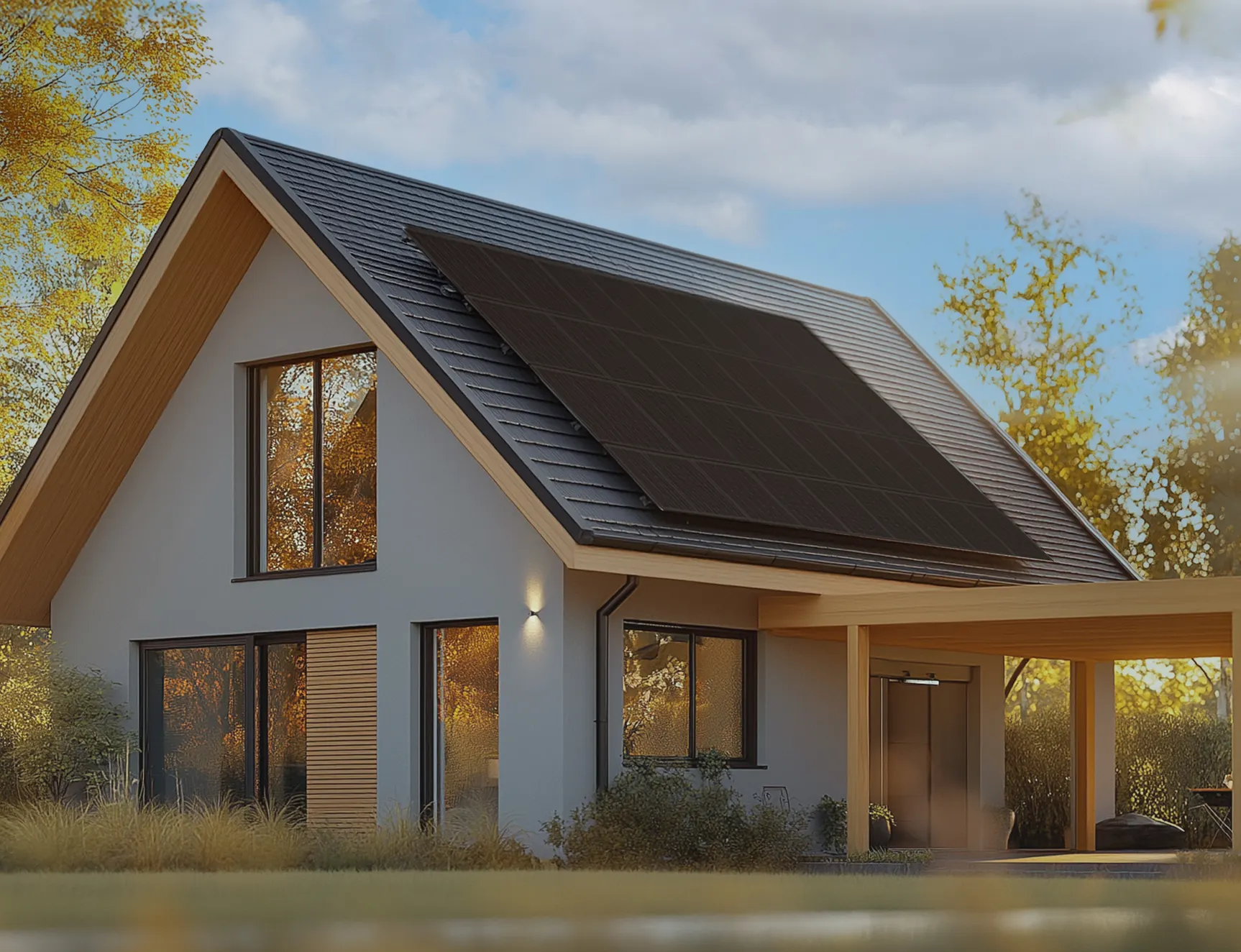
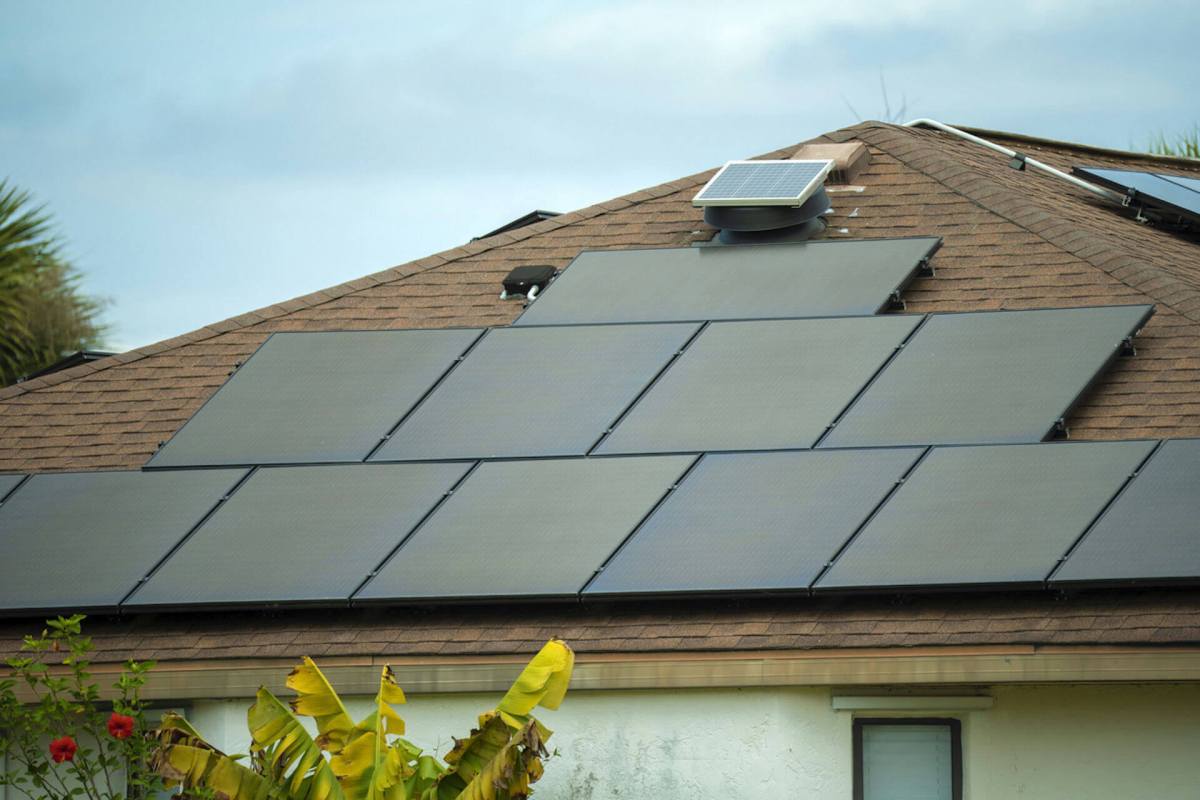

Tools like EnergySage's solar map show the average cost of a home solar panel system in each state and break down available solar incentives, helping shoppers get the best price for rooftop panels.
Adding battery storage to a solar setup is also a good way to protect your home during outages, save money on energy, and go off-grid. Homeowners who want to compare battery options can explore EnergySage's free battery tools that can connect you with competitive installation estimates.

Get TCD's free newsletters for easy tips, smart advice, and a chance to earn $5,000 toward home upgrades. To see more stories like this one, change your Google preferences here.







