


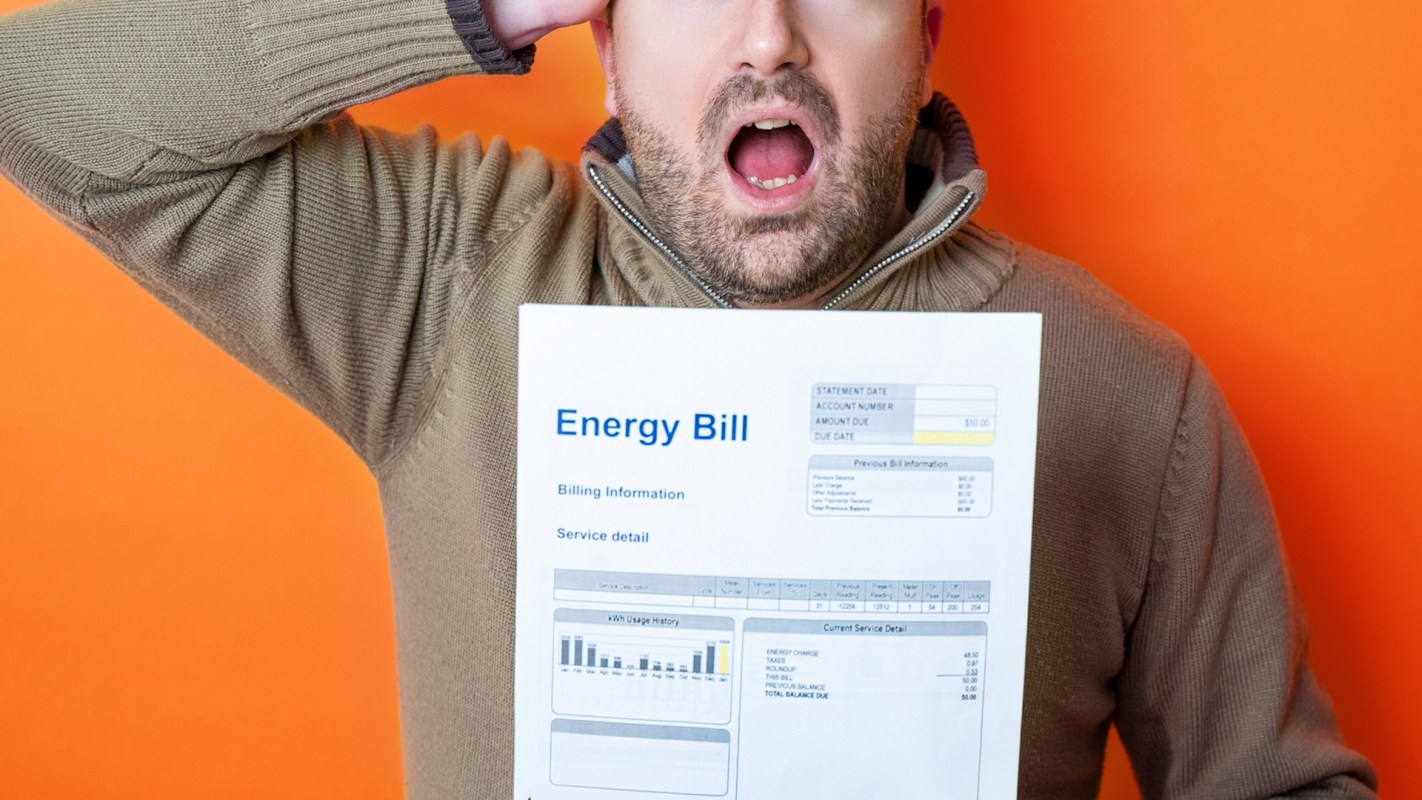
Arizona's brutal summer is hard enough without the seasonal shock of opening a utility bill. This year, the state is expected to post the country's highest electricity costs for the hottest months, according to the Phoenix New Times.
For many households, staying safe during extreme heat is becoming increasingly unaffordable.
What's happening?
The National Energy Assistance Directors Association used electricity pricing data from the Energy Information Administration and temperature forecasts from the National Oceanic and Atmospheric Administration to project Arizona's energy costs.
It found that they would be about $1,060 between June and September for Arizona residents, the Phoenix New Times reported. That would make Arizona the only state expected to top four digits in summer cooling expenses.
NEADA also projected a national summer average of $792, which would be a record and 40% higher than in 2020.
Elsewhere, Connecticut was projected to rank second at $994, while North Dakota was expected to have the lowest summer electricity bills at $488. Even neighboring New Mexico came in much lower at $584.
In Arizona, air conditioning is essential for much of the year, and the state's relentless heat shapes household budgets.
Why does it matter?
During extended heat waves, cutting back on cooling too much can pose serious health risks to everyone.
Save $10,000 on solar panels without even sharing your phone number Want to go solar but not sure who to trust? EnergySage has your back with free and transparent quotes from fully vetted providers in your area. To get started, just answer a few questions about your home — no phone number required. Within a day or two, EnergySage will email you the best options for your needs, and their expert advisers can help you compare quotes and pick a winner. Solar panels can save you more than $50k over their 25-year lifespan, and EnergySage can help you save as much as $10k on installation. Which begs the question — isn't that worth an email or two? |

The financial strain could become even more severe if utility rates continue climbing. Last year, Arizona Public Service sought a 14% increase for domestic customers, about $20 more per customer per month, while also proposing changes affecting solar customers, data centers, and "formula rates."
What's being done?
Arizona Attorney General Kris Mayes, who previously served as a corporation commissioner, has pushed back against APS over the proposed increases. Her office has intervened in the utility's rate case, arguing that residents should not be forced to absorb costs that data centers should shoulder.
For people planning bigger efficiency upgrades, comparing equipment, incentives, and installer quotes can help avoid overpaying. Homeowners considering a system replacement can also use EnergySage's Heat Pump Marketplace to weigh models and savings opportunities before committing.
And for those interested in generating their own power, EnergySage also offers a free solar quotes comparison tool. With EnergySage's help, the average person can get nearly $10,000 in incentives for solar purchases and installations.
For small but mighty upgrades, Merino offers single-room, ultra-efficient HVAC systems at a lower price point, giving households a targeted heating and cooling option that can be installed in under an hour.

Get TCD's free newsletters for easy tips, smart advice, and a chance to earn $5,000 toward home upgrades. To see more stories like this one, change your Google preferences here.






