


Chicago's punishing heat wave is affecting more than just residents' comfort.
With dangerous temperatures driving heavy power use, Illinois' largest electric utility, ComEd, said parts of the system serving the greater Chicago area have reached a "critical level," prompting an immediate request for customers there to use less electricity.
What's happening?
According to NBC Chicago, ComEd told customers in parts of Chicago and several western suburbs to cut electricity use immediately.
Wednesday was the third straight day that northern Illinois remained under an extreme heat warning. Forecasters expected temperatures in the mid-90s, with heat index values breaking 100, conditions that can sharply increase air-conditioning use, especially later in the day.
The request covered Chicago neighborhoods including Austin, Garfield Park, Douglas Park, North Lawndale, and Little Village, along with suburbs such as Oak Park, Maywood, Forest Park, Stickney, Riverside, North Riverside, Cicero, and Berwyn.
ComEd also sent text alerts to some customers in impacted communities, per NBC Chicago. In a text sent to one resident in Cicero, equipment impacts were said to be "straining the grid" and it warned "Immediate energy reduction needed."
TCD Picks » Quince Spotlight
💡These best-sellers from Quince deliver affordable, sustainable luxury for all




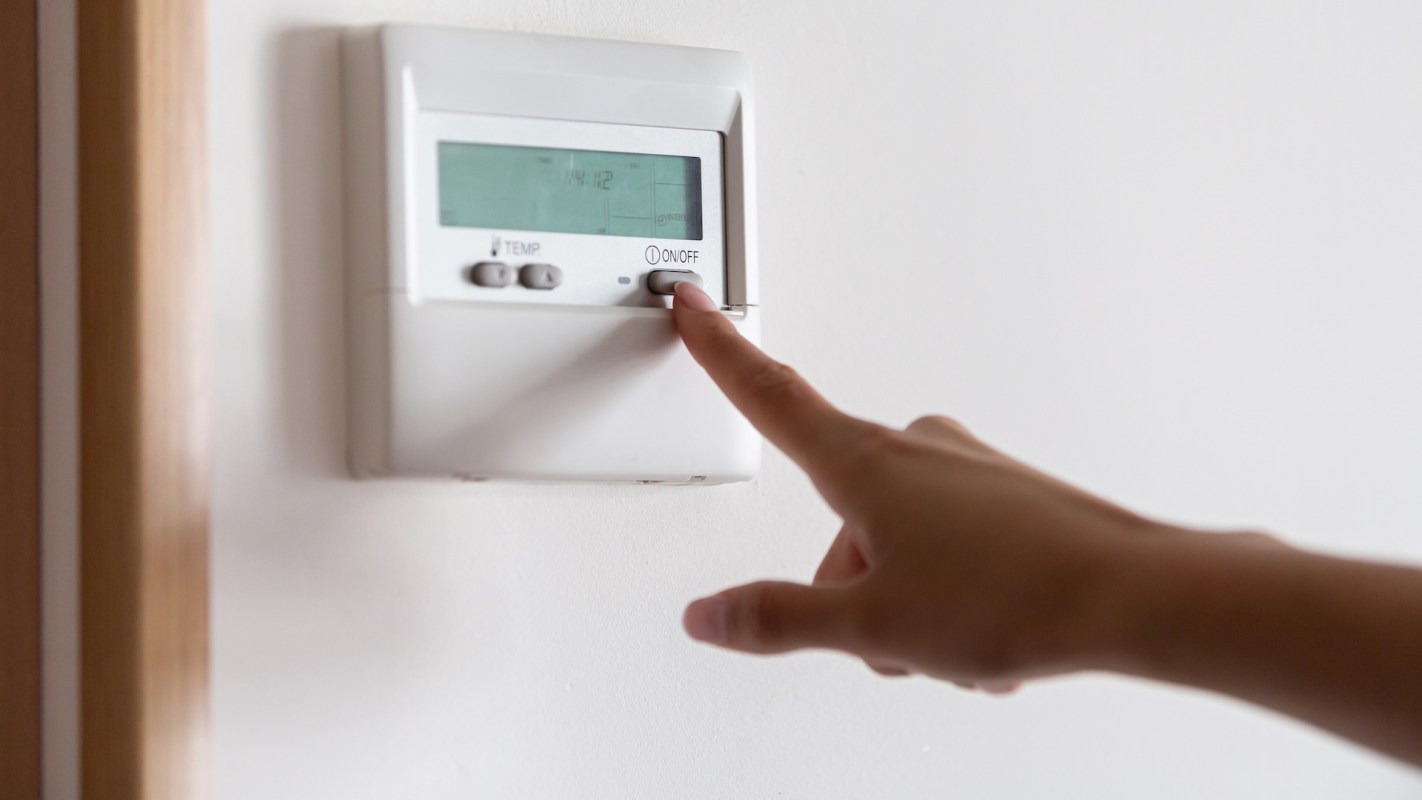
The utility's suggestions for easing demand were to raise thermostats by four degrees, close windows and blinds or shades, and unplug lights and electronics that were not in use.
Why does it matter?
When extreme heat forces grid equipment to work harder than usual, the concern is not just higher electricity use; it can also leave the system more fragile at the exact moment people depend on cooling the most.
Reliable cooling becomes even more important as temperatures climb, particularly for older adults, young children, and anyone with health conditions that make heat more dangerous.
The steps ComEd recommended can help reduce home energy use during the hottest part of the day, when air conditioners tend to work hardest.
During a prolonged heat wave, small changes at home can add up as cooling costs build from one day to the next. Using less electricity by keeping sunlight out, setting the thermostat a few degrees higher, and unplugging devices that are not being used can all help.

Get TCD's free newsletters for easy tips, smart advice, and a chance to earn $5,000 toward home upgrades. To see more stories like this one, change your Google preferences here.






