


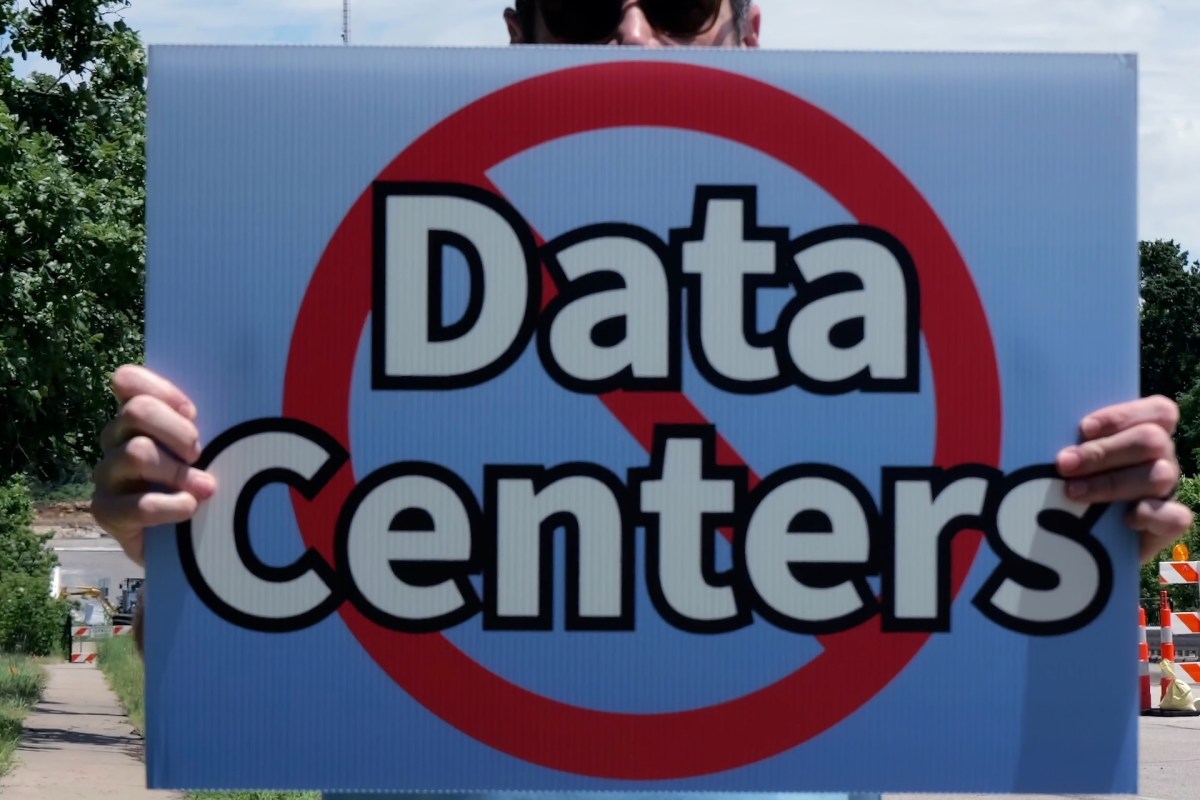
In western Massachusetts, community hearings about data centers are increasingly turning into a broader test of how much AI-related infrastructure residents are willing to accept.
Opponents in Holyoke and Westfield have said the proposed facilities could overburden electricity systems and water supplies while creating air-quality problems.
What's happening?
Holyoke has already moved to shut the door on new data centers, while Westfield is considering a temporary pause on new projects.
According to The Shoestring, Holyoke's City Council approved an effective ban that Mayor Joshua Garcia later signed, and Westfield's City Council passed the first of the two votes needed for a one-year moratorium, with the final vote set for July 6.
Both cities saw strong turnout as the issue came before local officials.
At Westfield's June 18 meeting, resident Ann Mangold told councilors, "I want to find out whether we can just put a 100% stop to data centers, period. Not just a temporary moratorium, but a stop to all."
TCD Picks » Quince Spotlight
💡These best-sellers from Quince deliver affordable, sustainable luxury for all




The meeting drew a large audience, with only standing room and residents piling into the halls.
Holyoke residents delivered much the same message, with individuals gathering around the city hall with signs calling for a ban on AI. Anne Thalheimer, Holyoke's Ward 3 councilor and the ban's sponsor, said people in the city wanted clear protections.
"What they want is a ban," she told The Shoestring. "We have the opportunity to move a ban forward. … There is no way that we can come out of this meeting as legislators without protection for the city."
The fight is focused on regulating projects with large electricity demands. One proposal in Holyoke would use 20 megawatts of power, and a Servistar Realties LLC plan in Westfield that has been discussed for years could span 10 buildings with "between 18 to 42 megawatts of critical IT electric load."
The proposed ban would not affect the Massachusetts Green High Performance Computing center, which is allowed up to 12 megawatts of peak draw. Questions also remain about how the ordinance might apply to a separate MIT Lincoln Laboratory supercomputer site in Holyoke, which operates with windowless steel "eco-pods."
Why does it matter?
As AI use expands, data centers have become a subject of growing debate in many communities around the country because the computing behind those tools requires huge amounts of power from the grid.
That technology can deliver benefits — including helping utilities predict demand, run cleaner energy systems more effectively, and improve efficiency — but it can also drive up electricity and water consumption, raise pollution concerns tied to backup power, create cybersecurity and misuse risks, and possibly push utility bills higher for other customers.
Citing a Lawrence Berkeley National Laboratory report, The Shoestring said data centers used 4.4% of U.S. electricity in 2023 and could reach 12% by 2028.
In communities with limited power infrastructure, even a single large data center can become a major issue very quickly with all that new pressure put on the local grid.
Before Holyoke's vote, at least 100 people gathered for a rally, where resident Iris Espada urged councilors: "Do your job. Please, put in place this ban. Take your time. Investigate thoroughly. Don't make us into guinea pigs."
Others disagreed with efforts to block the projects.
Jeremy Dunn, business manager of International Brotherhood of Electrical Workers Local 7, said a data center "would just be an injection into the local economy" through jobs and tax revenue.
What's being done?
Westfield officials said the proposed one-year moratorium would buy time to determine whether there are places in the city where data centers could operate without harming "public health, drinking water, and air quality," as At-Large City Councilor Kristen Mello put it.
State officials are acting as well. Gov. Maura Healey has halted tax breaks for data center developers, and state Sen. John Velis has proposed making data centers cover the cost of the electricity and water they use.
Velis told The Shoestring, "I think there is anger, I think there's folks being upset."
Separately, Westfield utility officials said the Servistar project would still need an interconnection study and a new substation funded by the developer, which they estimated would take about five years before construction can move forward.

Get TCD's free newsletters for easy tips, smart advice, and a chance to earn $5,000 toward home upgrades. To see more stories like this one, change your Google preferences here.






