


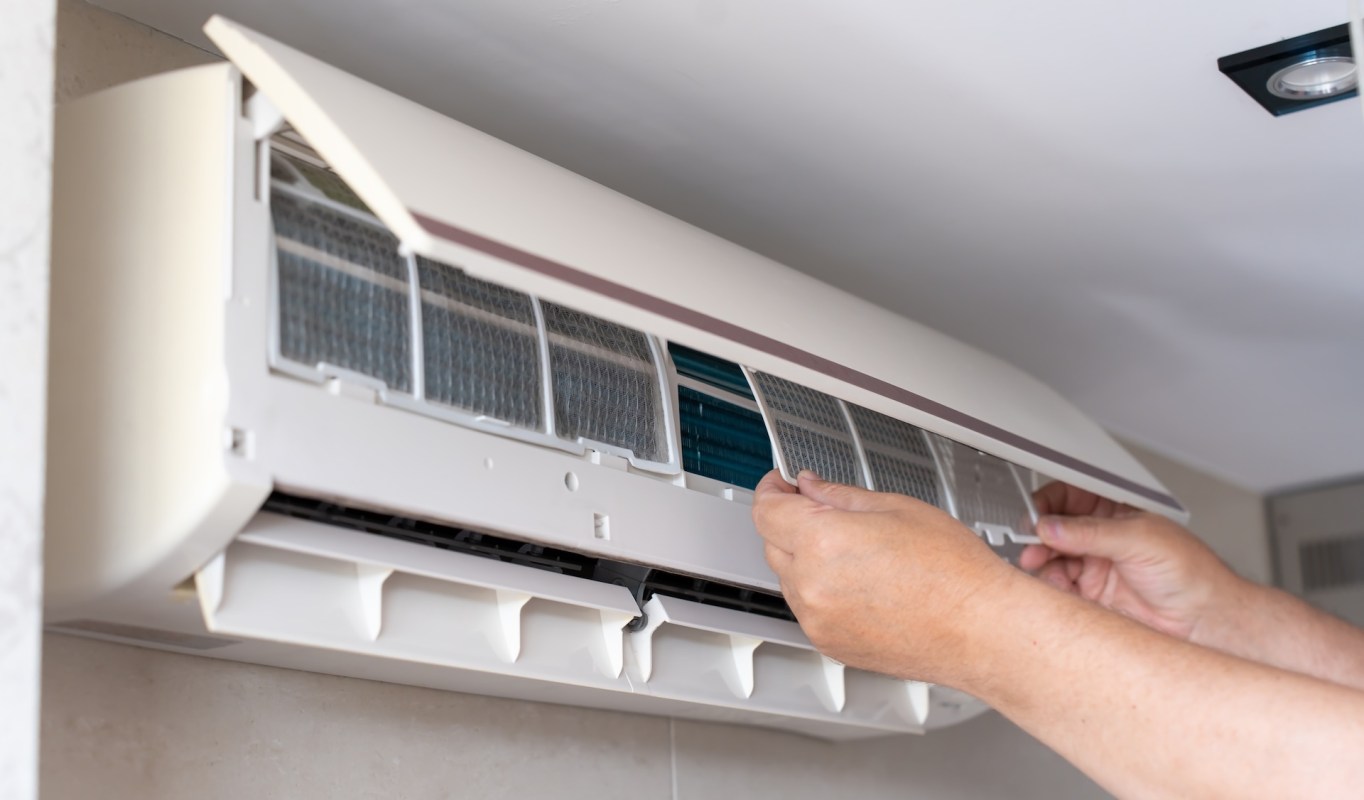
When temperatures spike in South Carolina, dialing down the thermostat setting may seem like the fastest way to cool down. However, that move won't chill the house any quicker, and Horry Electric Cooperative said it can push your power costs even higher.
What's happening?
According to WMBF, Horry Electric Cooperative is giving customers advice on a few everyday habits so extreme heat doesn't turn into a shock when homeowners see sharply higher electric bills.
Garrett Gasque, the co-op's senior marketing and energy representative, noted that many people do not realize how much electricity their AC system consumes.
Gasque told the outlet that heating and cooling tend to dominate household electricity use and take up a large chunk of home energy costs. He said, "If you add up your TV and lights and things, your heating and cooling usually accounts for half of your power bill."
Horry Electric said its summer peak period falls between 3 p.m. and 6 p.m., making that stretch an especially important time to watch energy use. Gasque also said that setting the thermostat much lower does not cool a home faster and instead keeps the system running longer.
Instead, proper insulation — even as simple as using blinds to limit sunlight coming into the house and keep too much cooling from escaping through thinner windows — is a safer bet to help you see your desired temperature sooner.
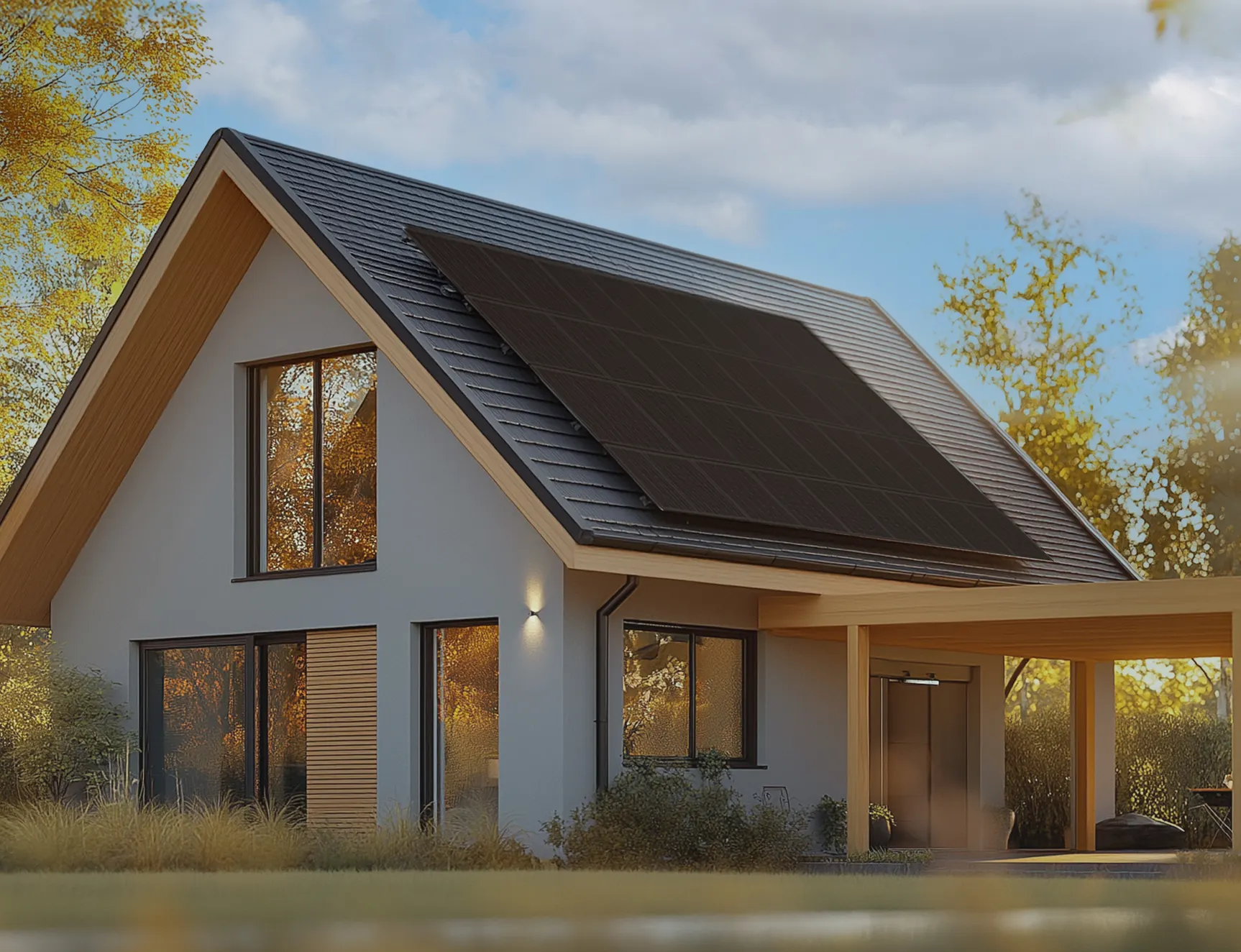
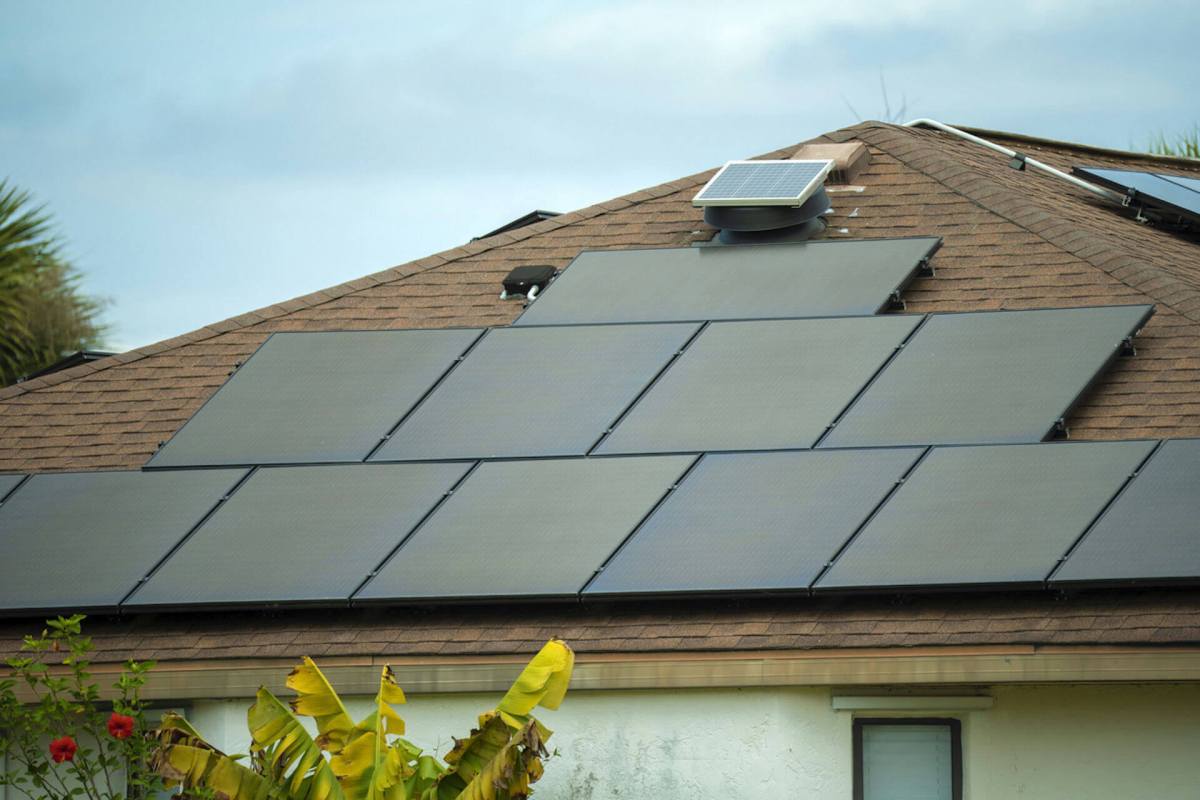
And you're looking for a bigger long-term way to cut home energy costs, going solar and using an efficient heat pump (which does both cooling and heating) are among the best options available. Readers can use EnergySage to get quick solar panel and heat pump installation estimates and compare quotes from vetted installers. Using EnergySage can make it easier to find a setup that lowers your power bills for years, which is especially important during high-demand summer months.
Why does it matter?
For many households, summer power bills can rise quickly, and cooling is often the main reason. If your AC accounts for about half of your electricity use, even small changes to how and when you run it can reduce costs during a heat wave.
Save $10,000 on solar panels without even sharing your phone number Want to go solar but not sure who to trust? EnergySage has your back with free and transparent quotes from fully vetted providers that can help you save as much as $10k on installation. To get started, just answer a few questions about your home — no phone number required. Within a day or two, EnergySage will email you the best local options for your needs, and their expert advisers can help you compare quotes and pick a winner. |

Avoiding unnecessary strain on an AC system can also minimize wear and tear on HVAC equipment.
When large numbers of homes use major appliances at the same time during the hottest part of the day, utilities face heavier demand, which can result in outages and rate increases.
What can I do?
Gasque recommended keeping your thermostat at the warmest level you can comfortably handle, shutting blinds and curtains during the hottest part of the day, and making sure air filters are clean. Sealing leaks around windows and doors can also help keep cool air in and hot air out.
He also pointed out that it's important to know that ceiling fans do not physically decrease the temperature of the room — they only help people feel cooler. Since they don't cool empty rooms, it's best to turn them off when no one is there. He also warned against closing vents in rooms you're not using, since doing so for extended periods can place too much pressure on the ductwork.
More From EnergySage
💡Go deep on the latest news and trends shaping the residential solar landscape

WMBF noted that a programmable thermostat may help by cooling the house before peak hours, and Gasque advised against using other heavy appliances — like the clothes dryer, dishwasher, oven, pool, and water heater — while the AC is working hardest.
Gasque described pre-cooling as one potential solution to reduce the need to turn down the thermostat during the afternoon price hike.
"A few hours before the afternoon or the peak times you could pre-cool your home, then drop it down a couple of degrees so it doesn't have to run at all," Gasque suggested.
For a longer-term strategy, EnergySage's solar map tool shows the average cost of a home solar panel system on a state-by-state level, along with solar incentives available. Together, those resources can help users get the best price for rooftop solar panels and access available incentives.
EnergySage's free services are also worth a look because, with EnergySage's help, the average person can save up to $10,000 on solar purchases and installations. EnergySage is determined to help shoppers understand their options better, especially for people new to solar.
Adding battery storage to a solar setup is one of the best ways to protect your home during outages, save money on energy, and even go off-grid. EnergySage has information about home battery storage options and can provide competitive installation estimates.

Get TCD's free newsletters for easy tips, smart advice, and a chance to earn $5,000 toward home upgrades. To see more stories like this one, change your Google preferences here.






