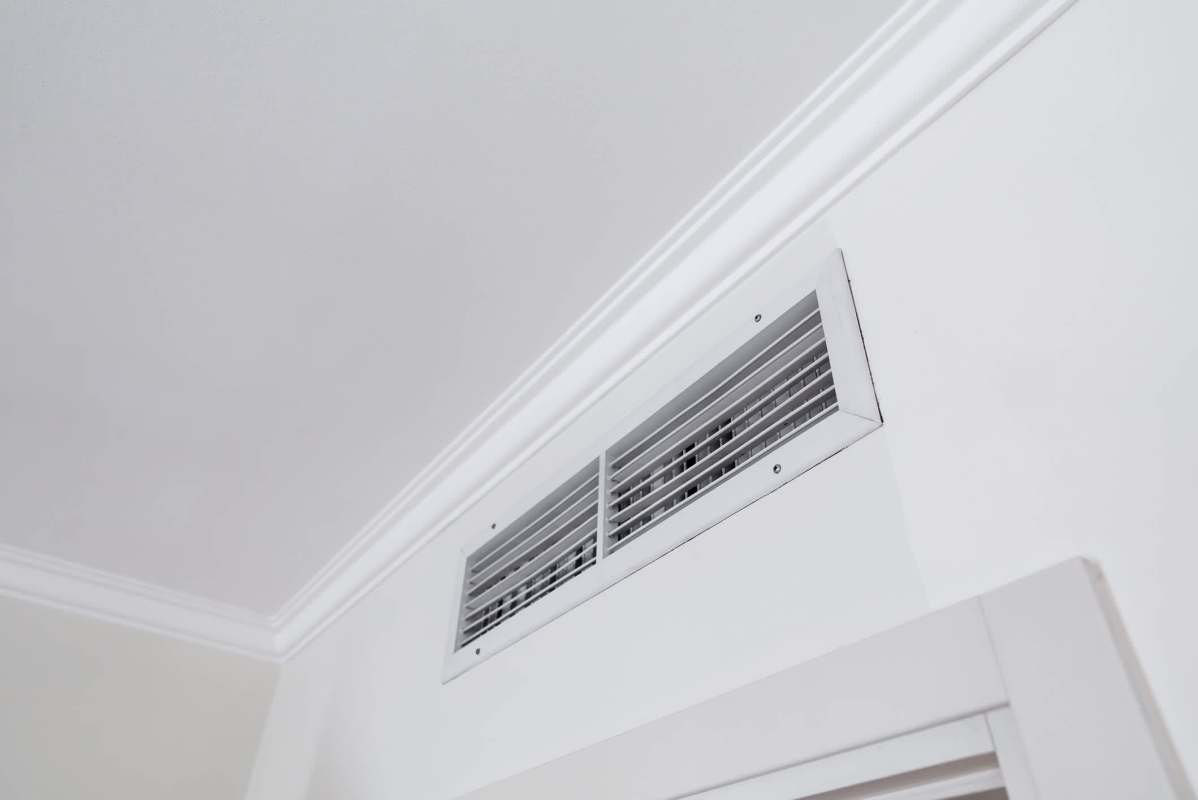
If your air conditioner seems to be running nonstop while your utility bill keeps climbing, one simple measurement could reveal whether the system is cooling properly — or quietly wasting money.
A Jacksonville, Florida, utility company has said the difference between return air and supply air, or a "temperature split," can reveal whether your HVAC is working as it should.
What's happening?
During a home walkthrough with News4JAX anchor and meteorologist Jenese Harris, JEA senior meter specialists Kelly Cox and Luke Byous checked her thermostat, vents, and the load on the meter. They also looked at system settings and how well the AC is cooling.
Cox told Harris the thermostat is usually best at 78 degrees, and the fan should stay on "auto" so it cycles instead of running all the time. The utility company also checked Harris' temperature split.
For homeowners looking beyond small tweaks, going solar is one of the best ways to save money on home energy. Free tools from EnergySage can help you get quick solar panel installation estimates, and EnergySage also lets you compare quotes from installers so you can see whether a bigger energy upgrade makes sense.
Why does a temperature split matter?
A temperature split can be especially revealing. A split of 15 to 20 degrees is considered normal, while a 5 to 6 degree split can signal trouble, like compromised heat strips.
"Think of a heat strip like a toaster oven," Harris explained to News4JAX. "Those hot coils can get stuck on and fight the A/C cooling process in the summer."
Other easy-to-miss problems can also drive up costs at a time when utility bills are straining household budgets. Take a leaking toilet, for example. Harris reported that it can cost hundreds of extra dollars per month, according to JEA experts. Additionally, worn refrigerant-line insulation can reduce cooling effectiveness, making your system work harder than it otherwise would.
Save $10,000 on solar panels without even sharing your phone number Want to go solar but not sure who to trust? EnergySage has your back with free and transparent quotes from fully vetted providers that can help you save as much as $10k on installation. To get started, just answer a few questions about your home — no phone number required. Within a day or two, EnergySage will email you the best local options for your needs, and their expert advisers can help you compare quotes and pick a winner. |

What can I do?
JEA is encouraging customers to take advantage of its free efficiency assessments, which review utility use and look for common issues that can push summer bills higher.
Homeowners can call 904-665-6000 to schedule a free efficiency assessment. In the meantime, JEA offered practical advice to help homeowners lower their energy loads, per News4JAX.
It said householders should close blinds on sunny south- and west-facing windows, set the thermostat to 78, keep the fan on auto, check toilets for leaks, and inspect outdoor refrigerant line insulation.
"For every degree you increase your thermostat setting, you can save 5% to 6%," Harris reported.
More From EnergySage
💡Go deep on the latest news and trends shaping the residential solar landscape

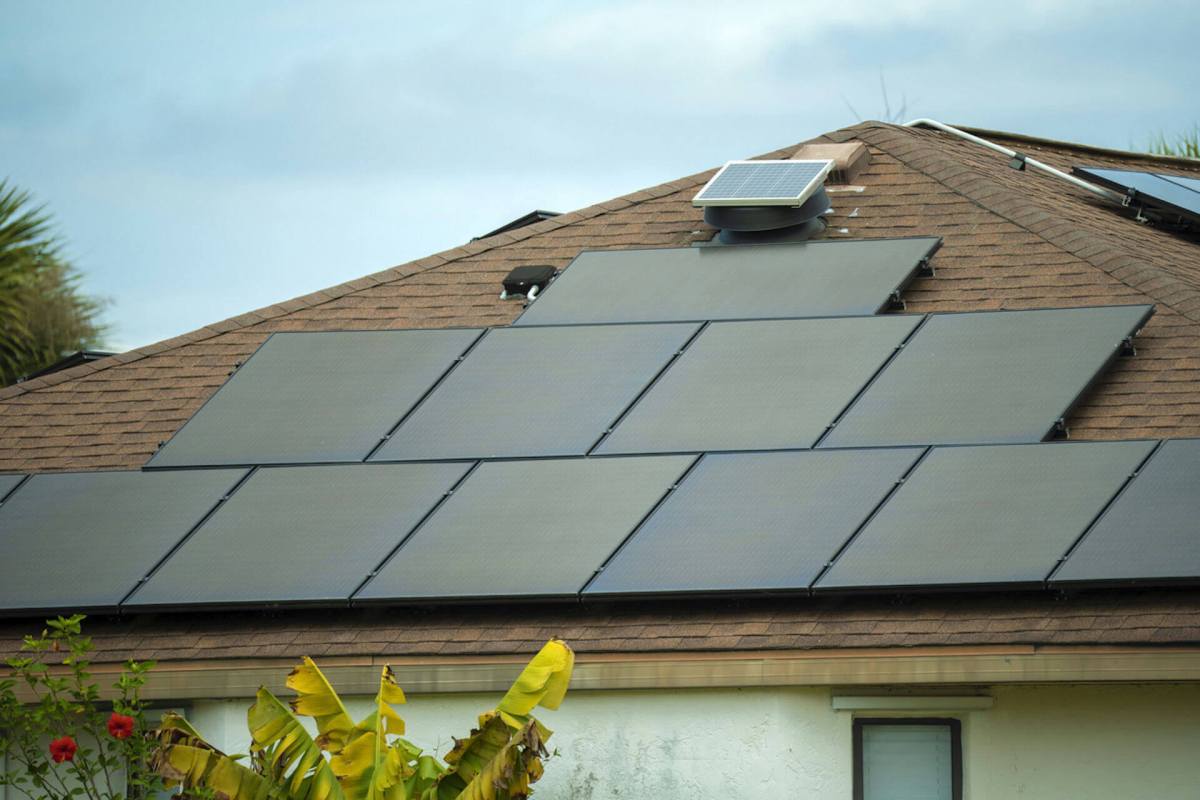

For bigger long-term savings, EnergySage's free services can help homeowners compare solar options without a lot of guesswork.
With EnergySage's help, the average person can save up to $10,000 on solar purchases and installations. Readers can also use EnergySage's solar map, which shows the average cost of a home solar panel system on a state-by-state level, along with details on solar panel incentives in each state, to help get the best price for rooftop panels and access available incentives.
Adding battery storage to a solar setup is also one of the best ways to protect your home during outages, save money on energy, and even go off-grid. If that's of interest, explore free tools from EnergySage for information on home battery storage options, including competitive installation estimates.

Get TCD's free newsletters for easy tips, smart advice, and a chance to earn $5,000 toward home upgrades. To see more stories like this one, change your Google preferences here.