


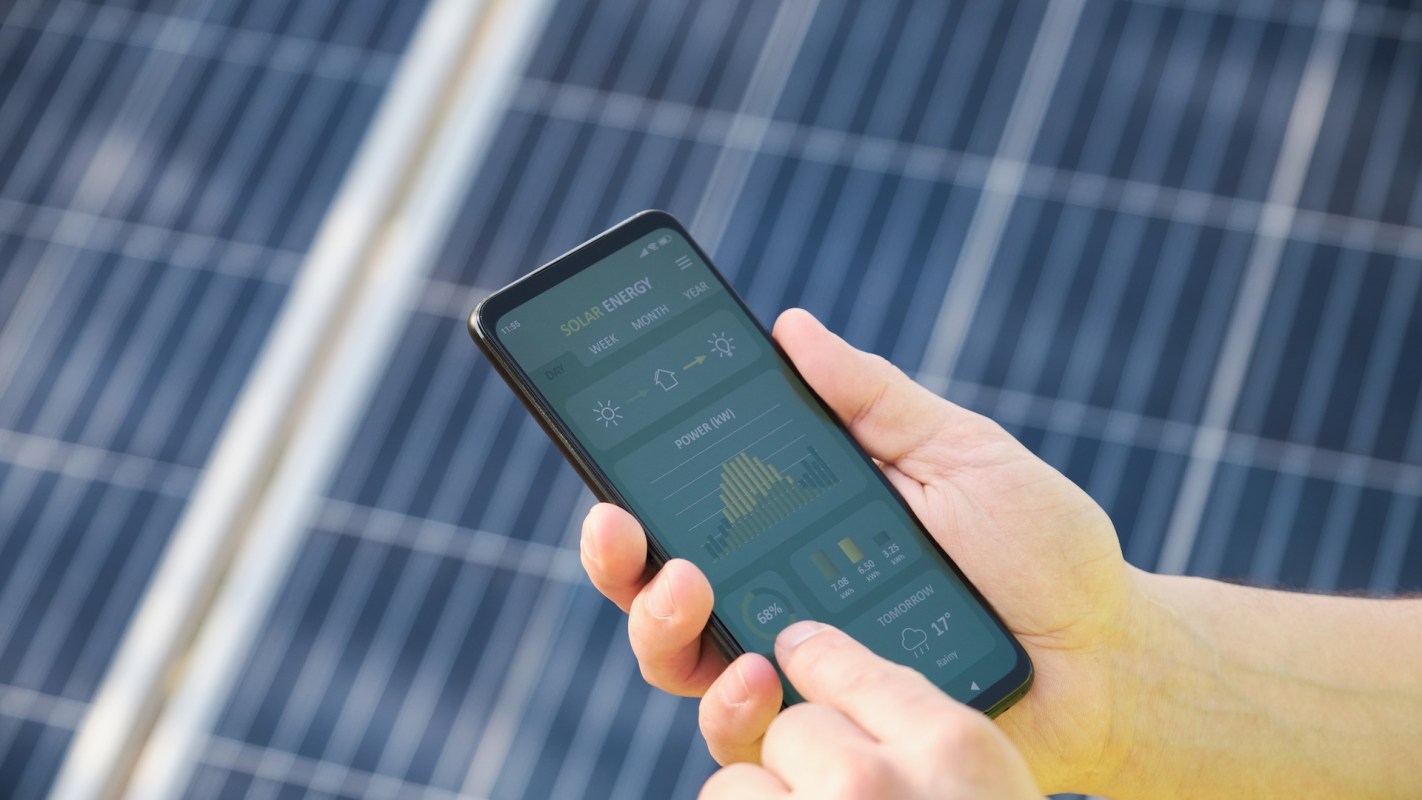
A confusing year-end solar payment has sparked online discussion after a homeowner said their system, which cost about $40,000, appeared to accrue nearly $3,700 in excess-generation credits but ultimately produced a check for just $270.
What happened?
According to a post on Reddit, the homeowner said the installation cost around $40,000 under a net-energy metering program in March 2023, and the system was not cleared to operate until last June.
After a full year of overproduction ("for every month I've been generating excess power"), the homeowner said 12 billing periods showed that their net usage totaled -12,607 kilowatt-hours and estimated total NEM charges came to -$3,686.40. That left them expecting a payout somewhere near that figure, but instead, they said they "only got a check for a paltry $270" from Silicon Valley Clean Energy Authority.
The homeowner added, "I was under the impression that in NEM2.0 I'll be paid 1:1, i.e. market rate, for any excess power generation that I send their way." They also said high Pacific Gas & Electric bills were "a driving factor to jump into solar before closing of the NEM 2.0 window."
"Tracking monthly numbers I was giddy that I was going to recoup my investment in ~10yrs time, but alas I'm likely way off base here," the original poster continued. "I'm gonna call them tomorrow to understand. … Tapping into wisdom of the crowds in the meanwhile."
Going solar is still one of the best ways to save money on home energy, especially for households facing steep utility rates. Free tools from EnergySage can help homeowners get quick solar installation estimates and compare quotes before making a big investment. Shopping around matters, and EnergySage makes it easier to see what a system could cost and how long it may take to pay off.
Why does it matter?
The post points to one of the more confusing aspects of rooftop solar economics: Reducing a monthly electricity bill is not always the same as getting paid at that same rate for extra power sent back to the grid.
In many net-metering structures, exported electricity can offset grid power used over the year, but any remaining annual surplus may be compensated at a far lower rate than the retail price homeowners see on their utility statements.
Save $10,000 on solar panels without even sharing your phone number Want to go solar but not sure who to trust? EnergySage has your back with free and transparent quotes from fully vetted providers that can help you save as much as $10k on installation. To get started, just answer a few questions about your home — no phone number required. Within a day or two, EnergySage will email you the best local options for your needs, and their expert advisers can help you compare quotes and pick a winner. |

Tools such as EnergySage's solar map can help readers see average state-by-state installation costs and available incentives. Together, those resources can help homeowners get the best price for rooftop solar panels and access incentives they may qualify for.
Adding battery storage to a solar setup is one of the best ways to protect a home during outages and save money on energy by storing power for later use. It can also help households go off-grid, or at least depend less on the utility during expensive peak periods. Homeowners can explore free tools from EnergySage to learn about home battery storage options, including competitive installation estimates.
Toward the front end of the process, EnergySage's free services can be especially useful for helping homeowners avoid surprises. With EnergySage's help, the average person can save on solar purchases and installations. For anyone comparing bids, that kind of transparency can make a major difference.
What are people saying?
Commenters had plenty of advice for the OP.
More From EnergySage
💡Go deep on the latest news and trends shaping the residential solar landscape




"One thing you need to understand is that the main goal of solar is to offset your bill, not selling energy to PG&E and make profit. So instead of banking so much energy and sell at a super cheap price, it is better to use them," one wrote. "Purchase an EV, upgrade to a heat pump AC, electric water heater, induction stove, etc would return better value than selling them to PG&E."
"A better way is to look at the current home consumption and estimate your current bill on the PG&E rate plan you would be on without solar," another added. "As others have said residential solar was never intended to be a revenue generator, but was intended to be a way to offset your utility bill."

Get TCD's free newsletters for easy tips, smart advice, and a chance to earn $5,000 toward home upgrades. To see more stories like this one, change your Google preferences here.






